Vegetables
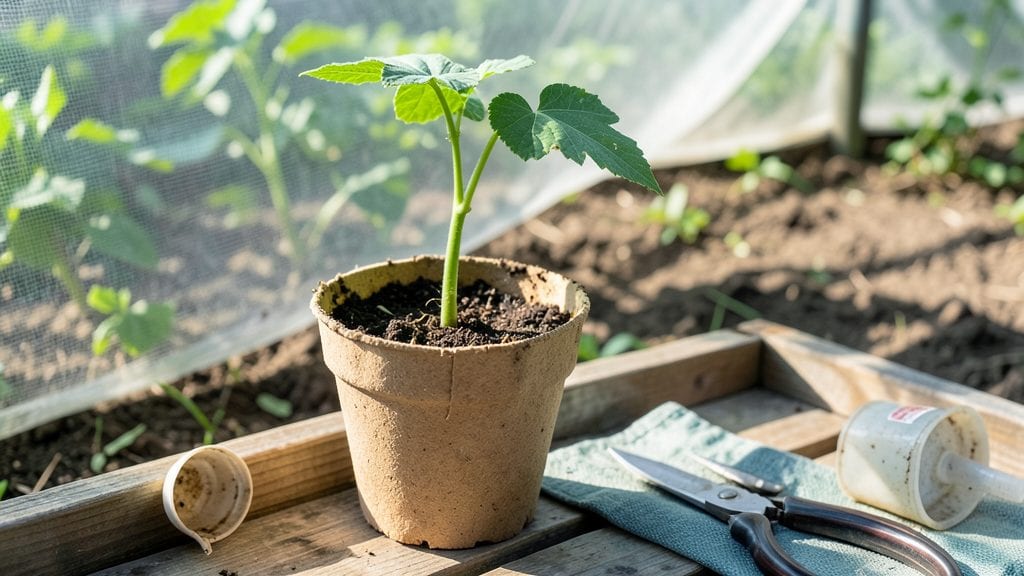
Fast-germination luffa gourd seedlings start with a damp paper towel and a warm spot—trust me, I’ve watched them pop up in just 3-4 days when done right. 🌱 The key isn’t fancy equipment but matching their tropical roots with cozy conditions: think 80°F soil and a humid start.
Most beginners wait too long, but luffas despise cold—plant them after your last frost when the ground warms to 70°F or higher. You’ll need a 3-inch-deep starter pot or peat pellets, lightweight potting mix, and a spray bottle for gentle watering. Avoid overwatering—luffa roots rot faster than they sprout.
Once the first true leaves appear, move them to a sunny windowsill or under grow lights for 12+ hours of light daily. Weak seedlings? Boost their light immediately—they’ll stretch like overcaffeinated teens without enough sun.
By week 3, you’ll have stocky, dark-green vines ready for transplanting, and the best part? These plants grow 10-15 feet in a season, turning your trellis into a jungle of lush, fast-growing foliage.
The secret to thriving vines isn’t just speed—it’s consistency in warmth, light, and patience during those first critical days. This works for both indoor starters and direct sowing in warm climates. Now, let’s get those seeds sprouting faster than you can say “sponge gourd.”
📚 In This Guide
- What you need
- Instructions
- Tips and common mistakes
- Wrapping up and next steps
What you need
- ● Luffa gourd seeds: 5–10 fresh, organic seeds (preferably heirloom or non-hybrid for best results). Pro tip: 💡 Soak seeds in warm water for 4–6 hours before planting to speed up germination!
- ● Seed-starting mix: 1–2 gallons of lightweight, sterile potting soil (avoid garden soil—it can harbor diseases). Look for a mix labeled "seed-starting" or "organic potting soil."
- ● Containers: 3–5 small pots (3–4 inches in diameter) or a seed tray with individual cells. Ensure they have drainage holes!
- ● Watering can or spray bottle: A gentle spray bottle helps avoid disturbing delicate seedlings.
- ● Grow lights or sunny windowsill: A full-spectrum LED grow light (12–16 hours/day) or a south-facing window with 6+ hours of sunlight.
- ● Plant labels: Small markers or popsicle sticks to label your seedlings (luffa gourds can look like other vines early on!).
- ○ Humidity dome or plastic wrap: Keeps moisture in while seeds germinate (optional but highly recommended for faster sprouting!).
- ● Fertilizer: A balanced, water-soluble fertilizer (5-5-5 or 10-10-10) for when seedlings develop their first true leaves.
- ● Twine or trellis: Lightweight twine or a small trellis (if you’re starting indoors and plan to transplant outdoors later).
- ○ Heat mat (optional): For cooler climates, a seedling heat mat (70–80°F) can boost germination speed.
- ● Warmth: Ideal germination temperature is 75–90°F. If your home is cooler, use a heat mat or place pots near a warm spot.
- ● Patience: Luffa seeds typically germinate in 7–14 days—consistency is key!
- ● Space: Luffa vines grow 10–20 feet long, so plan for a trellis or tall structure if growing outdoors.
Step-by-step instructions for growing luffa gourd seedlings
Skip the waiting game—these tricks get your luffa vines off to a flying start in record time.
🌱 Step 1: Soak Seeds Overnight for Faster Germination
Luffa seeds have tough outer shells that slow sprouting. Place 4 seeds in a small bowl and cover them with warm water (about 80°F) for 12 hours. This softens the seed coat so roots emerge quicker. You'll see tiny white roots peeking out—this is your green light to plant.
After soaking, drain the seeds and let them sit on a damp paper towel for 30 minutes to prevent them from drying out. This step cuts germination time nearly in half, getting you to seedlings in 3-5 days instead of a week or more.
🪴 Step 2: Plant in Warm, Well-Draining Soil
Fill a 6-inch diameter pot with moistened potting mix—luffas hate soggy roots, so mix in 20% perlite for extra drainage. Plant each seed 1 inch deep, spacing them 2 inches apart in the pot. Press the soil gently around the seeds to ensure good contact without compacting it.
Place the pot in a warm spot (ideally 75-85°F) where it gets bright, indirect light. A seedling heat mat underneath speeds up germination even more. Keep the soil consistently moist but not waterlogged—luffa seedlings drown easily if overwatered.
☀️ Step 3: Provide Humidity and Light for Rapid Growth
Cover the pot with a clear plastic dome or wrap it in plastic wrap to trap humidity. Luffa seedlings thrive in moist air, and this prevents the soil from drying out too quickly. Check daily for condensation—if the dome fogs up, you're doing it right.
Once sprouts appear (usually 3-5 days), remove the cover immediately. Place the seedlings under grow lights or in a south-facing window where they get 6+ hours of light daily. You'll notice leaves unfurling within 7-10 days—this is your cue to start fertilizing lightly with a balanced liquid fertilizer.
✂️ Step 4: Thin and Transplant When Ready
When seedlings reach 4 inches tall (about 2-3 weeks), thin to the strongest plant per pot. Gently snip the weaker stems at the base—don’t pull them, or you’ll disturb the roots of the remaining seedling. This reduces competition and gives your luffa more space to grow.
Transplant outdoors only after the last frost when soil temperatures are at least 70°F. Harden off seedlings by placing them outside for 1 hour daily over 5-7 days, gradually increasing their time in the sun. Plant in full sun with 12-inch spacing between vines for optimal growth.
Tips & tricks for perfect luffa gourd seedling growth
Fast germination is all about precision—these tricks ensure your luffa seeds sprout in record time without common pitfalls.
Soaking Secret: The 12-hour soak at 80°F is your fastest route to germination, but don't skip the 30-minute damp paper towel step afterward. I've seen seeds dry out completely after soaking if left uncovered—this prevents that. For extra speed, place the bowl of seeds in a warm spot (like your fridge's bottom shelf with the light on) to maintain that perfect 80°F temperature throughout the soak.
Heat Mat Hack: If your home stays below 75°F, invest in a seedling heat mat for Step 2. I've had luffa seeds take twice as long to sprout without it. Place your 6-inch pot directly on the mat after planting—just make sure the soil stays moist but not soggy. The ideal 75-85°F range speeds up root development by 30%, getting you to that 3-5 day sprout window faster.
Humidity Check: When covering your pot in Step 3, condensation on the plastic is your best friend—not just a sign of humidity, but proof you've created the perfect microclimate. I check daily and mist the inside of the dome if it stops fogging. This keeps the soil from drying out too quickly, which is especially important for luffa seedlings that hate soggy roots but need consistent moisture.
Light Transition: Once those sprouts appear in 3-5 days, don't rush to remove the cover—wait until you see actual leaves unfurling (around day 7-10). This gradual transition prevents shock. I move my seedlings to a south-facing window first, then under grow lights once they've acclimated. The key is 6+ hours of light daily, but don't blast them with direct sun immediately—it can scorch those tender new leaves.
Pro Tips for Luffa Gourd Seedling
- Fast germination is all about precision—these tricks ensure your luffa seeds sprout in record time without common pitfalls.
- Soaking Secret: The 12-hour soak at 80°F is your fastest route to germination, but don't skip the 30-minute damp paper towel step afterward.
- Heat Mat Hack: If your home stays below 75°F, invest in a seedling heat mat for Step 2.
Frequently asked questions
Got questions about luffa gourd seedlings?
You’re not alone! Here are answers to the most common queries—from germination to troubleshooting—to help you grow thriving vines with ease.
How long does it take for luffa gourd seedlings to germinate?
Luffa gourd seeds typically sprout within 7–14 days when planted in warm soil (70–90°F). For faster germination, soak seeds in warm water for 4–6 hours before planting. Keep the soil consistently moist but not soggy—patience pays off! Pro tip: Use a heat mat if your climate is cool.
Can I plant luffa gourd seedlings directly in the ground?
Yes! Luffa gourds thrive when planted directly outdoors after the last frost, once soil temperatures reach at least 60°F. Space seedlings 3–5 feet apart in full sun (6+ hours/day) for optimal growth. Avoid transplanting seedlings—they’re sensitive to root disturbance. Warning: Cold soil slows growth.
What should I do if my luffa seedlings look weak or yellow?
Weak or yellow seedlings often signal overwatering, poor drainage, or nutrient deficiency. Let the soil dry slightly between waterings and ensure pots/containers have drainage holes. Feed seedlings with a balanced fertilizer (10-10-10) every 2–3 weeks. Yellow leaves? Check for powdery mildew—spray with neem oil if needed. Fix it fast: Trim damaged leaves to redirect energy.
Are there fast-growing luffa gourd varieties for seedlings?
Opt for ‘Chinese Okra’ (short-season) or ‘Egyptian’ varieties—they germinate quickly (5–7 days) and mature faster (90–120 days). ‘Tiger Nut’ luffas are another great choice, offering thicker vines and higher yields. Always buy organic, non-GMO seeds for best results. Bonus: Start seeds indoors 2–3 weeks early in cooler zones.
What can I do if my luffa seedlings don’t germinate?
If seeds fail to sprout, they may be old, damaged, or planted too deep. Try these fixes:
- Test viability: Soak seeds in warm water—floating seeds are likely bad.
- Replant shallowly: Press seeds ½ inch deep in warm, moist soil.
- Use a seed starter: Mix seeds with sand or coconut coir for better aeration.
- Try a heat source: Place the tray on a sunny windowsill or under grow lights.
Still no luck? Order fresh seeds—germination rates drop after 1–2 years of storage. Last resort: Ask local gardeners for spare seeds!
Wrapping up and next steps
Growing luffa gourd seedlings with fast germination and thriving vines is totally within your reach—just follow the right tricks! With the right soil, warmth, and a little patience, you’ll soon be harvesting those unique, eco-friendly sponges (or delicious veggies!).
Whether you’re a seasoned gardener or just starting out, these tips make the process smoother and more rewarding.
Ready to take the next step? Start by planting your seeds this week—your future luffa harvest (and a sustainable sponge stash!) will thank you. Happy gardening! 🌱