
Propagation
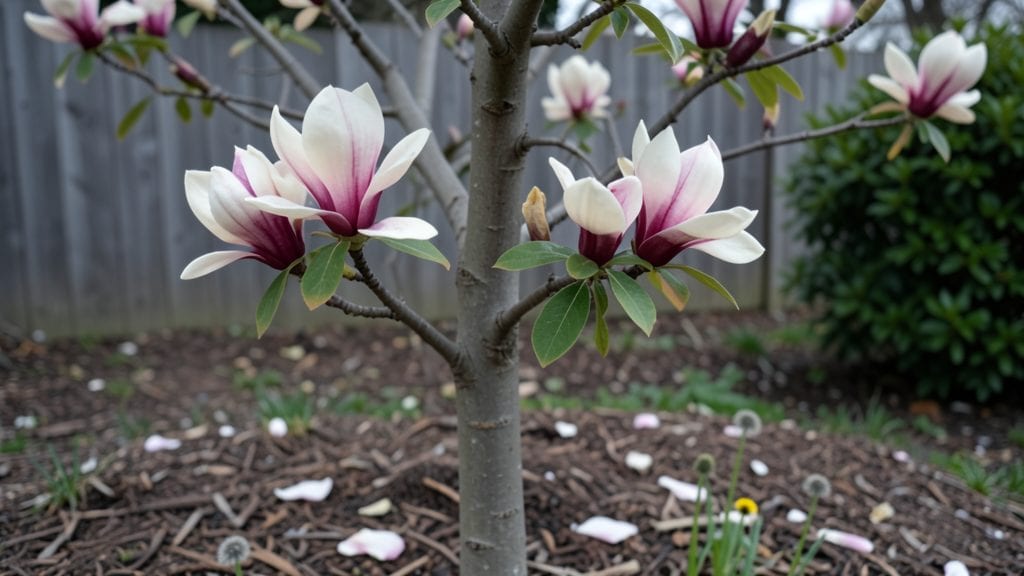
Growing Magnolia soulangeana seeds feels like planting a living promise—one that unfolds over years into a fragrant, evergreen privacy screen that outshines anything you’d buy at a nursery. ✨ I’ve watched these seeds sprout after months of patience, their glossy leaves unfolding into the iconic star-shaped blooms that make this magnolia a standout.
The real magic? By year three, you’ll have a lush, low-maintenance barrier that stays vibrant through winter, unlike flimsy fences or plastic screens.
Here’s the thing—this isn’t a quick fix. Those seeds demand time, but the payoff is worth it. You’ll need a cool, dark spot for stratification (think fridge, not heat), a well-draining soil mix, and a little daily attention during the first few weeks.
Most people rush germination, but magnolias reward those who slow down. The key is keeping soil consistently moist but never soggy, and protecting those delicate seedlings from harsh winds or direct sun until they’re sturdy enough to handle it.
By the time your magnolia reaches three years, you’ll have a 12-foot-tall privacy screen that blooms in early spring with creamy-pink flowers, stays green all winter, and requires less care than most annuals.
The leaves alone provide year-round coverage, and the fragrance? Unmatched. It’s the kind of garden feature that makes neighbors ask, “What’s that?”—and then stops by to admire it every season.
Now, I won’t sugarcoat it: seed-grown magnolias take longer to mature than cuttings or saplings. But if you’re in for the long game, this method gives you a true heirloom plant with deep roots and resilience.
Plus, you’ll save hundreds compared to buying mature trees. Ready to start? Let’s get those seeds prepped—the hardest part is waiting.
📚 In This Guide
- What you need
- Instructions
- Tips and common mistakes
- Wrapping up and next steps
What you need
- ● Magnolia soulangeana seeds: 10–20 fresh, viable seeds (purchased from a reputable supplier or harvested from a mature tree).
- ● Seed-starting mix: 2–3 gallons of a well-draining, sterile potting mix (look for a blend labeled for seedlings or woody plants).
- ● Growing containers: Small seed trays (3–4 inches deep) or
- ● Individual pots (4–6 inches in diameter) with drainage holes.
- ● Plastic wrap or humidity dome: To maintain moisture during germination.
- ● Spray bottle: For gentle watering (avoid over-saturating the soil).
- ● Grow lights or sunny windowsill: A south-facing window or a full-spectrum LED grow light (12–16 hours/day for seedlings).
- ○ Heat mat (optional but helpful): A seedling heat mat (70–75°F) to encourage faster germination.
- ● Fertilizer: A balanced, water-soluble fertilizer (5-5-5 or 10-10-10) for seedlings.
- ● Stratification tools: A refrigerator (for cold stratification) or a commercial stratification kit.
- ● pH test kit: To ensure your soil is slightly acidic (pH 5.5–6.5).
- ● Transplanting supplies: Larger pots (1–2 gallons) or garden space prepared with compost-rich soil.
- ● Mulch: Organic mulch (like pine bark) to retain moisture and regulate soil temperature.
- ● Pruning shears: For shaping young plants as they grow.
Step-by-Step guide to growing magnolia soulangeana from seeds
Here’s how to cultivate these stunning evergreen trees into a lush, year-round privacy screen.
🌱 Step 1: Extract and Stratify the Seeds
Magnolia Soulangeana seeds require cold stratification to break dormancy. Start by carefully removing the seeds from their fleshy pulp—rinse them under cool water to eliminate any remaining fruit residue. This step is critical because the pulp can harbor mold if left attached.
Place the cleaned seeds in a paper towel-lined container, lightly dampen them, and seal it inside a plastic bag. Store the bag in your refrigerator’s crisper drawer for 90-120 days. Check the seeds weekly—they should remain slightly moist but not soggy. If mold appears, discard the seeds and restart the process with fresh ones.
🌿 Step 2: Prepare the Planting Medium and Sow
After stratification, fill 4-inch pots with a well-draining mix of 50% peat moss and 50% perlite. This lightweight blend prevents root rot while retaining enough moisture for germination. Gently press the mix into the pots to eliminate air pockets but avoid compacting it too tightly.
Plant two seeds per pot, burying them ½ inch deep—any deeper delays germination. Label each pot with the planting date, as Soulangeana seedlings can take 3-6 months to emerge. Place the pots in a warm, shaded area (around 65-70°F) and keep the soil consistently moist but never waterlogged.
☀️ Step 3: Provide Optimal Light and Humidity
Once sprouts appear, move the seedlings to a bright, indirect light spot. Direct sunlight at this stage can scorch tender leaves, so a south-facing window with sheer curtains works best. If natural light is insufficient, supplement with a grow light positioned 6-8 inches above the seedlings for 12-14 hours daily.
Maintain high humidity by grouping pots together or placing them on a pebble tray filled with water. Mist the leaves lightly in the morning to prevent fungal issues. You’ll know humidity is ideal when condensation forms on the inside of the plastic wrap (if still covering) but no droplets remain on the soil surface.
🪴 Step 4: Transplant and Harden Off Seedlings
After 12-18 months, when seedlings reach 12-18 inches tall, transplant them into 5-gallon containers or their permanent outdoor location. Choose a site with partial shade to full sun—Soulangeana thrives in USDA Zones 4-9 but prefers protection from harsh afternoon sun in hotter climates.
Before moving outdoors, harden off the seedlings over 2-3 weeks. Begin by placing them outside for 1-2 hours daily in a sheltered spot, gradually increasing exposure. Watch for wilting or yellowing leaves—these are signs the transition is too abrupt. Once seedlings tolerate full outdoor conditions, plant them 10-12 feet apart for optimal growth.
⏰ Step 5: Maintain Growth for a Privacy Screen
Water deeply once weekly during the first growing season, ensuring the soil drains freely. Mulch around the base with 2-3 inches of organic mulch to retain moisture and suppress weeds. Fertilize lightly in early spring with a balanced, slow-release fertilizer—overfeeding can stunt growth or encourage weak stems.
Prune only to remove dead or crossing branches in late winter. Avoid heavy pruning, as Soulangeana responds poorly to aggressive trimming. With patience, these seedlings will mature into a 15-20 foot tall, evergreen screen within 3-5 years, offering year-round privacy with minimal upkeep.
Tips & tricks for growing magnolia soulangeana from seeds
Growing these majestic trees from seed isn't just rewarding—it's transformative when you know the right tricks to avoid common pitfalls. Here's what I've learned after helping countless gardeners bring their magnolia dreams to life.
Stratification Success: The 90-120 day cold stratification period in Step 1 is non-negotiable for breaking dormancy. I've found that placing the sealed bag in your fridge's crisper drawer (not the freezer!) maintains the ideal 35-40°F temperature without risking freezing. For visual confirmation, look for the seeds to plump slightly after 4-6 weeks—this signals they're ready to germinate. If you notice any fuzzy mold development during this period, discard those seeds immediately and restart with fresh ones.
Lighting Strategy: In Step 3, when you're setting up your grow light, position it just 6-8 inches above the seedlings and use a timer for the 12-14 hours of daily light. I recommend a full-spectrum LED grow light for best results—it mimics natural sunlight more effectively than standard bulbs. The key is to keep the light intensity consistent; seedlings will lean toward the light source if it's uneven, which can cause weak stems. Rotate the pots quarter-turn daily to ensure even growth.
Transplanting Timing: Waiting until your seedlings reach 12-18 inches tall in Step 4 ensures they have strong enough root systems to handle transplant shock. I've seen many gardeners rush this step and end up with stunted growth. When transplanting, water the pots thoroughly 24 hours beforehand to reduce transplant stress. The soil mix should be moist but not soggy—think of it as being damp like a wrung-out sponge. After transplanting, give the area a gentle watering to help settle the roots.
Hardening Off: The 2-3 week hardening off process in Step 4 is where most failures happen. I recommend starting with just 1 hour of outdoor exposure on day one, then gradually increasing by 30 minutes each subsequent day. Watch for subtle signs of stress like slightly curled leaves—these are early warnings before you see wilting. Place your seedlings in a sheltered spot that gets morning sun but afternoon shade during this period. This gradual approach builds resilience without shocking the plants.
Pro Tips for Magnolia Soulangeana Seeds
- Growing these majestic trees from seed isn't just rewarding—it's transformative when you know the right tricks to avoid common pitfalls.
- Stratification Success: The 90-120 day cold stratification period in Step 1 is non-negotiable for breaking dormancy.
- Lighting Strategy: In Step 3, when you're setting up your grow light, position it just 6-8 inches above the seedlings and use a timer for the 12-14 hours of daily light.
Frequently asked questions
How long does it take for Magnolia soulangeana seeds to germinate?
Patience is key! These seeds can take anywhere from 3 to 12 months to sprout, depending on temperature and moisture. Stratification (cold treatment) speeds things up—aim for 60–90 days in the fridge before planting. Keep soil consistently moist but not soggy during this time.
Can I grow Magnolia soulangeana from seeds indoors first?
Start seeds indoors in well-draining pots with a mix of peat and perlite. Use a heat mat (70–75°F) to encourage germination. Once seedlings hit 6–12 inches, transplant them outdoors after the last frost. Just know: M. soulangeana grows slowly—give it time!
Why aren’t my seeds sprouting after stratification?
Seeds might need more time, better conditions, or freshness. Check these fixes:
- Test viability: Cut open a seed—if it’s hard and white, it’s likely viable.
- Adjust moisture: Keep soil damp (like a wrung-out sponge).
- Warmth boost: Move pots to a sunny windowsill (65–75°F).
- Fungus risk: If mold appears, repot with fresh, sterile soil.
Are there faster-growing alternatives to Magnolia soulangeana seeds?
If you want quicker privacy, try these faster-growing options (but with less floral drama!):
- Leyland Cypress (× Cupressocyparis leylandii) – Grows 3–4 feet/year.
- Green Giant Arborvitae (Thuja standishii) – 2–3 feet/year.
- Bamboo (clumping types) – 5–10 feet/year (but invasive if not contained!).
Do I need to collect seeds from my own tree, or can I buy them?
You can buy seeds online (check specialty nurseries like Fast-Growing-Trees.com or Etsy for sellers), but freshness matters. Store-bought seeds may germinate slower. If sourcing locally, pick plump, dark seeds from ripe pink cones in late fall/winter. Avoid seeds from hybrid magnolias—they may not true-to-type!
Pro Tip: Label your seeds!
Seeds look identical, but germination rates vary by batch. Use toothpicks and masking tape to label pots with the collection date. Track progress in a journal—it’s oddly satisfying (and helpful!) to see tiny sprouts emerge months later.
Wrapping up and next steps
Growing Magnolia soulangeana from seeds is a rewarding journey that yields a stunning, low-maintenance privacy screen in just a few years!
With patience and the right care—like proper stratification and well-draining soil—you’ll enjoy vibrant blooms and lush foliage with minimal effort. Why wait? Start your seeds today and transform your outdoor space into a serene, ever-changing sanctuary.
🌱 Next step: Gather your supplies, follow the steps, and watch your Magnolia soulangeana thrive! Share your progress with fellow gardeners for extra motivation. Happy planting! 🌿