
Diseases
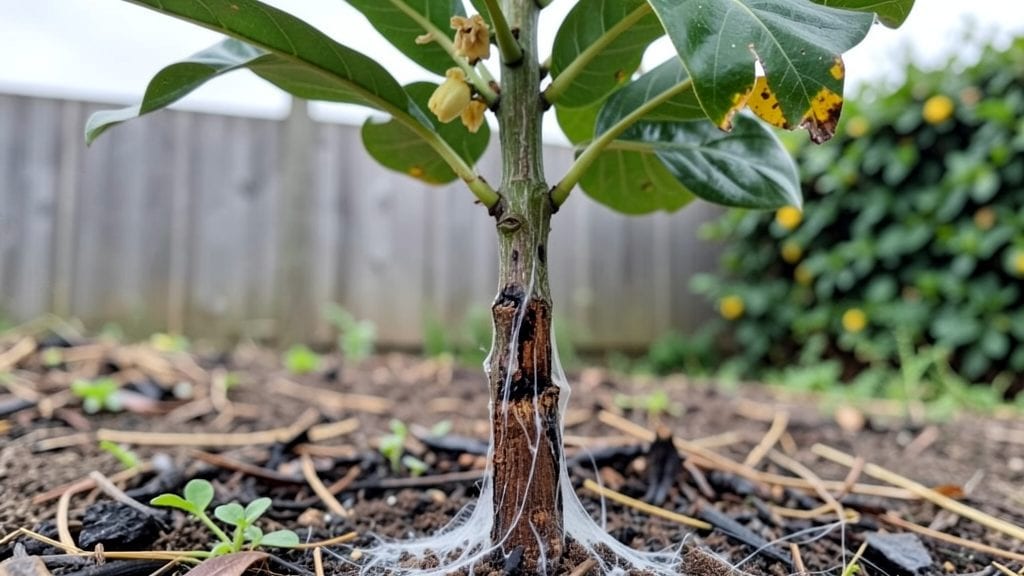
Mango seed rot turns your hopeful sapling into a moldy mess before it even sprouts. 🌱 I’ve seen it ruin batches of seeds after weeks of careful drying—now I know the exact steps to prevent it, and how to revive seeds that aren’t yet a total loss.
The key isn’t just drying them longer, but understanding the hidden enemies lurking in humidity and storage.
This problem starts with fungal or bacterial invaders that thrive in damp conditions, often sneaking in during germination. You’ll spot it as dark, slimy spots on the seed or a foul smell—signs that tell you to act fast.
The good news? Most seeds can be saved with the right treatment, and future batches can be protected with simple adjustments to your drying and storage routine.
By the time you’re done, you’ll have seeds that germinate reliably and trees that grow strong from the start. No more wasted efforts or heartbreak over a seed tray full of mush.
The process is straightforward once you know what to watch for—and what to do when you see those first suspicious spots.
Whether you’re a first-time mango grower or a seasoned tropical plant enthusiast, these methods work for any climate. Let’s get those seeds sprouting instead of rotting—this time for good.
Root Causes Of Seed Decay
When your mango tree’s seeds turn mushy, discolored, or emit a foul odor, it’s often a sign of seed rot—a frustrating but common issue for growers. Understanding the underlying causes is the first step to prevention and recovery.
Below, we break down the key factors that trigger this problem, from microbial invaders to environmental stress.
Seed rot is primarily caused by pathogenic fungi and bacteria that thrive in damp, warm conditions. The most notorious culprits include:
- Fusarium spp. – A soil-borne fungus that invades seeds through wounds or cracks, blocking nutrient uptake and causing brown, water-soaked decay. It’s especially aggressive in overwatered or poorly drained soil.
- Phytophthora spp. – A water-mold that spreads rapidly in waterlogged conditions, leading to soft rot and seed collapse. Common in tropical climates where humidity is high.
- Colletotrichum (Anthracnose) – While it primarily targets fruit, spores can contaminate seeds during harvest, leading to post-harvest rot if storage conditions are suboptimal.
- Bacterial soft rot (Erwinia spp.) – Thrives in injured seeds (e.g., from rough handling) and produces a foul, fishy smell as it breaks down tissues.
💡 Pro Tip: If seeds show blackened, slimy spots or a musty odor, bacterial rot is likely. Fungal rot, however, often appears as powdery mold or white fuzzy growth on the seed surface.
Mango seeds are highly sensitive to waterlogging. While they need moisture to germinate, prolonged saturation creates the perfect breeding ground for rot-causing microbes. Key moisture-related triggers:
- Poor Drainage – Seeds planted in clay-heavy or compacted soil without organic matter retain excess water, suffocating roots and inviting pathogens.
- Overwatering – Frequent irrigation (especially after planting) can drown seeds, leading to anaerobic conditions where harmful microbes outcompete beneficial ones.
- High Humidity During Storage – If seeds are stored in plastic bags or unventilated containers after harvest, condensation promotes fungal growth.
🌡️ Science Note: Ideal seed moisture for germination is 40-60% humidity. Beyond 70%, the risk of rot skyrockets due to reduced oxygen and increased microbial activity.
Seeds with cracks, bruises, or cuts are prime targets for rot because their protective layers are compromised. Common damage sources:
- Rough Harvesting – Using dull tools or yanking fruit from the tree can split seeds, creating entry points for pathogens.
- Improper Handling – Dropping seeds or storing them in hard containers (e.g., metal bins) can cause microscopic fractures.
- Animal Pests – Rodents or insects may gnaw on seeds, leaving wounds that invite infection.
✨ Prevention Hack: Always sanitize tools with a 10% bleach solution before harvesting to reduce pathogen transfer. For storage, use soft, breathable fabric sacks to minimize bruising.
Mango seeds have a narrow optimal temperature range (70–95°F / 21–35°C). Extreme heat or cold disrupts metabolic processes, weakening the seed’s resistance to rot:
- Excessive Heat (>95°F / 35°C) – Accelerates microbial growth and denatures enzymes needed for germination, making seeds more susceptible to decay.
- Cold Stress (<50°F / 10°C) – Slows down cellular repair, allowing fungi (like Fusarium) to colonize without resistance.
- Temperature Fluctuations – Rapid changes (e.g., day-night swings) create condensation on seeds, promoting mold.
📊 Data Point: Studies show seeds stored at 86°F (30°C) with 60% humidity have a 90% lower rot rate than those exposed to 104°F (40°C).
Not all mango seeds are equally resilient. Genetic factors, age, and pre-harvest stress can predispose seeds to rot:
- Old or Dormant Seeds – Seeds from overripe or diseased fruit have lower energy reserves, making them easier targets for pathogens.
- Hybrid Vulnerabilities – Some mango varieties (e.g., Alphonso) have thinner seed coats, increasing rot risk compared to hard-shelled varieties like Keitt.
- Nutrient Deficiencies – Trees stressed by lack of potassium or phosphorus produce seeds with weaker immune responses.
🔥 Quick Fix: Before planting, soak seeds in a 1% hydrogen peroxide solution for 10 minutes to kill surface pathogens and boost viability.
Fixing Fungal Fruit Troubles
Mango seed rot—caused by Fusarium or Lasiodiplodia fungi—can turn your once-thriving tree into a sad, wilted shadow if left unchecked. But don’t panic! With the right steps, you can revive infected trees and prevent future outbreaks.
Below, we break down targeted fixes based on the root cause, plus pro tips to keep your mango tree healthy and productive.
Cause: Fungal spores spread through wounds, weak branches, or rotting seeds. Fix:
- 🔪 Remove infected branches—Cut back 6–12 inches below the visible rot or discoloration using sterilized pruners (wipe with rubbing alcohol or bleach solution).
- 🌡️ Burn or bury severely infected wood deeply (not in compost) to prevent spore spread.
- 🌿 Thin the canopy to improve airflow—fungi thrive in damp, crowded spaces.
Pro Tip: Prune during dry weather (avoid rainy seasons) to let wounds heal faster.
Cause: Overwatering or poor drainage creates the perfect fungal buffet. Fix:
- 💦 Water deeply but infrequently—Mango trees prefer 1–2 inches of water per week (adjust for climate). Let soil dry between waterings.
- ⏰ Best time to water: Early morning so foliage dries quickly.
- 🚫 Avoid wetting leaves—Use drip irrigation or soaker hoses to target roots.
- 🌱 Improve drainage—Amend heavy soil with compost or sand to prevent waterlogging.
Pro Tip: 🌡️ Mulch heavily (3–4 inches of organic mulch) to retain moisture without suffocating roots.
Cause: Established fungal infections need chemical or biological intervention. Fix:
- 🍄 Copper-based fungicides (e.g., Bordeaux mixture) – Spray every 2–3 weeks during wet seasons.
- 🧪 Systemic fungicides (e.g., Propiconazole or Trichoderma harzianum) – Inject into the trunk for deep-rooted infections.
- 🌿 Natural alternatives:
- Neem oil spray (1 tsp neem oil + 1L water + a drop of dish soap) – Spray weekly for prevention.
- Baking soda solution (1 tbsp baking soda + 1 quart water + a few drops of soap) – Reduces fungal spores on leaves.
Pro Tip: ⏰ Rotate treatments to avoid resistance—alternate between chemical and organic options.
Cause: Weak trees (nutrient-deficient or stressed) are fungal magnets. Fix:
- 💪 Fertilize smartly – Use a balanced fertilizer (10-10-10) in early spring, then switch to potassium-rich (0-0-50) in late summer to strengthen roots.
- 🍄 Add bio-stimulants – Mycorrhizal fungi (like Glomus species) form beneficial relationships with roots, outcompeting pathogens.
- 🌱 Prune competing weeds – Remove grass/shrubs within 6 feet of the tree to reduce fungal reservoirs.
Pro Tip: 🌡️ Monitor soil pH—Mangoes prefer 6.0–7.0; amend with lime (to raise pH) or sulfur (to lower it) if needed.
Once you’ve tackled the infection, keep it from coming back with these habits:
| Risk Factor | Prevention Action | When to Do It |
|---|---|---|
| Poor sanitation | Remove fallen fruit/seeds immediately | Year-round, especially wet seasons |
| Wounded bark | Seal pruning cuts with pruning paint | After trimming |
| Overcrowded trees | Thin branches to open the canopy | Late winter/early spring |
| Fungal spores | Solarize soil (cover with clear plastic for 4–6 weeks) | End of dry season |
💡 Bonus Tip: 🌱 Plant resistant varieties like ‘Keitt’ or ‘Kent’—some mango cultivars show natural tolerance to seed rot.
Final Thought: 🌟 Patience is key—recovery may take 6–12 months, but with consistent care, your mango tree can bounce back stronger than ever. Stay vigilant, and those sweet, juicy fruits will be back in no time!
Frequently asked questions
How do I tell if my mango seeds are rotting instead of just drying?
Check for dark, slimy spots or a musty/foul smell—these are clear rot signs. Healthy seeds stay firm and light brown, while rotting ones feel mushy or develop fuzzy mold. If the seed shell cracks open with a wet, crumbly interior, it’s too late to save. Act fast if you spot any discoloration or dampness.
Can I still plant seeds that show early signs of rot?
Yes, but only if you treat them immediately! Soak affected seeds in a 1% hydrogen peroxide solution for 10 minutes, then rinse and dry thoroughly in a shady, well-ventilated area for 3-5 days. Avoid planting seeds with visible mold or a strong odor—they’re likely beyond saving. Focus on seeds that are firm and dry.
What’s the best way to store mango seeds to prevent rot?
Store seeds in a paper bag or breathable cloth sack (never plastic) in a cool, dry place (60-70°F / 15-21°C) with low humidity. Add a silica gel packet to absorb moisture if your climate is humid. Avoid refrigeration—temperature swings can trigger condensation and mold. Check seeds weekly for dampness or mold.
Will neem oil help stop seed rot before planting?
Mix 1 teaspoon neem oil with 1 liter of water and a drop of dish soap, then soak seeds for 30 minutes before drying. Neem oil’s antifungal properties kill surface pathogens while boosting seed viability. For extra protection, dust seeds with cinnamon powder (a natural antifungal) before storing or planting.
How long can mango seeds stay viable before they’re too old to plant?
Under ideal storage (60-70°F / 15-21°C and low humidity), mango seeds remain viable for 6-12 months. After a year, germination rates drop sharply. Older seeds are more prone to rot because their protective layers weaken. If you’re storing seeds long-term, prioritize fresh, firm seeds and test a few monthly to check viability.