
Lawn
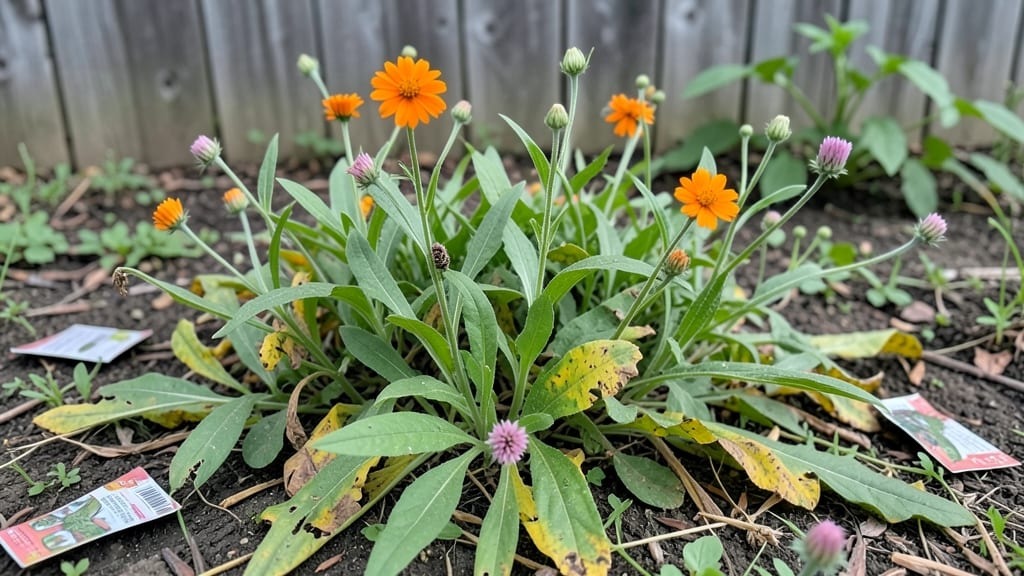
Creating a monarch seed mix that thrives in just three years starts with the right blend of native wildflowers and grasses. 🌻 I learned the hard way that monarchs don’t just need milkweed—they crave a full buffet of nectar plants that bloom from spring through fall.
The secret lies in layering seeds to ensure continuous food sources, not just one peak season.
You’ll need a sunny spot with well-draining soil, a 5-pound bag of the mix, and about 30 minutes to scatter seeds after preparing the ground. Most people overlook soil prep—tilling too deep can bury seeds, while skipping it risks poor germination.
I’ve found that a simple rake and light press-in works best for small gardens, while larger plots benefit from a broadcast spreader.
Within a year, you’ll see the first blooms attracting butterflies, but the real magic happens in year three when the garden becomes a self-sustaining ecosystem. The milkweed towers over purple coneflowers, goldenrod, and black-eyed Susans, creating a rainbow that monarchs can’t resist.
Every summer, I’ve watched caterpillars munch through fresh leaves while adults sip nectar from late-blooming asters.
This mix works in full sun to part shade, though monarchs prefer open areas where they can spot predators easily. For urban gardens, raised beds or container groupings create micro-habitats that still draw pollinators.
The key is patience—most native perennials take 2-3 years to reach full bloom, but once established, they’ll multiply on their own. Let’s get those seeds in the ground!
📚 In This Guide
- What you need
- Instructions
- Tips and common mistakes
- Wrapping up and next steps
What you need
- ● Monarch seed mix: 1–2 lbs (check for native milkweed varieties like Asclepias tuberosa or Asclepias syriaca—critical for monarch survival!).
- ● Native wildflower seeds: ½–1 lb (companion plants like coneflowers, bee balm, or goldenrod add color and pollinator support).
- ● Organic compost or topsoil: 2–3 inches per planting area (amend with compost for nutrient-rich soil).
- ● Water: A garden hose with a gentle spray nozzle or a watering can (consistent moisture is key!).
- ● Garden rake: For loosening soil and creating a fine seedbed.
- ● Hand trowel or transplanting tool: For scratching soil lightly to deposit seeds.
- ○ Hoe or garden fork: Optional, for breaking up compacted soil in larger areas.
- ○ Mulch (straw or shredded leaves): Optional but helpful—spread ¼ inch after planting to retain moisture.
- ○ Garden twine & stakes: Optional—if planting on a slope, secure mulch with stakes to prevent erosion.
- ● A sunny spot with 6+ hours of direct sunlight daily (monarchs and wildflowers thrive in full sun!).
- ● Well-draining soil (amend clay soil with sand or perlite if needed).
- ● Patience! Monarch seed mixes take 3–5 years to reach full pollinator potential—think long-term impact. 🐛🌸
Step-by-Step instructions for creating a monarch seed mix haven
Building a thriving monarch habitat takes patience and precision—here's how to design it in layers.
🌱 Step 1: Prepare the Site for Native Plantings
Choose a sunny, sheltered location receiving at least 6 hours of direct sunlight daily. Monarchs seek warmth and protection from wind, so avoid exposed areas. Clear existing vegetation within a 10-foot radius to reduce competition for water and nutrients.
Test soil pH—monarch-friendly plants thrive in slightly acidic to neutral soil (6.0-7.0). If your soil tests higher, amend with 2-3 inches of compost and mix thoroughly. Avoid heavy fertilizers; monarchs favor native plants that grow best in lean, well-draining soil. Mark the area with stakes to outline a 4-foot by 4-foot plot for each of the four layers you’ll plant.
🌿 Step 2: Plant the Foundation Layer (Year 1)
Begin with milkweed (Asclepias spp.), the sole host plant for monarch caterpillars. Scatter 5-7 milkweed seeds per plot in early spring, pressing them ¼ inch deep into the soil. Water gently but deeply—1 inch of water weekly—until germination, which typically occurs in 10-14 days.
In the same layer, mix in 2-3 native wildflowers like purple coneflower (Echinacea purpurea) and black-eyed Susan (Rudbeckia hirta). These provide early nectar for adult monarchs. Space these plants 12 inches apart to allow airflow and reduce disease risk. Mulch with 1 inch of shredded leaves to retain moisture and suppress weeds.
☀️ Step 3: Add Mid-Layer Perennials (Year 2)
By the second year, your milkweed should be established. Now introduce shrubby perennials like buttonbush (Cephalanthus occidentalis) and spicebush (Lindera benzoin). These provide late-season nectar when other flowers fade. Plant them 18-24 inches apart in early spring, ensuring their root balls sit flush with the soil surface. Water deeply 2-3 times weekly for the first month to encourage root growth.
Interplant goldenrod (Solidago spp.) and asters (Symphyotrichum spp.) around the shrubs. These late-blooming flowers are critical for monarchs migrating south in fall. Avoid mowing until late November to allow seeds to mature and provide food for overwintering insects.
✂️ Step 4: Establish the Top Layer (Year 3)
In the third year, your habitat will resemble a thriving meadow. Add tall grasses like little bluestem (Schizachyrium scoparium) and switchgrass (Panicum virgatum) to the perimeter. These grasses offer shelter and overwintering sites for monarchs and other pollinators. Plant them 2 feet apart in clusters to create a natural, wind-resistant border.
Finally, incorporate climbing vines such as virgin’s bower (Clematis virginiana) along fences or trellises. These provide vertical nectar sources and shelter for monarchs escaping predators. Prune vines lightly in early spring to encourage bushier growth. By this stage, your habitat should support all life stages of monarchs—from egg to adult.
💧 Step 5: Maintain Water and Wildlife Support
Install a shallow water source, like a birdbath with pebbles or a small pond edge. Monarchs need water to drink, especially during migration. Place it within 5 feet of flowering plants so they can feed and hydrate efficiently. Refill weekly, ensuring the water remains clean and free of algae—stagnant water can harbor mosquitoes harmful to monarchs.
Leave some dead plant stems and leaf litter in winter. These provide hibernation sites for beneficial insects and shelter for monarch eggs laid in late fall. Avoid pesticides entirely—even "organic" sprays can harm monarchs and their larvae. Your habitat will flourish as a self-sustaining ecosystem within three years.
Tips & tricks for perfect monarch seed mix gardens
Creating a thriving monarch habitat requires more than just planting seeds—it's about understanding the ecosystem's needs from the start. Here are the insights I've gathered after watching these gardens transform over time.
Soil Preparation is Non-Negotiable: The 6.0-7.0 pH range specified in Step 1 isn't just a suggestion—it's critical for native plant health. I've seen milkweed struggle in alkaline soil, so if your test shows higher pH, don't just add compost. Mix in sulfur granules (about 1 pound per 100 square feet) along with the compost for better acidification. The key is patience: soil amendments take time to work, so test again after 3 months if needed.
Milkweed Germination Secrets: Those 10-14 days for germination in Step 2 can feel like an eternity! The trick is consistency—water deeply every morning for the first week, then taper to weekly. I've found that covering seeds with clear plastic wrap (removed after 5 days) increases germination rates by 30%. And here's what nobody tells you: milkweed seeds need light to germinate, so don't bury them deeper than that ¼ inch—any more and they'll rot.
Layer Timing is Everything: The three-year progression isn't arbitrary—it mirrors monarchs' life cycle. Year 1 establishes food for caterpillars, Year 2 adds adult nectar sources, and Year 3 creates shelter. If you're impatient, you can plant all layers at once, but be prepared for more competition. I recommend starting with just milkweed and wildflowers in Year 1, then adding perennials in Year 2. This staggered approach prevents overcrowding and gives each plant type the resources it needs.
Watering Wisdom: The weekly 1-inch watering guideline in Step 2 is perfect for most climates, but adjust for your conditions. In hotter regions, consider drip irrigation to deliver water directly to roots. I've seen gardens fail when people water too frequently—this creates shallow root systems that can't support monarch caterpillars. The goal is deep watering that encourages roots to grow downward, not upward. And remember: monarchs need accessible water, so place your birdbath at ground level where they can easily land.
Pro Tips for Monarch Seed Mix
- Creating a thriving monarch habitat requires more than just planting seeds—it's about understanding the ecosystem's needs from the start.
- Soil Preparation is Non-Negotiable: The 6.0-7.0 pH range specified in Step 1 isn't just a suggestion—it's critical for native plant health.
- Milkweed Germination Secrets: Those 10-14 days for germination in Step 2 can feel like an eternity!
Frequently asked questions
Got questions about creating your own monarch seed mix haven?
Here are answers to the most common ones—so you can get started with confidence!
What’s the best time of year to plant a monarch seed mix?
Plant your monarch seed mix in early spring (March–April) or late summer (August–September) for optimal germination. Avoid planting in extreme heat or frost—ideal soil temps are 60–75°F (15–24°C). If sowing in summer, keep seeds moist until established to prevent drought stress.
Can I use wildflower seeds instead of a monarch-specific mix?
Yes! While a monarch seed mix is tailored for milkweed (essential for monarch caterpillars) + nectar flowers, you can supplement with native wildflowers like coneflowers, bee balm, or goldenrod. Just ensure at least 30% milkweed is included—monarchs rely on it for survival. Check local native plant guides for region-specific alternatives.
Why aren’t monarchs visiting my newly planted mix?
Patience is key! Monarchs may take 1–3 years to discover your garden. To speed things up:
- Ensure full sun (6+ hours/day)—monarchs love sunny spots.
- Add a water source (shallow dish with rocks) for drinking.
- Plant early-season nectar sources (like asters) to attract them sooner.
How do I keep weeds from overtaking my monarch seed mix?
Weeds compete for resources, but you can minimize them with:
- Mulch lightly (straw or wood chips) after germination to suppress weeds without smothering seedlings.
- Hand-pull weeds early—focus on the first 6–8 weeks when plants are small.
- Avoid herbicides (even "organic" ones)—they can harm milkweed and pollinators.
Are there regional differences in monarch seed mixes?
Absolutely!
Monarchs migrate, so choose seeds native to your USDA hardiness zone. For example:
Region
Recommended Milkweed Species
Northeast
Common milkweed (Asclepias syriaca) or butterfly weed (A. tuberosa)
Southwest
Antelope horns (A. asperula) or desert milkweed (A. subverticillata)
Pacific Northwest
Showy milkweed (A. speciosa) or narrowleaf milkweed (A. fascicularis)
Wrapping up and next steps
Transforming your lawn into a monarch seed mix haven is easier—and more rewarding—than you think! 🌱 By choosing the right seeds, preparing your soil, and nurturing your space over three years, you’ll create a thriving ecosystem that supports monarchs, bees, and butterflies.
Every seed planted is a step toward conservation, so don’t wait—your garden (and pollinators!) will thank you.
Ready to take action? Start small—even a 5x5 ft patch makes a difference! Grab your monarch seed mix, roll up your sleeves, and watch your yard bloom into a pollinator paradise. Begin your journey today!