
Fertilization
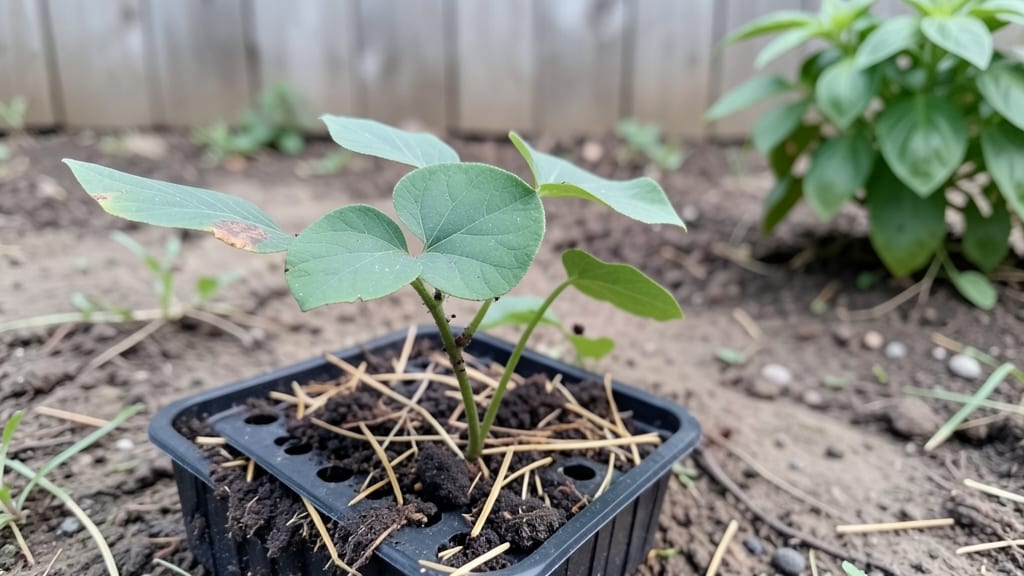
Growing monk fruit seedlings from seed is like nurturing a tiny treasure chest of natural sweetness—though it takes patience, especially if you're used to fast-growing plants. 🌱 The key is mimicking its tropical roots: warm soil, bright light, and consistent moisture without drowning the roots.
My first attempt nearly gave up after three months of slow growth, but once I adjusted the watering and moved it to a sunnier spot, those deep green leaves started reaching for the sky.
You’ll need well-draining soil with a mix of compost to keep nutrients flowing, since monk fruit plants are heavy feeders once established. A small pot (5-7 gallons) works for seedlings, but they’ll outgrow it fast—think of it as temporary housing.
The real magic happens in zones 8-11, where temperatures stay above 60°F year-round, but container gardening lets you try it almost anywhere with a sunny windowsill or greenhouse.
By harvest time, you’ll be rewarded with clusters of small, round fruits that taste like honey without the calories. The plants themselves grow into bushy, drought-tolerant shrubs, perfect for warm climates or as a novelty in cooler areas.
Just be patient—it can take 2-3 years for the first fruits to appear, but the wait is worth it for that first taste of homegrown sweetness.
Common pitfalls include overwatering (root rot is a silent killer) and underestimating how much light these plants crave. If growth stalls, check for pests like spider mites or aphids—neem oil works wonders for keeping them at bay.
Once you’ve got the rhythm, monk fruit is one of the most rewarding plants to grow, blending gardening and gourmet sweetness in a single bush.
📚 In This Guide
- What you need
- Instructions
- Tips and common mistakes
- Wrapping up and next steps
What you need
- ● Monk fruit seeds: 5–10 seeds (fresh or stored properly; avoid dried seeds from sweetener packets—they’re non-viable).
- ● Seed-starting mix: 1–2 gallons of sterile, well-draining potting soil (look for a blend labeled "seed starting" or "cactus/succulent mix").
- ● Containers: Small pots (3–4 inches deep) for germination, or
- ● Biodegradable peat pots (to avoid transplant shock later).
- ● Grow lights or sunny windowsill: A full-spectrum LED grow light (12–16 hours/day) or a south-facing window with direct sunlight (6+ hours/day).
- ● Spray bottle: For gentle watering (avoid over-saturating seeds!).
- ● Humidity dome or plastic wrap: To create a mini greenhouse effect during germination.
- ○ Fertilizer (optional but helpful): A balanced liquid fertilizer (5-5-5 or 10-10-10) diluted to half-strength for seedlings.
- ● OR a slow-release granular fertilizer mixed into the soil at planting.
- ● Pruning shears or scissors: For trimming (once seedlings mature).
- ● Heating mat: Speeds up germination (ideal for slow starters; set to 75–85°F).
- ● pH test kit: Monk fruit thrives in slightly acidic soil (pH 6.0–6.5).
- ● Compost or worm castings: Boosts soil fertility for faster growth.
- ● Trellis or stakes: Supports vines as the plant matures (monk fruit is a perennial vine).
- ● Journal/notebook: Track seedling progress, watering schedules, and growth milestones!
Step-by-Step instructions for growing monk fruit seedlings
Here's how to grow these rare sweetener plants from seed with confidence.
🌱 Step 1: Prepare the Soil and Plant Seeds
Monk fruit thrives in well-draining soil, so start with a mix of 50% potting soil and 50% perlite or coarse sand. Fill your seed trays or small pots to within ½ inch of the rim, leaving room for seeds. The soil should feel like a damp sponge—not soggy, but with moisture evenly distributed.
Scatter the monk fruit seeds on the surface—don't bury them. They need light to germinate, so press them gently into the soil just enough to keep them in place. A light misting with water is all they need to start. Cover the tray with plastic wrap to retain humidity, but leave it slightly ajar for airflow. This creates a mini greenhouse effect that speeds up germination.
💧 Step 2: Maintain Warmth and Moisture for Germination
Place the trays in a warm spot, ideally between 75-85°F. A seedling heat mat works wonders here, especially if your home runs cooler. Check the soil daily—it should stay consistently moist but never waterlogged. Overwatering at this stage can cause seeds to rot before they sprout.
Germination can take 3-6 weeks, so patience is key. You'll know it's working when tiny green shoots push through the soil. Once you see the first signs of growth, remove the plastic wrap immediately to prevent fungal issues. Keep the seedlings in bright, indirect light until they develop their first true leaves.
☀️ Step 3: Provide Adequate Light and Transplant
Monk fruit seedlings need bright, indirect light for the first few weeks. A south-facing window or a grow light placed 6 inches above the plants works well. If you notice the seedlings stretching toward the light or looking pale, they need more intensity. Leggy growth is a red flag—adjust the light source immediately to prevent weak stems.
When seedlings have 3-4 true leaves (not just the initial cotyledons), it's time to transplant them into individual pots. Use a mix of 60% potting soil and 40% perlite to keep roots aerated. Handle the seedlings gently—monk fruit is delicate at this stage. Water lightly after transplanting to help them settle into their new home.
🌿 Step 4: Care for Young Plants and Encourage Growth
Once transplanted, keep the soil consistently moist but not soggy. Monk fruit prefers slightly dry conditions over soggy roots, so let the top 1 inch of soil dry out between waterings. Fertilize lightly every 4-6 weeks with a balanced, water-soluble fertilizer diluted to half strength. Over-fertilizing can burn young roots, so less is more here.
As the plants grow, rotate them occasionally to ensure even light exposure. This prevents them from leaning or growing lopsided. You'll start seeing real progress when new leaves emerge with a deeper green color. At this stage, watch for pests like aphids—if you spot any, treat them immediately with neem oil or insecticidal soap to protect your seedlings.
⏰ Step 5: Prepare for Long-Term Growth and Harvest
Monk fruit takes 3-5 years to mature, so plan for patience. Once established, move plants to a larger container or garden bed with full sun exposure. They thrive in USDA zones 10-11, so if you live in a cooler climate, grow them in containers you can bring indoors during winter.
Harvesting comes when the fruit turns a deep purple-black color and feels slightly soft to the touch. The sweetness inside is concentrated, so a little goes a long way. Store fresh fruit in the fridge for up to 2 weeks or dry it for long-term use. With proper care, your monk fruit plants will reward you with sweet harvests for years to come.
Tips & tricks for growing monk fruit seedlings
Between us, growing monk fruit from seed is one of those rewarding projects where patience pays off big time. Here's what I've learned to make sure your seedlings thrive from the very beginning.
Soil Mix Matters: That 50-50 mix of potting soil and perlite in Step 1 is crucial—it's all about drainage. I've seen seeds rot when people skip the perlite and use regular garden soil. If you don't have perlite, coarse sand works too, but avoid anything that compacts easily. The soil should crumble when you squeeze it; if it holds together, add more perlite.
Germination Temperature Secret: The 75-85°F range in Step 2 is non-negotiable for speedy germination. If your home runs cooler, invest in a seedling heat mat—it's the difference between seeds sprouting in 3 weeks versus 6. I keep mine on a heat mat at 80°F and see sprouts in about 21 days. Pro tip: Place your trays on top of the fridge if you don't have a heat mat—they generate warmth!
Lighting Upgrade: When your seedlings get those first true leaves in Step 3, don't skimp on light. I've had plants stretch like they're reaching for the heavens when they don't get enough. If you're using a grow light, 12-14 hours of light daily mimics natural conditions perfectly. For windowsill growers, rotate your trays daily so all sides get equal light—this prevents lopsided growth.
Transplanting Technique: In Step 3 when you're transplanting to individual pots, handle those seedlings like they're made of glass—they are! Use a small spoon or butter knife to gently lift them by the soil, not the stems. I've lost count of seedlings I've accidentally snapped trying to pull them out. And here's a bonus: After transplanting, give them a light spray of water to reduce transplant shock and help them settle in faster.
Pro Tips for Monk Fruit Seedling
- Between us, growing monk fruit from seed is one of those rewarding projects where patience pays off big time.
- Soil Mix Matters: That 50-50 mix of potting soil and perlite in Step 1 is crucial—it's all about drainage.
- Germination Temperature Secret: The 75-85°F range in Step 2 is non-negotiable for speedy germination.
Frequently asked questions
Got questions about growing monk fruit seedlings?
You’re not alone! Here are answers to the most common queries to help you nurture your sweetener plant from seed to harvest.
How long does it take for monk fruit seedlings to germinate?
Monk fruit seeds can take anywhere from 14 to 60 days to sprout, depending on temperature and moisture. Keep the soil consistently warm (70–85°F) and damp—patience is key! If germination takes longer than 2 months, the seeds may need stratification (a cold treatment) to break dormancy.
When should I transplant my monk fruit seedlings outdoors?
Wait until after the last frost and soil temperatures reach at least 60°F. Monk fruit thrives in warm climates (USDA Zones 7–11), so avoid transplanting too early. Harden off seedlings by gradually exposing them to outdoor conditions for 1–2 weeks before moving them to their permanent spot.
How often should I water monk fruit seedlings?
Keep the soil consistently moist but not soggy, especially during germination. Once established, water deeply 1–2 times per week, allowing the top inch of soil to dry between waterings. Overwatering can lead to root rot—drainage is critical!
Can I grow monk fruit from store-bought sweetener?
No—store-bought monk fruit extract is highly processed and won’t sprout. You’ll need fresh, organic monk fruit seeds (often sold online or at specialty nurseries). Save seeds from ripe fruit if you’re growing your own plants.
Why are my monk fruit seedlings turning yellow or wilting?
Yellowing leaves often signal overwatering or nutrient deficiency, while wilting can mean underwatering or heat stress. Check soil moisture and ensure proper drainage. If leaves curl, it may be a pest issue—inspect for aphids or spider mites and treat with neem oil if needed.
Still stumped? Drop your specific concern in the comments—we’re happy to help troubleshoot!
Wrapping up and next steps
Growing your own monk fruit seedling from seed to harvest is a rewarding journey that combines patience, care, and a touch of sweet success! 🌱 By following the right fertilization techniques and maintaining optimal conditions, you’ll be well on your way to cultivating this unique and valuable plant.
Now that you’re armed with the knowledge, it’s time to roll up your sleeves and give it a try—your future harvest of natural sweetener awaits!
Next step: Start with healthy seeds, prepare your growing space, and monitor progress closely. Happy gardening!