
Pests
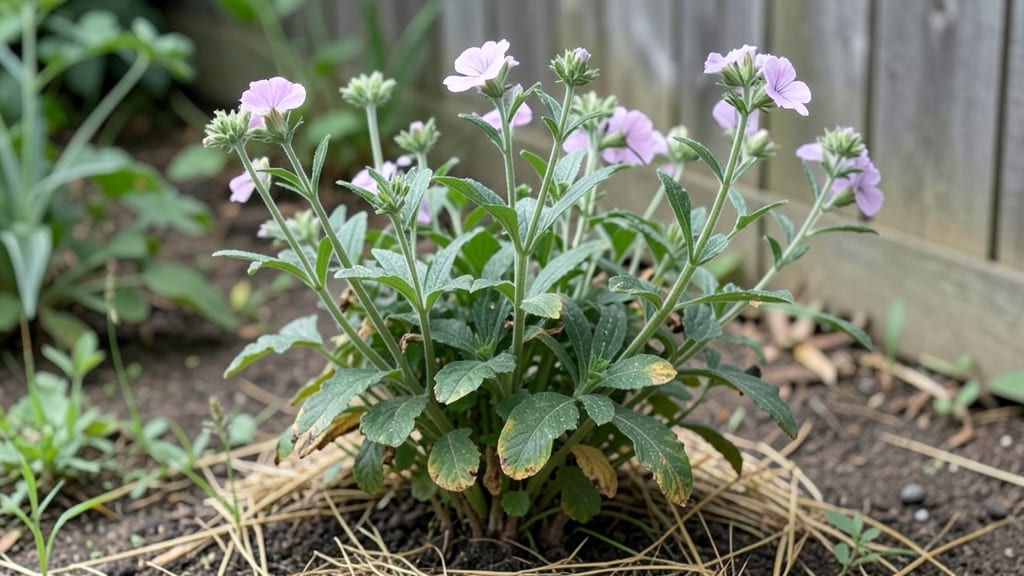
Growing mosquito plant seeds is the secret weapon I wish I'd known about years ago—those tiny seeds turn into lush, fragrant plants that keep mosquitoes and other pests away all summer long. 🌿 The best part?
You can start them indoors in early spring and have them thriving outdoors by late May, giving you three full months of natural protection before the first frost.
These plants love bright, indirect light and well-draining soil, but they're surprisingly easy to grow even if you've killed houseplants before. Start with a seed tray or small pots, keep the soil lightly moist, and place them near a sunny window or under a grow light.
Once they're about 4 inches tall, transplant them outside after the last frost—your garden will thank you.
By midsummer, you'll have vibrant, bushy plants that smell amazing and repel mosquitoes naturally. The foliage stays lush and aromatic, and you can even dry some leaves to use in sachets for winter pest control. Plus, they attract beneficial insects like ladybugs, which help keep your garden balanced.
Works beautifully in containers, garden beds, or even hanging baskets near patios. The key is consistency—keep the soil moist but not soggy, and watch those pests disappear. Ready to try it?
📚 In This Guide
- What you need
- Instructions
- Tips and common mistakes
- Wrapping up and next steps
What you need
- ● Mosquito plant seeds (Culcita palmata or Dysphania ambrosioides) – Start with 10–20 seeds (enough for small pots or direct sowing). Choose organic, non-GMO seeds for best results.
- ● Seed-starting trays or small pots (3–4 inches deep) – 4–6 trays/pots (one per seed or cluster). Ensure they have drainage holes!
- ● High-quality potting soil – 1–2 bags (well-draining, peat-free mix recommended). Avoid garden soil—it can harbor pests.
- ● Watering can or spray bottle – A gentle misting function helps avoid disturbing seeds.
- ○ Clear plastic wrap or humidity dome – Keeps moisture in while seeds germinate (optional but highly recommended).
- ● Sunlight – A south-facing window or grow light (6+ hours of indirect light daily). Mosquito plants thrive in full sun once established.
- ● Warmth – Ideal germination temp: 70–75°F (21–24°C). Use a seedling heat mat if your home runs cooler.
- ● Outdoor space – A garden bed, container, or balcony (minimum 12-inch diameter per plant for airflow). Mosquito plants need room to spread!
- ● Fertilizer – Balanced liquid fertilizer (5-5-5) (diluted to half-strength) for faster growth.
- ● Compost or worm castings – Boosts soil health and repels pests naturally.
- ● Label markers – Avoid mix-ups if growing multiple plants!
- ● Pruning shears – For shaping mature plants (harvesting leaves for tea or pest control).
Step-by-Step instructions for growing mosquito plant from seeds
Here's how to grow these buzzkill plants from scratch—naturally repel mosquitoes in just 3 months.
🌱 Step 1: Prepare Containers and Soil Mix
Use the 4-inch pots from your supplies and fill them with 2 gallons of potting mix. This lightweight mix ensures good drainage—mosquito plants hate soggy roots. I like to mix in a handful of perlite to keep the soil airy, but your standard potting mix works fine. Press it down gently until the surface is firm but not compacted.
Place the pots in a warm spot (70-75°F) where they'll stay consistent. A sunny windowsill works, but avoid direct afternoon sun at first—you'll see delicate seedlings emerge in about 2 weeks, and too much heat will stress them. Water lightly after filling, just enough to moisten the soil without creating puddles.
🌱 Step 2: Sow Seeds at the Right Depth
Scatter 10-12 seeds per pot, spacing them about ½ inch apart. The seeds are tiny, so I use a toothpick to place them precisely—bury them just ⅛ inch deep. Cover them with a thin layer of the same potting mix, then mist the surface with water until evenly damp. A spray bottle works best to avoid disturbing the seeds.
Here's the thing—mosquito plant seeds need warmth to germinate. Place the pots in a seedling heat mat (or on top of your fridge) to maintain 75-80°F soil temperature. You'll see tiny sprouts in 7-14 days. Once they appear, remove the heat mat immediately to prevent leggy growth.
☀️ Step 3: Provide Bright, Indirect Light
Move the pots to a location with bright, indirect light as soon as sprouts emerge. A south-facing window with sheer curtains works perfectly. Mosquito plants need 6-8 hours of light daily, but direct midday sun can scorch young leaves. You'll know they're getting enough light when the leaves stay dark green and compact—not stretched or pale.
Rotate the pots a quarter turn every few days so the plants grow straight. If you notice stems leaning toward the light, your setup isn't bright enough. At this stage, supplement with a grow light if natural light is weak—keep it 4-6 inches above the plants for 12-14 hours daily.
💧 Step 4: Water and Fertilize for Strong Growth
Water the seedlings when the top inch of soil feels dry to the touch. Use room-temperature water and pour it slowly at the base to avoid disturbing the roots. Mosquito plants are sensitive to overwatering—yellowing leaves mean you're watering too much. Let the soil dry slightly between waterings, especially in cooler months.
After 4 weeks, when the plants have 3-4 true leaves, start fertilizing with ½-strength liquid fertilizer every 2 weeks. This encourages lush foliage, which is where the mosquito-repelling magic happens. I use a balanced 10-10-10 formula, but any general-purpose fertilizer works. Stop fertilizing in winter—the plants enter a dormant phase.
✂️ Step 5: Transplant and Maintain for Year-Round Control
Once the seedlings reach 4-6 inches tall (usually after 8-10 weeks), transplant them into 1-gallon pots or your garden beds. Space them 12-18 inches apart if planting outdoors. Mosquito plants thrive in partial shade to full sun, but they'll grow faster with more light. You'll see flowers in 3-4 months, and that's when the pest-repelling power kicks into high gear.
Prune the plants lightly to encourage bushier growth—pinch back the tips when they reach 6 inches tall. This prevents legginess and ensures a full, fragrant canopy. In winter, reduce watering but keep the soil slightly moist. With proper care, your mosquito plants will live for years, providing natural pest control without chemicals.
Tips & tricks for growing mosquito plants from seeds
These simple strategies will help you grow thriving mosquito-repelling plants that'll keep those pesky bugs away—no chemicals required!
Warmth is Everything: Maintaining that 75-80°F soil temperature during germination is absolutely critical. I've seen seeds fail to sprout when the soil was too cool—don't skip the heat mat! If you don't have one, place the pots on top of your fridge or near a warm spot in your kitchen. The 7-14 days germination window starts only when the soil stays consistently warm.
Light Rotation Secret: That quarter turn every few days in Step 3 isn't just about looks—it prevents your seedlings from growing lopsided toward the light source. I've had plants lean so dramatically they nearly fell over! If you notice stems bending, your light source isn't bright enough. A simple grow light 4-6 inches above for 12-14 hours daily can make all the difference during shorter winter days.
Fertilizer Timing Matters: Wait until those 3-4 true leaves appear before starting your ½-strength liquid fertilizer every 2 weeks. Too much fertilizer too soon can burn delicate seedlings. I always mix my fertilizer with water first, then water the plants with the solution—this prevents salt buildup in the soil that can harm roots. Stop fertilizing in winter when growth naturally slows down.
Transplanting Made Easy: When your seedlings reach 4-6 inches tall (around 8-10 weeks), handle them gently to avoid root damage. Water them thoroughly the day before transplanting, then use the "tip of the root ball" method—gently squeeze the sides of the pot to encourage roots to spread outward before removing. This helps establish a stronger root system in their new 1-gallon pots or garden beds.
Pro Tips for Mosquito Plant Seeds
- These simple strategies will help you grow thriving mosquito-repelling plants that'll keep those pesky bugs away—no chemicals required!
- Warmth is Everything: Maintaining that 75-80°F soil temperature during germination is absolutely critical.
- Light Rotation Secret: That quarter turn every few days in Step 3 isn't just about looks—it prevents your seedlings from growing lopsided toward the light source.
Frequently asked questions
Got questions about growing mosquito plant seeds for natural pest control? You’re not alone! Here are answers to the most common concerns to help you get started with confidence.
How long does it take for mosquito plant seeds to germinate?
Most mosquito plant seeds sprout within 10–21 days when kept in warm, moist soil (70–75°F). For faster results, soak seeds in water for 24 hours before planting and use a heat mat if your climate is cool. Patience is key—some varieties may take up to 30 days!
When is the best time to plant mosquito plant seeds?
Plant seeds after the last frost in spring (or 6–8 weeks before your first warm spell if you live in a mild zone). Mosquito plants thrive in full sun to partial shade and warm soil, so avoid planting in cold or waterlogged conditions. For container growing, you can start seeds indoors 4–6 weeks before transplanting outside.
How often should I water mosquito plants?
Keep soil consistently moist but not soggy—especially during germination. Once established, water 1–2 times per week (more in extreme heat). Overwatering can cause root rot, so ensure pots have drainage holes. A light mulch helps retain moisture and keeps pests at bay!
Will mosquito plants harm bees or other beneficial insects?
Mosquito plants (Culcasia spp.) are non-toxic to bees, butterflies, and pollinators—they target only mosquito larvae. However, avoid spraying insecticides nearby, as these can harm all insects. These plants are a safe, targeted solution for organic gardeners.
What if my mosquito plant seeds don’t sprout?
Try these troubleshooting steps:
- Check seed viability: Test a few seeds in damp paper towels—if they don’t sprout in 1–2 weeks, they may be old.
- Adjust light/temperature: Seeds need bright, indirect light (or a grow light) and warmth (70°F+).
- Replant: If soil is compacted, loosen it gently and resow seeds at a ¼-inch depth.
If all else fails, order fresh seeds—many sellers offer 90%+ germination rates!
Wrapping up and next steps
Growing a mosquito plant is a simple, eco-friendly way to keep your space pest-free without harsh chemicals! 🌿 With just a few seeds and a little patience, you’ll enjoy natural protection in as little as three months.
Whether you’re a gardening newbie or a seasoned pro, this low-maintenance solution is perfect for patios, balconies, or even indoor setups.
Ready to take the next step? Order your mosquito plant seeds today and start your chemical-free pest control journey. Your future self—and those pesky mosquitoes—will thank you! 😊