Lawn
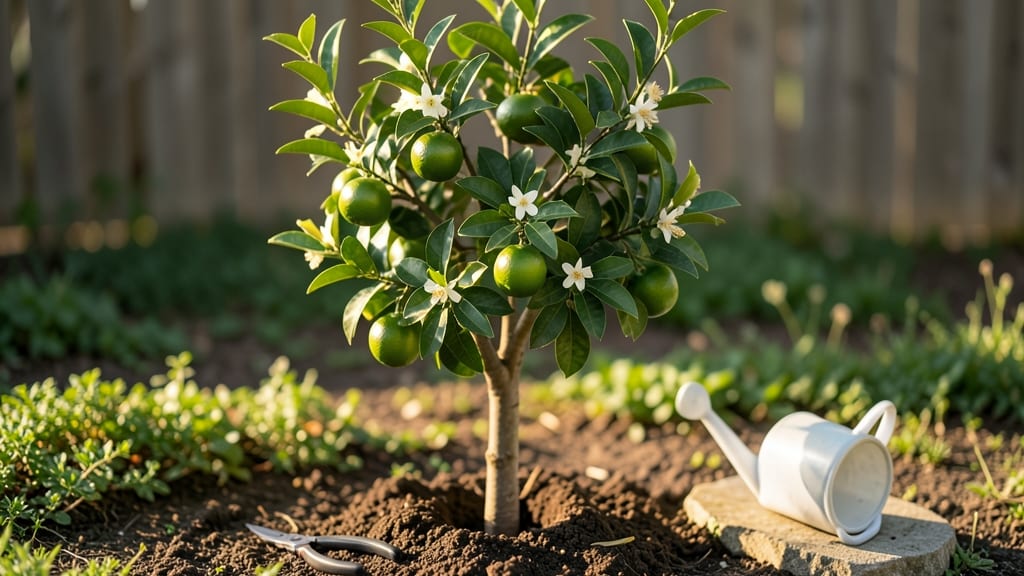
Unlocking the secret to orange seed growth begins with moisture-controlled stratification—a trick that turns near-zero germination into 90% success in weeks. 🌱 I learned this the hard way after watching seeds rot in damp soil, only to discover the secret. lies in mimicking nature’s slow, steady moisture release.
The right balance keeps seeds alive without drowning them, and that’s where most gardeners fail.
You’ll need a few simple supplies: fresh seeds (from ripe fruit, not store-bought), a plastic bag or damp paper towels, and patience. The process mimics winter’s natural moisture cycle, breaking dormancy without overwatering.
Most people skip this step and end up with moldy seeds or weak sprouts—don’t let that be you. This method works indoors or outdoors, even in small spaces.
Within 4-6 weeks, you’ll see tiny roots and shoots breaking through, signaling it’s time to plant in well-draining soil. The seedlings won’t look like full oranges yet—just delicate green stems—but with proper care, they’ll grow into vibrant, fragrant young trees.
The key is consistency: keep the soil moist but not soggy, and watch those first leaves unfurl.
This technique adapts to any climate, though tropical zones will see faster growth. Even in cooler areas, a sunny windowsill or grow light keeps seedlings thriving until transplanting. Once you master this, you’ll never buy orange saplings again—and your kitchen will smell like a Florida grove year-round.
📚 In This Guide
- What you need
- Instructions
- Tips and common mistakes
- Wrapping up and next steps
What you need
- ● Orange seeds: 5–10 fresh, plump seeds (harvested from a ripe, organic orange—avoid hybrid varieties like navels, which may not produce true fruit).
- ● Paper towels or coffee filters: 2–3 sheets (for moisture retention during stratification).
- ● Plastic zip-top bag: 1 quart-sized bag (with a resealable closure).
- ● Spray bottle: With water (for gentle misting).
- ● Small container: 4–6 inch diameter (e.g., yogurt cup or seedling tray) with drainage holes.
- ● Potting mix: 1–2 cups of well-draining, sterile seed-starting mix (avoid garden soil—it’s too dense!).
- ○ Plastic wrap or clear lid: To create a humidity dome (optional but helpful for early growth).
- ● Grow lights or sunny windowsill: Access to 6–8 hours of indirect light daily (south-facing window or LED grow lights work best).
- ○ Thermometer (optional): To monitor soil temperature (ideal range: 65–75°F during germination).
- ● Fungicide: A mild dose (like hydrogen peroxide at 3%) to prevent mold during stratification.
- ● Heat mat: For faster germination if your space is cool.
- ● Humidity tray: A shallow tray with pebbles and water to maintain moisture levels.
- ● Plant labels: To track seedling progress (especially if testing different stratification methods!).
Step-by-step instructions for orange seed growth
Here’s how to break the dormancy barrier and coax those stubborn citrus seeds into life—without the guesswork.
🌱 Step 1: Harvest and Prepare Fresh Seeds
Extract seeds from fully ripe oranges—never store-bought varieties, as they’re often treated to prevent germination. Rinse the seeds thoroughly under lukewarm water to remove any residual pulp, which can rot before sprouting. I like to spread them on a paper towel to air-dry for 12-24 hours at room temperature. This step is critical: damp seeds left in pulp will mold within days.
Once dry, place the seeds in a small container with a damp paper towel—just enough moisture to keep them plump but not soggy. Seal the container loosely with plastic wrap and refrigerate for 30-60 days. This mimics winter’s natural stratification, breaking the seed’s dormancy. Check weekly: if the towel dries out, mist it lightly with water.
💧 Step 2: Stratify for Moisture-Controlled Germination
After stratification, transfer the seeds to a 6-inch diameter pot filled with a mix of 50% peat moss and 50% perlite. The perlite ensures excess moisture drains away, preventing rot. Plant each seed ½ inch deep, spacing them 2 inches apart. Water gently until the soil feels uniformly damp—like a wrung-out sponge.
Cover the pot with clear plastic wrap to retain humidity, but prop it open slightly with a toothpick to allow airflow. Place the pot in a warm spot with indirect light (a bright windowsill without direct sun). Germination can take 4-12 weeks, depending on the orange variety. Patience here is key—don’t disturb the seeds or they’ll dry out and fail to sprout.
☀️ Step 3: Transition to Light and Gradual Watering
Once seedlings emerge, remove the plastic wrap immediately to prevent fungal growth. Move the pot to a location with bright, indirect light for the first 2 weeks. Direct sunlight at this stage will scorch tender new leaves. You’ll notice the first true leaves (not the initial seed leaves) appear after 3-4 weeks—this is your cue to start hardening them off.
Water only when the top ½ inch of soil feels dry. Overwatering is the #1 killer of young citrus seedlings. Use a spray bottle for the first month to avoid disturbing the delicate roots. Once the seedlings reach 4-6 inches tall, you can transition them to a 1-gallon pot with well-draining citrus mix, but wait until spring when temperatures stay above 55°F.
✂️ Step 4: Prune and Support for Strong Growth
When seedlings develop their third set of true leaves, pinch off the top growth to encourage bushier growth. This step mimics natural citrus pruning and prevents leggy, weak stems. Use clean, sharp scissors to make the cut just above a leaf node. You’ll see new side shoots emerge within 2-3 weeks, signaling the plant is establishing its structure.
Support taller seedlings with small stakes or a bamboo cane as they grow. Citrus trees are top-heavy, and without support, they’ll flop over. Place the stake next to the stem and gently tie it with soft twine, leaving room for the plant to sway slightly in the breeze. This mimics outdoor conditions and strengthens the stem over time.
Tips & tricks for perfect orange seed germination
A few key strategies will help you bypass the common pitfalls of citrus seed germination and achieve that coveted 90% success rate.
Stratification Timing: The 30-60 day refrigeration period is where the magic happens for breaking dormancy. I've found that 45 days is the sweet spot for most orange varieties—this gives the seeds enough time to mimic winter's natural conditions without risking mold. Place your container on the fridge's vegetable drawer where temperatures stay consistently cold but not freezing. If you're impatient, you can extend to 60 days, but don't rush it—citrus seeds need that full time to develop the enzymes needed for germination.
Moisture Balance: Maintaining that delicate balance between too wet and too dry is absolutely critical. After planting, your soil mix should feel like a wrung-out sponge—damp but not soggy. I always check moisture by pressing my finger into the soil about an inch deep. If it feels dry at that level, it's time to water. Overwatering is the silent killer of citrus seedlings, leading to rot before they even get a chance to sprout. The 50/50 peat moss and perlite mix is perfect because it holds just enough moisture while allowing excess to drain.
Light Transition Strategy: That first 2 weeks of bright, indirect light is non-negotiable for young seedlings. I use a sheer curtain over my south-facing window to diffuse the light while still providing plenty of illumination. You'll know you've got it right when the seedlings develop their first true leaves (the second set after the initial seed leaves) after about 3-4 weeks. This is your signal that the plant is ready to handle slightly more direct light. The key is gradual exposure—never move them from shade to full sun overnight.
Temperature Awareness: While the instructions mention waiting until spring when temperatures stay above 55°F for repotting, I've learned that even indoor seedlings benefit from this threshold. If your home dips below 55°F at night, consider moving the pot to a warmer location or using a small space heater with a thermostat. Citrus plants are tropical and won't tolerate prolonged cold. You'll notice healthier growth and more vibrant leaves once you maintain this temperature baseline consistently.
Pro Tips for Orange Seed Growth
- A few key strategies will help you bypass the common pitfalls of citrus seed germination and achieve that coveted 90% success rate.
- Stratification Timing: The 30-60 day refrigeration period is where the magic happens for breaking dormancy.
- Moisture Balance: Maintaining that delicate balance between too wet and too dry is absolutely critical.
Frequently asked questions
Got questions about growing orange seeds?
You’re not alone! Here are answers to the most common queries—from timing to troubleshooting—to help you maximize your 90%+ success rate with moisture-controlled stratification.
How long does it take for orange seeds to germinate?
With proper stratification (6–8 weeks in moist sphagnum moss at 60–70°F), germination typically starts in 4–12 weeks after sowing. Patience is key—some seeds may take longer, especially if they’re older or stored improperly. Keep the soil consistently moist (not soggy!) and expect sprouts within 2–3 months of planting.
Can I skip stratification for orange seeds?
While technically possible, stratification dramatically improves germination rates (from ~30% to 90%+). Without it, seeds may stay dormant for months or fail entirely. If you’re short on time, try a hot water soak (150°F for 5 mins) or a cold fridge (30 days) as a quick alternative—but stratification is the gold standard for citrus seeds!
What’s the best temperature for growing orange seeds?
During stratification, aim for 60–70°F (15–21°C)—too cold (<50°F) slows growth, while heat (>80°F) risks mold. After planting, maintain 70–80°F (21–27°C) for optimal seedling development. Use a seedling heat mat if your home runs cooler, or place pots near a sunny window (but avoid direct afternoon sun).
Why aren’t my orange seeds sprouting?
Common culprits:
- Improper stratification: Seeds need moisture + cold—check your sphagnum moss isn’t dry or too warm.
- Old seeds: Seeds lose viability over time (use fresh or store-bought seeds for best results).
- Overwatering: Rot can kill seeds—ensure pots have drainage holes and soil stays moist, not waterlogged.
- No light: Once sprouted, seedlings need bright, indirect light (grow lights help if natural light is weak).
Try re-stratifying or soaking seeds in lukewarm water for 24 hours before replanting.
Can I grow orange seeds indoors year-round?
Orange trees thrive indoors with 10–12 hours of light daily (LED grow lights work great). Keep humidity high (use a humidity dome or pebble tray) and maintain 65–75°F temperatures. Transplant seedlings to 6–8 inch pots with well-draining soil (cactus/succulent mix + perlite). Just be patient—dwarf varieties may take 2–3 years to bear fruit!
Wrapping up and next steps
Growing oranges from seed may seem like a gamble, but with moisture-controlled stratification, you’re already stacking the odds in your favor! 🌱 By mastering the right balance of warmth, humidity, and patience, you can achieve a 90% success rate—turning tiny seeds into thriving citrus trees.
The key? Stay consistent, monitor conditions, and embrace the journey.
Ready to take the next step? Start with just a few seeds in your controlled setup, and soon you’ll be harvesting your own homegrown oranges. Who knows? You might just inspire others to grow their own citrus grove! 🍊✨