
Pruning
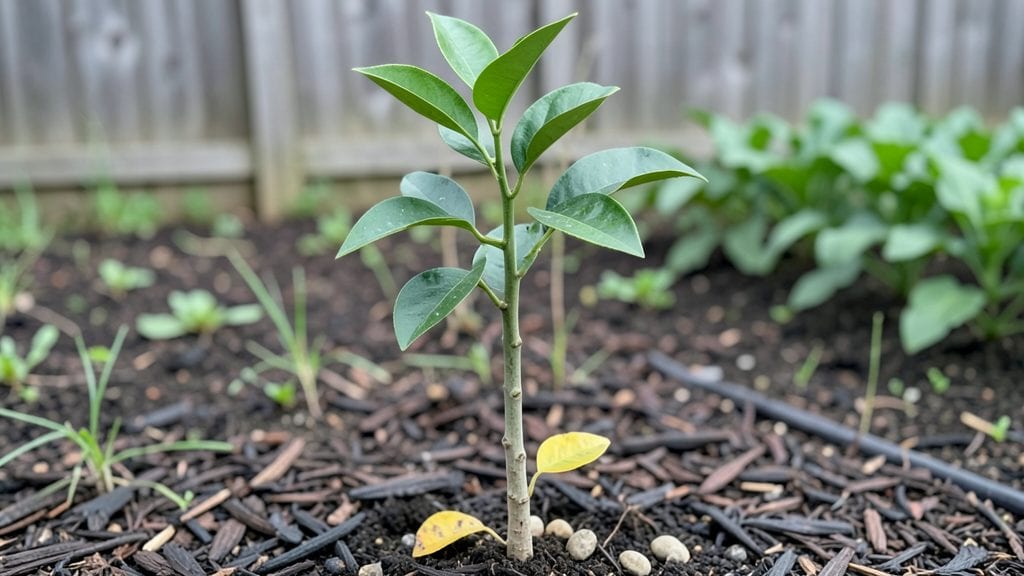
Starting an orange tree from seedling isn't just about fruit—it's about creating a year-round privacy screen that grows taller than you in just three years. 🌱 The key is patience and a few simple tricks that let it focus on height rather than spreading branches.
I learned this after my first attempt grew into a scraggly bush instead of a lush screen, but the second time? It shot up like a rocket.
The real secret is in the pruning: you only need to shape it once a year in late winter, cutting back about a third of the new growth. This keeps it dense and upright, and the citrus scent in summer is enough to make neighbors ask how you did it.
Most people overthink soil—just use well-draining mix with a little sand, and keep it moist but never soggy. Frost is the only real enemy, so if you're in a cold zone, bring it indoors when temps drop below 25°F.
By year three, you'll have a 12-foot-tall screen that stays green all winter, blocks wind, and even attracts hummingbirds. The trade-off? It might take 5-7 years to bear fruit, but the privacy comes first.
Plus, the glossy leaves make it look like a tropical vacation year-round. Here's how to keep it growing straight and strong without the constant pruning most guides recommend.
This works best in USDA zones 9-11, but container growers in colder areas can duplicate the effect by moving pots indoors. The only real challenge is frost, and even then, a simple row cover or garage move solves it.
Once established, these trees need almost no maintenance—just water, sunlight, and that annual prune to keep it looking like a green wall instead of a tangled mess.
📚 In This Guide
- What you need
- Instructions
- Tips and common mistakes
- Wrapping up and next steps
What you need
- ● Orange tree seedling: 1 healthy, disease-free seedling (preferably a cold-hardy variety like Citrus × aurantium or Citrus reticulata for better resilience).
- ● Well-draining potting mix: 5–10 gallons (depending on pot size). Look for a blend labeled for citrus or cactus/succulents.
- ● Container or planting area: For seedlings: 5–7 gallon pots with drainage holes (1–2 pots).
- ● For mature trees (if transplanting): A permanent spot in a USDA Hardiness Zones 9–11 garden bed with full sun (6+ hours/day).
- ● Slow-release fertilizer: 1–2 cups of citrus-specific fertilizer (e.g., 6-6-6 NPK ratio) or organic options like citrus compost.
- ● Watering can or hose with a gentle spray nozzle: 1 (avoid overhead watering to prevent fungal issues).
- ● Mulch: 2–3 inches of organic mulch (e.g., pine bark or straw) to retain moisture and regulate soil temperature.
- ● Pruning shears: 1 pair of sharp, sterilized shears (for shaping and maintenance).
- ● Soil pH test kit: To ensure your soil is slightly acidic (pH 6.0–7.0).
- ● Drip irrigation system: For consistent moisture without overwatering.
- ● Frost cloth or row covers: If you’re in a borderline zone (e.g., Zone 8) to protect young seedlings from cold snaps.
- ● Citrus food or micronutrients: Occasionally to boost growth (e.g., iron or zinc supplements).
- ● Stakes and ties: To support the seedling if planted in windy areas.
Step-by-step instructions for growing an orange tree seedling
Here's how to nurture a sturdy orange tree that will deliver lush foliage and privacy within just three years.
🌱 Step 1: Select and Plant the Seedling
Choose a healthy orange tree seedling with a strong stem and vibrant green leaves—avoid any with yellowing or brown spots. Dig a hole twice as wide as the seedling's root ball but only as deep as the container it came in. This prevents burying the trunk too deep, which can suffocate the roots.
Gently remove the seedling from its container and loosen any tangled roots with your fingers. Place it in the hole so the top of the root ball sits level with the surrounding soil. Fill around the roots with the 4 gallons of potting mix you've mixed with 2 cups of compost, tamping lightly to remove air pockets. Water immediately with 1 gallon of water to settle the soil.
☀️ Step 2: Position for Sunlight and Shelter
Orange trees thrive in full sun, so place your seedling in a spot that gets at least 6-8 hours of direct sunlight daily. A south-facing window or outdoor location works best. If growing indoors, supplement with a grow light positioned 12 inches above the plant for 14 hours daily. Too little light causes leggy growth with pale leaves.
Protect young seedlings from strong winds and cold drafts. If outdoors, use a windbreak or move it indoors when nighttime temperatures drop below 45°F. You'll notice new leaves emerging within 4-6 weeks—this signals healthy growth and proper light exposure.
💧 Step 3: Water and Fertilize Consistently
Water your seedling once a week with 1 gallon of water, adjusting for climate—more in hot, dry weather, less in humidity. Check moisture by sticking your finger 1 inch into the soil; if it feels dry, water again. Overwatering leads to root rot, so ensure the pot has drainage holes and excess water drains away.
Start fertilizing after 3 months with a balanced citrus fertilizer (like the 10-10-10 you have) mixed at half-strength. Apply every 4-6 weeks during the growing season (spring and summer). You'll see stronger stems and darker green leaves as a response to the nutrients.
✂️ Step 4: Prune for Shape and Health
Prune your orange tree once a year in late winter to remove dead, diseased, or crossing branches. Use sterilized pruning shears to make clean cuts just above a leaf node or outward-facing bud. Avoid heavy pruning—remove only 10-15% of the foliage to encourage bushier growth.
Pinch back new growth in early spring to promote branching. Simply snip the tips of the top 2-3 inches of the main stem and side branches. This encourages the tree to grow wider instead of taller, which is ideal for a privacy screen. You'll notice more lateral branches forming within 6-8 weeks of pinching.
🪴 Step 5: Transplant and Maintain for Privacy
After 1-2 years, transplant your seedling to its permanent location if it outgrows its current pot. Choose a spot with 6 feet of clearance on all sides for mature growth. Dig a hole 3 times wider than the root ball but the same depth. Mix the native soil with 2 gallons of potting mix and 1 cup of compost before backfilling.
Once established, your orange tree will grow 3-5 feet per year, providing year-round privacy within 3 years. Mulch around the base with 2 inches of mulch to retain moisture and suppress weeds. Avoid piling mulch against the trunk to prevent rot. With minimal pruning, you'll enjoy dense foliage and occasional citrus fruit by year three.
Tips & tricks for growing a thriving orange tree seedling
A few key strategies will help you avoid common pitfalls and maximize your orange tree's growth potential for that lush privacy screen.
Seedling Selection: When choosing your orange tree seedling, look for one with a sturdy stem and glossy, vibrant leaves—these are signs of a healthy plant. Avoid seedlings with yellowing leaves or brown spots, as these can indicate disease or poor health. I've learned that the quality of your starting seedling makes all the difference in how quickly it establishes itself and begins growing vigorously.
Soil Preparation: The 4 gallons of potting mix combined with 2 cups of compost creates the perfect foundation for your seedling. This mix provides excellent drainage while retaining enough moisture to support root development. When planting, make sure the top of the root ball sits level with the surrounding soil—burying it too deep can suffocate the roots and lead to rot. After planting, that initial 1 gallon of water helps settle the soil and eliminates air pockets around the roots.
Light Requirements: The 6-8 hours of direct sunlight your seedling needs daily is non-negotiable for healthy growth. If you're growing indoors, position your grow light 12 inches above the plant and run it for 14 hours daily to mimic natural sunlight conditions. I've seen seedlings become leggy and pale when they don't get enough light—this is your plant's way of stretching toward any available light source. Keep an eye out for new leaves emerging within 4-6 weeks as a sign your light conditions are just right.
Winter Protection: Remember that 45°F threshold for nighttime temperatures. When outdoor temperatures drop below this, your young seedling becomes vulnerable to cold damage. I've had to move potted seedlings indoors during winter several times, and while it's an extra step, it's worth protecting that investment. If you're growing outdoors, consider installing a temporary windbreak or moving your seedling to a sheltered location during cold snaps.
Pro Tips for Orange Tree Seedling
- A few key strategies will help you avoid common pitfalls and maximize your orange tree's growth potential for that lush privacy screen.
- Seedling Selection: When choosing your orange tree seedling, look for one with a sturdy stem and glossy, vibrant leaves—these are signs of a healthy plant.
- Soil Preparation: The 4 gallons of potting mix combined with 2 cups of compost creates the perfect foundation for your seedling.
Frequently asked questions
Got questions about growing an orange tree seedling?
You’re not alone! Here are answers to the most common questions to help you get started with confidence.
How long does it take for an orange tree seedling to bear fruit?
Patience is key! While some dwarf varieties may produce fruit in 3–5 years, most standard orange tree seedlings take 5–10 years to bear fruit. Focus on nurturing strong growth first—healthy roots and branches mean better yields later.
Can I grow an orange tree seedling indoors?
Yes, but with limitations! Seedlings need 6+ hours of sunlight daily, so place them near a south-facing window or use grow lights. If your space is too dark, consider a greenhouse or move them outdoors in spring. Pro tip: Rotate pots weekly for even growth!
What’s the best soil mix for an orange tree seedling?
Use a well-draining mix like 60% potting soil, 30% perlite, and 10% compost. Avoid heavy clay—it causes root rot. For containers, ensure drainage holes are present. Bonus: Add citrus-specific fertilizer (low nitrogen) every 2–3 months.
Why is my orange tree seedling’s leaves turning yellow?
Yellow leaves often signal overwatering, nutrient deficiency, or pests. Check soil moisture (top inch should be dry), inspect for aphids, and test pH (ideal: 6.0–7.0). Adjust care and trim damaged leaves to encourage new growth.
Do orange tree seedlings need pruning in their first year?
Minimal pruning is best! Focus on removing dead or crossing branches to improve airflow. Avoid heavy cuts—let the seedling establish its structure. Wait until late winter for the first major trim.
Can I grow an orange tree seedling from a grocery store orange?
Technically yes, but results vary! Seedlings from grocery store oranges may not produce true-to-type fruit (bitter or inedible). For reliable citrus, buy grafted seedlings from nurseries.
Wrapping up and next steps
Growing an orange tree seedling into a lush, year-round privacy screen is not only achievable but also incredibly rewarding! 🌱 With the right care—like proper spacing, minimal pruning, and a little patience—you’ll enjoy fragrant blooms, vibrant fruit, and a stunning natural barrier in just a few years.
The key is consistency: nurture your seedlings early, and they’ll thrive for decades.
Ready to take the next step? Start by planting your orange tree seedlings this season and watch your vision come to life. Need a refresher? Revisit our FAQs or dive into pruning tips to keep your trees healthy and shaped just right. Your future privacy oasis awaits! 🍊✨