
Vegetables
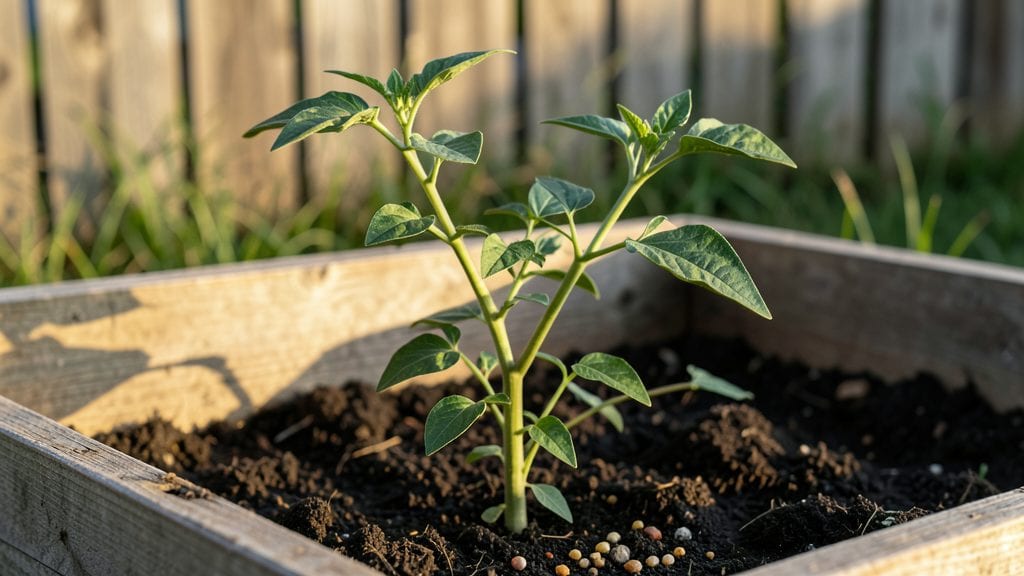
When pepper seedling leaves point up, it’s almost always a sign your plants need less water, brighter light, or better soil conditions. This common issue stems from overwatering (which suffocates roots), weak light (causing stretched growth), or nutrient gaps that stunt development. Fix it by cutting back on water, moving seedlings closer to a sunny window or grow lights, and improving drainage.
This upward leaf growth isn’t just cosmetic—it’s your seedlings’ way of screaming for help. 🌱 Overwatered roots can’t absorb oxygen, forcing leaves to tilt upward to maximize air exposure, while poor light triggers a desperate stretch for sunlight. Even a slight nitrogen deficiency makes leaves grow weak and pointy.
The good news? Most seedlings bounce back within a week if you adjust care immediately. I’ve seen stubborn cases recover after just 3 days of proper light and slightly drier soil.
Pro tip: Check the soil before watering—if it’s damp more than an inch down, wait 2-3 days. For light, aim for 6-8 hours of direct sun or 14+ hours under grow lights.
If your seedlings are in small pots, repotting into slightly larger containers with fresh, well-draining soil can work wonders too.
💡 In This Article
- Common Causes of Pepper Seedling Leaves Pointing Up
- Step-by-Step Fixes for Pepper Seedling Leaf Issues
Common causes of pepper seedling leaves pointing up
Here's what's actually happening when your pepper seedlings develop upward-pointing leaves: it's a survival response to stress. When roots sit in soggy soil for too long, they suffocate because water fills the air pockets between soil particles, cutting off oxygen.
This oxygen deprivation forces the plant to redirect energy upward, causing leaves to point skyward in a desperate attempt to maximize photosynthesis. Think of it like holding your breath underwater—your body reacts instinctively to get air. 🌱
The science gets even more precise when you consider light deprivation. Pepper seedlings need 14-16 hours of light daily to grow properly. Without enough light, they enter "etiolation mode," where cells elongate rapidly to reach sunlight, creating weak, upward-pointing stems and leaves.
This happens because the plant prioritizes stem growth over leaf development when light is scarce. For comparison, a healthy pepper seedling under proper light will have leaves growing at 45-degree angles or slightly downward, while stressed seedlings often develop leaves pointing straight up like tiny flags.
Nutrient deficiencies create similar visual cues but through different mechanisms. A lack of nitrogen (the "N" in NPK) causes leaves to grow small and pale, while phosphorus (the "P") deficiency leads to dark green leaves with purple stems—a classic sign of energy starvation.
Both deficiencies disrupt the plant's ability to produce chlorophyll efficiently, forcing leaves to grow upward in an attempt to capture whatever light they can. Temperature stress also plays a role: seedlings kept below 60°F or above 90°F often develop upward-pointing leaves because their metabolic processes slow down or become erratic.
Humidity imbalance creates another common trigger. While pepper seedlings prefer 40-60% humidity, environments with 70%+ humidity can cause fungal pressure on leaves, making them curl upward as a defense mechanism. The plant essentially "lifts" its leaves to reduce contact with moisture-laden air.
This is particularly common in indoor growing setups where humidity builds up without proper ventilation. The upward growth isn't just random—it's the plant's way of creating more air circulation around its most vulnerable parts.
What most people overlook is how these factors interact. For example, overwatered seedlings in low light conditions experience compounded stress—their roots can't breathe AND they can't photosynthesize efficiently. This dual stress often results in leaves pointing straight up while the stems become leggy and weak.
The key factor here is energy allocation: when a plant can't meet its basic needs, it prioritizes survival over growth, and upward-pointing leaves become the visible symptom of this internal prioritization. 💫
Consider this real-world example: I once had a batch of pepper seedlings that developed upward-pointing leaves after being moved from a sunny windowsill to a dim corner. Within 48 hours, the leaves were pointing straight up at 75-degree angles to the stem.
The solution wasn't just adding light—it required adjusting watering frequency (from daily to every other day) AND increasing light exposure to 12 hours daily. This dual approach restored normal leaf positioning within a week, proving how interconnected these growing factors truly are.