Pests
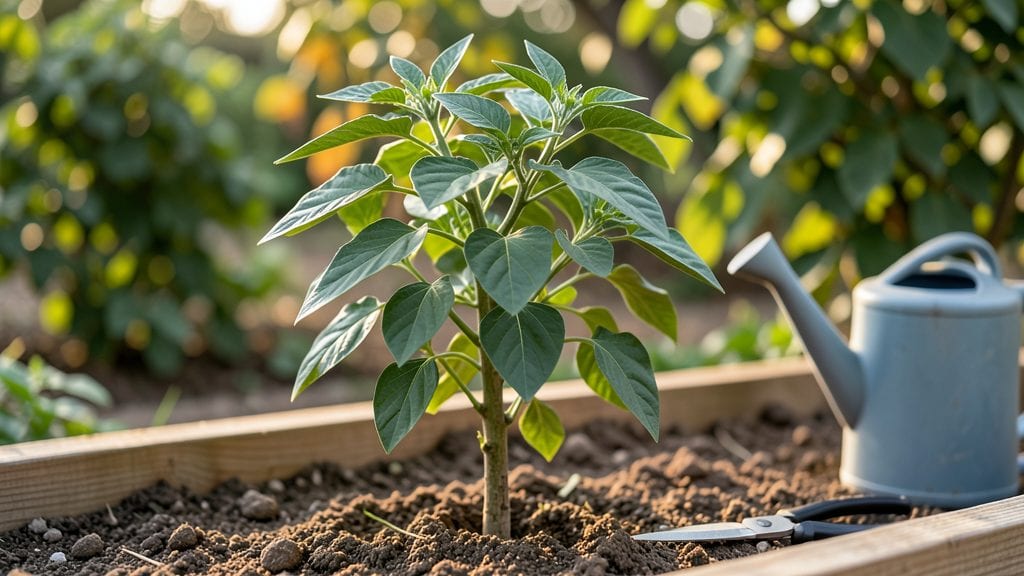
Pepper seedling leaves aren’t just delicate—they’re your first line of defense against pests and disease. 🌱 I’ve watched my seedlings go from crisp and vibrant to chewed on by aphids or spotted with fungal blemishes, and the difference between a thriving plant and a struggling one often comes down to what’s happening on those tiny leaves.
The real game-changer? Healthy leaves repel pests naturally. When seedlings get stressed—whether from overwatering, poor light, or hungry insects—they signal trouble to the garden ecosystem. Yellowing edges, curled fronds, or sticky residue on leaves?
Those are warning signs you can’t ignore. But here’s the good news: most issues are fixable with a few targeted steps.
By the time you finish this, you’ll spot problems early and know exactly how to respond. We’re talking crisp, glossy leaves that deter aphids and spider mites before they start, and seedlings that grow strong enough to handle the heat and humidity of summer.
The key is acting fast—once you recognize the symptoms, solutions are simple but effective.
Whether you’re dealing with a sudden infestation or just want to prevent issues before they start, this guide gives you the tools to keep your pepper seedlings lush and productive. Let’s get those leaves fighting back for you.
Understanding Leaf Stress Triggers
When your pepper seedling leaves start showing signs of distress—whether it’s yellowing, curling, wilting, or developing unsightly spots—it’s often a cry for help from your plant. But what’s really causing the trouble?
Let’s break down the most common culprits behind leaf issues in pepper seedlings, so you can diagnose and fix the problem before it spreads.
Pepper seedlings hate soggy roots, and overwatering is one of the fastest ways to stress them out. When soil stays too wet, roots suffocate from lack of oxygen, leading to:
- Yellowing leaves (especially lower ones)
- Mushy stems (a sign of root rot)
- Slow or stunted growth
Why it happens:
- Pepper seedlings prefer well-draining soil with a moisture level that mimics their natural habitat—not swampy conditions.
- Overwatering disrupts the beneficial microbial activity in the soil, which helps roots absorb nutrients.
- Compacted or clay-heavy soil worsens drainage issues, trapping excess water near roots.
Actionable fix: ✅ Use a moisture meter to check soil dampness before watering. ✅ Ensure pots have drainage holes and use a light, airy potting mix (like a 50/50 blend of peat moss and perlite). ✅ Water only when the top inch of soil feels dry—stick your finger in to test!
On the flip side, not enough water can cause pepper seedlings to wilt, develop crispy edges, or drop leaves prematurely. This is especially true in hot, dry climates or when seedlings are in small containers that dry out quickly.
Why it happens:
- Pepper plants are sensitive to moisture fluctuations, and sudden drought stress triggers osmotic imbalance in cells.
- Leaves lose turgor pressure (the "plumpness" from water-filled cells), causing wilting.
- Root systems in seedlings are shallow, making them vulnerable to rapid moisture loss.
Actionable fix: ✅ Mulch around seedlings with straw or shredded leaves to retain soil moisture. ✅ Water deeply but infrequently—aim for 1 inch of water per week (adjust for rain). ✅ If leaves are already wilted, soak the soil (not just the top layer) and monitor recovery.
Pepper seedlings need a balanced diet of nitrogen (N), phosphorus (P), and potassium (K), along with micronutrients like magnesium, calcium, and iron. When one nutrient is missing, leaves show distinct symptoms:
| Symptom | Likely Deficiency | What It Looks Like |
|---|---|---|
| Yellowing between veins (older leaves) | Nitrogen (N) | Pale, dull leaves; stunted growth |
| Purple or dark green leaf undersides | Phosphorus (P) | Slow root development; weak seedlings |
| Yellowing new leaves (chlorosis) | Magnesium (Mg) | Interveinal yellowing, often on younger leaves |
| Cauliflower-like leaf edges | Calcium (Ca) | Distorted growth, especially in new leaves |
| Yellowing with green veins | Iron (Fe) | Pale leaves but veins stay green (common in alkaline soil) |
Why it happens:
- Improper soil pH (too acidic or alkaline) locks out nutrients.
- Over-fertilizing with nitrogen can burn roots, preventing uptake of other nutrients.
- Poor-quality soil lacks organic matter, depleting micronutrients over time.
Actionable fix: ✅ Test your soil (pH should be 6.0–6.8 for peppers). ✅ Use a balanced fertilizer (like 10-10-10) sparingly—seedlings don’t need heavy feeding. ✅ Epsom salt (magnesium sulfate) can fix magnesium deficiencies—1 tbsp per gallon of water, applied every 2 weeks. ✅ For calcium issues, use crushed eggshells or lime (if soil is too acidic).
Tiny invaders like aphids, spider mites, whiteflies, or fungal pathogens (like damping-off or early blight) can devastate pepper seedlings by:
- Sucking sap (leaving sticky residue, stunted growth, or curled leaves).
- Spreading fungal spores (causing dark spots, wilting, or leaf drop).
- Weakening the plant’s immune system, making it susceptible to other stresses.
Why it happens:
- Crowded seedlings create high humidity, perfect for fungal growth.
- Weak or stressed plants (from poor growing conditions) are easier targets for pests.
- Contaminated soil or tools can introduce pathogens.
Actionable fix: ✅ Inspect leaves daily—look for tiny webs, holes, or discoloration. ✅ Spray with neem oil (natural pesticide/fungicide) or insecticidal soap at the first sign of pests. ✅ Space seedlings properly (12–18 inches apart) for better airflow. ✅ Remove infected leaves immediately and sterilize tools with rubbing alcohol.
Pepper seedlings are tropical plants and thrive in warmth (70–85°F).
When exposed to extreme heat, cold, or poor light, their leaves react with: - Sunburn (white/yellow patches on leaves exposed to intense midday sun). - Leggy, weak stems (from low light, causing seedlings to stretch toward light). - Cold damage (blackened or mushy leaves when temps drop below 50°F).
Why it happens:
- Transplant shock from moving seedlings too soon into hot/cold conditions.
- Inadequate shade cloth in high-light areas (like greenhouses or full sun).
- Drafts or temperature swings (e.g., near AC vents or open windows).
Actionable fix: ✅ Hardening off seedlings gradually before transplanting (expose to outdoor conditions for 7–10 days). ✅ Use shade cloth (30–50%) if seedlings are in direct, harsh sunlight. ✅ Keep seedlings in a consistent temperature range—avoid placing them near drafts or heat sources. ✅ Grow lights (LED or fluorescent) can supplement low natural light in indoor setups.
Revive Your Pepper Seedlings Now
When your pepper seedling leaves show signs of distress—whether it’s yellowing, wilting, or holes—don’t panic. Most issues have simple, effective fixes that can save your plants and even strengthen their natural pest-repellent abilities.
Below, we’ve mapped out the most common problems and the best ways to tackle them, plus tips to keep your seedlings thriving long-term.
Pepper seedlings are sensitive to moisture levels, and both too much and too little water can cause leaves to droop or turn yellow.
💧 Fix Overwatering
- Stop watering immediately and let the soil dry out for 1–2 days. Stick your finger an inch into the soil—if it’s soggy, hold off.
- Repot if needed: If roots are rotting (black, mushy roots), transfer the seedling to fresh, well-draining soil.
Trim any damaged roots with clean scissors. - Improve drainage: Add perlite or coarse sand to the potting mix to prevent waterlogging.
💧 Fix Underwatering
- Water deeply but gently at the base of the plant (not the leaves) to avoid fungal growth. Use room-temperature water.
- Check soil moisture daily until leaves perk up.
Pepper seedlings prefer slightly moist (not soggy) soil. - Mulch lightly with straw or coconut fiber to retain moisture without suffocating roots.
💡 Prevention Tip: Water only when the top inch of soil feels dry. Use pots with drainage holes, and avoid letting seedlings sit in saucers of standing water.
Pests like aphids, spider mites, or slugs can turn your pepper seedling leaves into a buffet. Act fast to stop the damage!
🪰 Treat Aphids or Spider Mites
- Blast them off with a strong spray of water from a hose (early morning works best).
- Use insecticidal soap: Mix 1 tablespoon of mild liquid soap (like Castile) with 1 quart of water.
Spray directly on pests, avoiding the soil. - Introduce beneficial insects: Ladybugs or lacewings love aphids—release them near your seedlings for natural control.
🐌 Stop Slug and Snail Attacks
- Set traps: Place shallow dishes of beer or yeast water near seedlings—slugs will crawl in and drown.
- Create barriers: Surround pots with crushed eggshells, diatomaceous earth, or copper tape (slugs hate the sensation!).
- Handpick at night: Slugs are most active after dark.
Shake them into a bucket of soapy water.
💡 Prevention Tip: Keep your garden clean—remove fallen leaves and debris where pests hide. Interplant with strong-smelling herbs like basil or marigolds to deter pests naturally.
If leaves develop brown, crispy edges, your seedlings might be struggling with humidity, temperature, or wind.
🌡️ Adjust Humidity and Temperature
- Move seedlings indoors if temperatures drop below 50°F (10°C) or rise above 90°F (32°C).
- Use a humidity dome (a plastic cover over seedlings) to retain moisture, especially in dry climates.
- Mist leaves lightly in the morning (avoid evening misting to prevent fungal issues).
💨 Protect from Wind and Sunburn
- Shield from harsh winds by placing seedlings in a sheltered spot or using a windbreak like a mesh screen.
- Gradually acclimate to sunlight: If seedlings were indoors, move them outside for a few hours daily, increasing time over 1–2 weeks to avoid sunburn.
💡 Prevention Tip: Pepper seedlings thrive in temperatures between 60–85°F (15–29°C). Monitor weather forecasts and bring them inside during extreme conditions.
If leaves yellow between veins (chlorosis) or seedlings grow slowly, they might need a nutrient boost.
🌿 Fix Nutrient Deficiencies
- Use a balanced fertilizer: Dilute a liquid fertilizer (like 10-10-10) to half-strength and apply every 2–3 weeks.
- Add compost tea: Brew compost in water for 24–48 hours, strain, and use as a foliar spray or soil drench for micronutrients.
- Check pH levels: Pepper seedlings prefer slightly acidic soil (pH 6.0–6.8).
Test your soil and amend with lime (to raise pH) or sulfur (to lower it) if needed.
💡 Prevention Tip: Start with high-quality potting mix and avoid over-fertilizing—too many nutrients can burn young roots. Stick to a light feeding schedule.
With these targeted fixes, your pepper seedling leaves should bounce back stronger—and their natural pest-repellent properties will only grow more potent! Remember, consistency is key: monitor your seedlings daily, adjust care as needed, and soon you’ll have a thriving garden that pests won’t dare touch. 🌿✨
Frequently asked questions about pepper seedling leaves
Why are my pepper seedling leaves turning yellow?
Yellowing leaves usually signal overwatering or nutrient deficiencies. Check soil moisture—pepper seedlings prefer slightly damp (not soggy) soil. If roots feel mushy, you may have root rot. Alternatively, yellowing between veins often indicates nitrogen deficiency, while yellowing with green veins suggests iron issues. Test your soil pH (ideal: 6.0–6.8) and adjust with compost or Epsom salt.
What do curled pepper seedling leaves mean?
Curled leaves typically indicate pest infestations (like spider mites or aphids) or environmental stress. Inspect the undersides of leaves for tiny webs or insects. For pests, spray with neem oil or insecticidal soap. If no pests are found, check for temperature swings—pepper seedlings thrive at 70–85°F. Move them to a more stable environment if needed.
How can I prevent pepper seedling leaves from getting holes?
Holes in leaves are usually caused by chewing insects like slugs, snails, or caterpillars. Set up beer traps or create barriers with crushed eggshells. For indoor seedlings, check for fungus gnats (tiny black flies) and reduce overhead watering. Keep your growing area clean—remove fallen leaves and debris where pests hide. Companion planting with basil or marigolds can also deter pests naturally.
Are brown spots on pepper seedling leaves a serious problem?
Brown spots can indicate fungal issues (like early blight) or sunburn. If spots are raised and brown, it’s likely fungal—remove affected leaves and improve airflow by spacing seedlings 12–18 inches apart. For sunburn, move seedlings to partial shade and gradually acclimate them to sunlight. Avoid wetting leaves when watering, as moisture encourages fungal growth.
Can I save pepper seedlings with mushy stems?
Mushy stems are a sign of overwatering or damping-off disease. If caught early, trim the damaged stem just above healthy tissue and repot in fresh, sterile potting mix with perlite for drainage. Keep the soil dry for 3–5 days and avoid overhead watering. For prevention, sterilize tools between uses and avoid crowding seedlings. If the stem is too far gone, start fresh with new seedlings.