
Planting
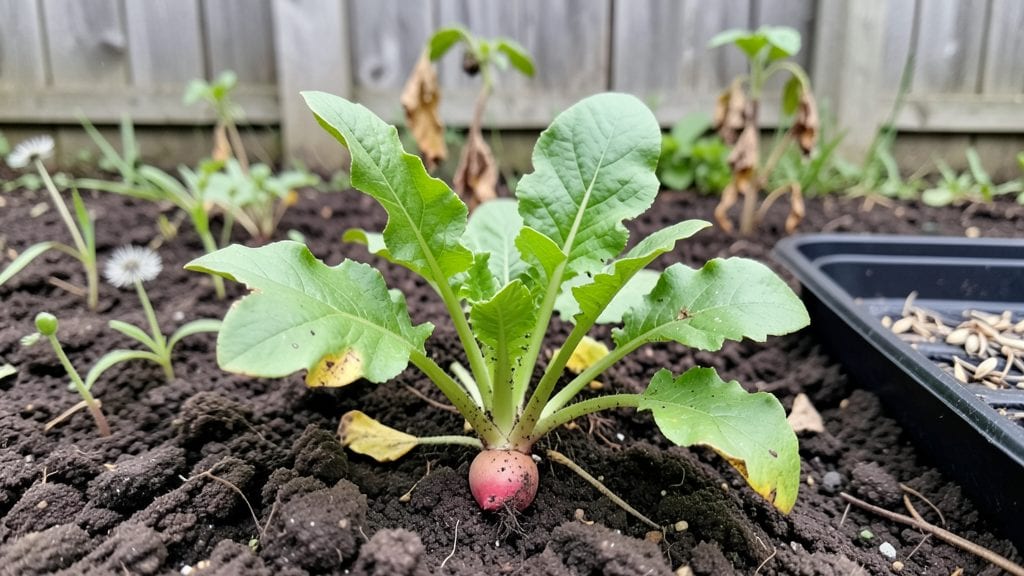
Planting radish seeds is the fastest way to get edible greens on your table—some varieties pop up in just 4-7 days without any fancy cold treatment. I’ve grown radishes for years, and the secret to speed isn’t complicated: it’s all about the soil, spacing, and keeping those seeds moist.
The first time I saw tiny green leaves push through the dirt after just a week, I knew I’d never buy store-bought radishes again.
You’ll need loose, well-draining soil (no clumps!) mixed with a little compost for nutrients, and a spot that gets at least 4-6 hours of sunlight daily. Radishes hate being crowded, so plant seeds ½ inch deep and 1 inch apart in rows spaced 12 inches apart.
Water gently after planting—no blasting the seeds away—and keep the soil consistently damp, like a wrung-out sponge. The faster they germinate, the quicker you’ll be harvesting.
By day 7, you’ll have a carpet of bright green seedlings ready to thin to 2-3 inches apart for full-sized radishes. The key to success? Don’t let the soil dry out, and watch for pests like flea beetles—cover seedlings with row fabric if they start looking chewed.
With the right care, you’ll have crisp, peppery radishes in 3-4 weeks, and the satisfaction of growing something this fast is unbeatable.
Works best in spring or fall when temperatures stay between 50-75°F, but some varieties tolerate light frost. If you’re growing in summer heat, opt for quick-maturing types like ‘Cherry Belle’ or ‘French Breakfast’—they’ll bolt less and stay sweet.
Once you master this, you’ll be planting radishes every few weeks for a steady harvest all season long.
📚 In This Guide
- What you need
- Instructions
- Tips and common mistakes
- Wrapping up and next steps
What you need
- ● Radish seeds: Choose fast-maturing varieties like Cherry Belle, French Breakfast, or Easter Egg (1–2 tbsp per planting area).
- ● Growing containers: Shallow trays (6–8" deep) or pots with drainage holes (1–2 per planting).
- ● OR a well-prepared garden bed (6–12" deep, loose soil).
- ● Potting mix: Lightweight, seed-starting mix (1–2 bags, ~1–2 cubic feet total). Avoid garden soil—it’s too dense!
- ● Watering can or spray bottle: Gentle watering prevents seed displacement.
- ○ Fertilizer (optional but helpful): Balanced, water-soluble fertilizer (5-5-5 or 10-10-10, 1 tbsp per gallon of water).
- ● Grow lights or sunny windowsill (if indoors, 6+ hours of light/day).
- ● Row covers or cloches (to protect seedlings from pests or cold snaps).
- ● Plant markers (to track varieties if growing multiple types).
- ● Compost or worm castings (for nutrient-rich soil boost).
How to plant radish seeds for rapid germination
Here’s the method I use to get radishes sprouting in just 7 days—no cold treatment needed.
Prepare the Soil for Fast Germination
Radishes thrive in loose, well-draining soil that warms quickly. Work the 2 gallons of garden soil and 1 gallon of compost together until the mix is crumbly and free of clumps. Radishes hate compacted soil, which slows germination and stunts root growth. Aim for a texture that crumbles easily between your fingers—like damp sand.
If your garden soil feels heavy or clay-like, mix in an extra ½ cup of perlite to improve drainage. The key here is warmth and moisture retention without waterlogging. Test your soil by squeezing a handful—if water beads up on the surface, it’s too dense. Radishes need soil that feels slightly damp but not soggy to the touch.
Sow Seeds at the Right Depth and Spacing
Plant radish seeds ½ inch deep and 1 inch apart in rows spaced 12 inches apart. Press each seed lightly into the soil with your finger—just enough to cover it without burying it too deeply. If seeds are planted too shallow, they may dry out before germinating; too deep, and they’ll struggle to reach the surface.
For 4 servings, you’ll need about 20-25 seeds total. I like to plant them in shallow furrows about ¼ inch deep, then cover with a thin layer of soil. After sowing, gently pat the surface to ensure good seed-to-soil contact. This ensures consistent moisture and prevents seeds from washing away during watering.
Water Gently and Maintain Even Moisture
Water the soil lightly but thoroughly right after planting to settle the seeds. Use a fine-mist spray nozzle or a watering can with a rose attachment to avoid displacing the seeds. Radishes need consistent moisture—never let the soil dry out completely, but avoid soggy conditions, which can cause rot.
Check the soil daily by pressing your finger ½ inch deep. If it feels dry, water again. Overhead watering can spread disease, so I water at the base of the plants in the morning. This keeps the foliage dry and reduces the risk of fungal issues. Within 3-5 days, you’ll see tiny green shoots pushing through the soil—this is your cue that germination is underway.
Thin Seedlings for Stronger Roots
Once seedlings reach 1 inch tall, thin them to 3 inches apart in the row. Use a small pair of scissors to snip unwanted seedlings at soil level—this prevents disturbing the roots of the remaining plants. Thinning might seem cruel, but crowded radishes produce small, misshapen roots. Proper spacing ensures each plant gets enough nutrients and water to grow plump, tender roots.
After thinning, water the remaining seedlings again to help them recover. Keep the soil consistently moist but not waterlogged, as radishes are sensitive to both drought and excess moisture. In 7-10 days, you’ll have robust seedlings ready for harvest when the tops reach 1-2 inches wide—a sure sign the roots are edible and sweet.
Monitor for Pests and Adjust Care
Radishes grow quickly, so stay vigilant for pests like flea beetles or aphids. Inspect the leaves daily for small holes or sticky residue. If you spot pests, spray the plants with neem oil or a soapy water solution (1 tablespoon mild dish soap per gallon of water). Avoid chemical pesticides, as radishes are harvested quickly and absorb residues easily.
If the weather turns hot, radishes may bolt (go to seed) prematurely. To prevent this, provide light shade during peak afternoon sun if temperatures exceed 85°F. Harvest radishes as soon as they reach the desired size—usually 3-4 weeks after planting—to avoid bitterness and ensure the best flavor. The faster you harvest, the sweeter they’ll be!
Tips & tricks for planting radish seeds with rapid germination
These practical insights will help you achieve those 7-day sprouts consistently, even if you're new to gardening.
Soil Preparation is Non-Negotiable: The texture of your soil mix is more important than you might think. After combining the 2 gallons of garden soil with 1 gallon of compost, run your fingers through it to check for clumps. If you find any, break them apart until the mix feels like damp sand. This level of preparation ensures optimal air circulation at the seed level, which is critical for that rapid 7-day germination. Remember, radishes despise compacted soil—they need that loose, almost powdery texture to send roots down quickly.
Precision in Planting Depth: Those ½-inch deep furrows you create aren't just arbitrary measurements—they're the sweet spot for radish seeds. Planting too shallow risks drying out before germination, while planting too deep forces seedlings to struggle upward. I've found that using your finger to press seeds to exactly ½-inch depth (about the width of your pinky finger) gives the most consistent results. For visual confirmation, imagine your seed is at the level where your knuckle meets your finger—this is your target depth every time.
Moisture Management is Everything: The key to maintaining that consistent moisture without waterlogging lies in your watering technique. When checking soil moisture by pressing your finger ½-inch deep, look for a slight resistance—like pressing your finger into a damp sponge. If it feels completely dry, water immediately. But if water drips out when you squeeze, you've gone too far. Morning watering at the base prevents fungal issues while keeping the soil perfectly damp for those critical first 7 days. This is where most gardeners fail—they either under or overwater, both of which can stall germination.
Thinning Strategy for Maximum Yield: When your seedlings reach that 1-inch height and you're ready to thin to 3 inches apart, use sharp scissors to snip at soil level rather than pulling. This prevents disturbing the roots of your remaining plants, which could set back their growth. I've seen gardeners make the mistake of pulling seedlings, which creates small holes that can dry out faster. The scissor method leaves a clean cut that heals quickly, allowing your chosen plants to continue growing without stress. This attention to detail is what separates good radish yields from exceptional ones.
Pro Tips for Plant Radish Seeds
- These practical insights will help you achieve those 7-day sprouts consistently, even if you're new to gardening.
- Soil Preparation is Non-Negotiable: The texture of your soil mix is more important than you might think.
- Precision in Planting Depth: Those ½-inch deep furrows you create aren't just arbitrary measurements—they're the sweet spot for radish seeds.
Frequently asked questions
Got questions about planting radish seeds? You’re not alone—radishes are fast-growing but can be tricky if you’re new to gardening. Here are answers to the most common queries to help you grow crisp, crunchy radishes in just 7 days!
How deep should I plant radish seeds?
Plant radish seeds about ½ inch deep in well-draining soil. They’re tiny but mighty—too deep, and they’ll struggle to sprout; too shallow, and they may dry out. A light sprinkle of soil and a gentle pat will do the trick!
Can I plant radishes in containers or just the ground?
Radishes thrive in containers, raised beds, or in-ground gardens as long as the soil is loose and fertile. Just ensure the container is at least 6 inches deep and has drainage holes. Bonus: Containers keep pests away!
What’s the best temperature for radish seeds to sprout?
Radishes love cool weather—ideal germination temps are between 45°F and 75°F. If it’s too hot (above 80°F), they’ll bolt (go to seed) quickly. Plant in early spring or fall for the best results!
Why aren’t my radish seeds sprouting?
No sprouts? Check these fixes:
- Moisture: Keep soil consistently damp (not soggy).
- Depth: Seeds buried too deep may rot.
- Temperature: Too cold (<40°F) or too hot (>85°F) slows germination.
- Fresh seeds: Old seeds (over 1 year) may not sprout.
Can I grow radishes indoors without sunlight?
Yes! Place your container near a sunny window (6+ hours of light/day) or use a grow light. Radishes need light to grow straight and avoid legginess. If indoors, thin seedlings to 1 inch apart to prevent crowding.
What’s the fastest radish variety for sprouts?
For ultra-fast sprouts (3–5 days), try:
- Cherry Belle (classic, 25 days to harvest)
- Easter Egg (colorful, 28 days)
- French Breakfast (mild, 25 days)
Wrapping up and next steps
Growing radishes from seeds is a quick, rewarding, and beginner-friendly way to enjoy fresh, crunchy harvests in just seven days—no cold stratification needed! 🌱 Whether you're a gardening newbie or a seasoned green thumb, these fast-sprouting roots are perfect for small spaces, containers, or even your kitchen counter.
With the right soil, warmth, and a little patience, you’ll be feasting on homegrown radishes sooner than you think.
Ready to dive in? Start small—try a single pot or a few seeds to test your setup, then scale up as confidence grows. Happy planting, and may your radish patch be plentiful and delicious! 🥕✨