
Vegetables
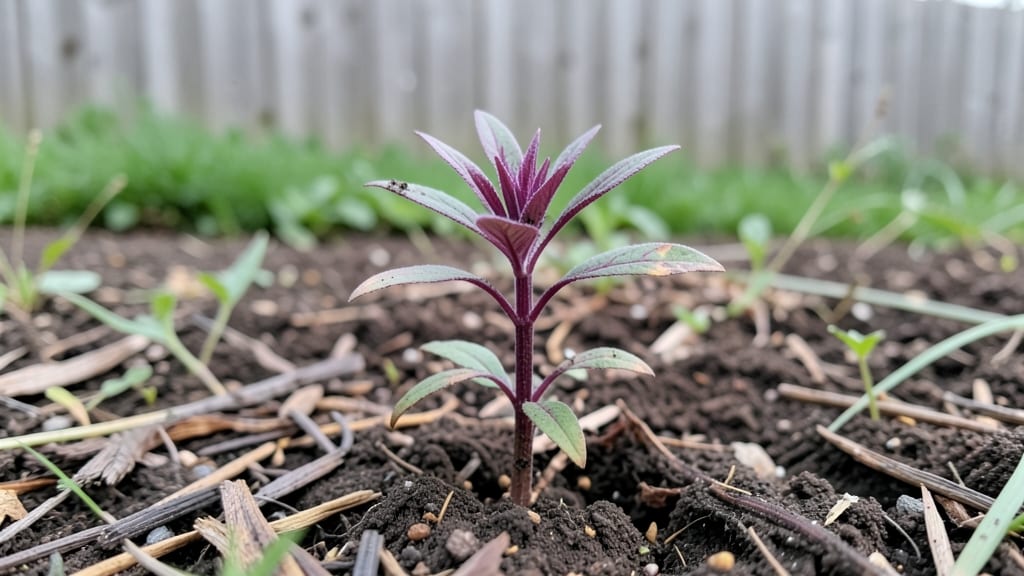
Growing purple amaranth seedlings fast means starting with the right moisture trick—layered dampness that keeps seeds cozy without drowning them. 🌱 I learned the hard way that soggy soil turns seeds into mush, but the right balance gives you sturdy seedlings in just 7-10 days.
The secret isn’t fancy; it’s a simple soil prep that mimics the warm, moist conditions these seeds crave in their native habitats.
You’ll need a shallow tray, high-quality seed-starting mix, and a spray bottle for gentle watering. The layered moisture trick involves pre-soaking the soil until it’s damp like a wrung-out sponge, then planting seeds just ¼-inch deep.
This prevents the soil from drying out too quickly while keeping roots from sitting in water. Most beginners overwater, but amaranth seedlings are tough once they get going—just don’t let them dry out.
By day 7, you’ll see vibrant purple shoots pushing through the soil, ready to handle more light and space. These seedlings grow fast, so transplant them into larger pots or your garden bed when they’re about 2 inches tall.
The layered moisture method gives you a head start, but consistent care keeps them thriving all season—no wilting or leggy stems in sight.
Works for both indoor starts and direct sowing in warm climates. Once you master this trick, you’ll have amaranth greens and flowers ready to harvest in just a few weeks. Let’s get those seeds sprouting!
📚 In This Guide
- What you need
- Instructions
- Tips and common mistakes
- Wrapping up and next steps
What you need
- ● Purple amaranth seeds: 1 packet (about 50–100 seeds, non-GMO preferred for best results)
- ● Seed-starting trays or pots: 2–3 (4" deep, with drainage holes) or a single large tray (10"x20")
- ● Seed-starting mix: 2–3 cups (sterile, peat-based or coconut coir blend for moisture retention)
- ● Watering can or spray bottle: With a fine mist nozzle (for gentle hydration)
- ○ Clear plastic dome or humidity tent: To retain moisture (optional but highly recommended for seedlings)
- ● Grow lights or sunny windowsill: 12–16 hours of light daily (LED grow lights work best for consistent growth)
- ● Plant labels: 2–3 (to track seedling progress)
- ● Layered moisture trick supplies: 1 sheet of damp paper towel or coffee filter
- ● 1–2 layers of damp sphagnum moss (or a damp kitchen towel in a pinch!)
- ● Fertilizer: 1 tsp diluted fish emulsion or seaweed extract (mix 1 tbsp per gallon of water, use after 1 week)
- ○ Heat mat (optional): For faster germination (70–75°F ideal)
- ● Tweezers or small spoon: For gentle seed placement
- ● Hairspray or waterproof marker: To label seeds before planting (if labels aren’t handy)
Step-by-step instructions for growing purple amaranth seedlings
Here's how to coax fast, sturdy purple amaranth seedlings using my layered moisture technique.
🌱 Step 1: Pre-Soak Seeds for Faster Germination
Place the 1 packet of purple amaranth seeds in a bowl and cover with warm water (about 80°F) for 8-12 hours. The seeds will plump up noticeably—this softens the tough outer shell and triggers faster sprouting. I use a small plate to hold them submerged while they soak.
After soaking, drain the water and spread seeds on a paper towel to dry slightly for 30 minutes. This prevents them from sticking together when planting. The goal is damp but not dripping seeds—you'll know they're ready when they feel cool to touch but don't leave moisture on your fingers.
💧 Step 2: Create Moisture Layers in Your Growing Medium
Fill each of your 4 biodegradable seedling pots with 2 cups of seed-starting mix per pot. Press the mix down lightly with your fingers until it's firm but not compacted. Then, add a thin layer (¼ inch) of perlite on top of the soil in each pot.
This layered approach creates ideal drainage while keeping moisture right where the seeds need it. Water the pots until water runs out the drainage holes, then add another ¼ inch layer of perlite on top. Plant 2-3 seeds per pot, pressing them gently into the perlite layer—just deep enough so they're covered but not buried.
☀️ Step 3: Maintain Consistent Moisture Without Overwatering
Cover the pots with a clear plastic dome or wrap them in plastic wrap to trap humidity. Place them in a warm spot (70-75°F) with bright, indirect light—a south-facing window works well. Check daily and mist the perlite layer lightly when it feels dry to touch.
Germination should begin in 5-7 days. Once sprouts appear, remove the plastic covering immediately to prevent fungal growth. You'll see tiny green hooks breaking through the perlite—this is your signal to start watering from the bottom up by placing pots in a shallow tray of water for 10 minutes daily.
🌿 Step 4: Thin and Strengthen Seedlings for Vigorous Growth
When seedlings reach 2 inches tall (about 10-14 days), carefully thin to the strongest plant per pot using clean scissors. The remaining seedling should have 2-3 sets of true leaves and a sturdy stem. Water thoroughly after thinning to help roots recover.
Move pots to a location with 6+ hours of direct sunlight daily. Rotate them a quarter turn every few days so they grow straight. Purple amaranth thrives on moisture, so keep the perlite layer consistently damp—you'll know it's right when the top feels cool but not wet when you touch it.
✂️ Step 5: Prepare for Transplanting
Two weeks before your last frost date, begin hardening off seedlings by placing them outside in a sheltered spot for 1 hour daily. Gradually increase outdoor time to 6+ hours over 7-10 days, watching for strong, glossy leaves as a sign they're ready for the garden.
Transplant your purple amaranth seedlings into the garden when soil temperatures reach 60°F and nighttime temperatures stay above 50°F. Space them 12-18 inches apart in well-draining soil with plenty of organic matter. The layered moisture technique ensures your seedlings will handle transplant shock with minimal stress.
Tips & tricks for perfect purple amaranth seedlings
Here's what I've learned after growing dozens of batches—these tricks ensure your purple amaranth seedlings grow fast and sturdy every time.
The Soak Secret: The 8-12 hour soak at 80°F is your secret weapon for breaking dormancy. I've found that using a small plate to keep seeds fully submerged prevents them from floating to the surface, which can lead to uneven germination. After soaking, test the seeds by gently pressing two between your fingers—they should hold together slightly but not feel mushy. This tells you they're perfectly hydrated for planting.
Layering Technique: The double layer of perlite (¼ inch each) is what makes this method work. The first layer creates an air gap that prevents soil compaction, while the second layer keeps moisture right at the seed level. Don't skip this step—it's what gives your seedlings that vigorous start. I've tried planting without the top perlite layer, and germination takes noticeably longer.
Germination Timing: Those 5-7 days for germination can feel like forever, but consistency is key. Place a small fan on low setting near your seedlings to create gentle airflow—this prevents fungal growth while maintaining humidity. The moment you see those tiny green hooks, remove the plastic immediately. I've seen fungal issues develop overnight when people forget this step, so set a reminder if needed.
Hardening Off Strategy: The gradual 1-hour to 6-hour transition over 7-10 days is crucial for transplant shock prevention. I recommend starting the hardening process when your seedlings have 3-4 sets of true leaves, not just 2-3. This extra growth gives them more energy reserves to handle the transition. On cloudy days, you can extend the outdoor time slightly since they won't get as much direct sun.
Pro Tips for Purple Amaranth Seedling
- Here's what I've learned after growing dozens of batches—these tricks ensure your purple amaranth seedlings grow fast and sturdy every time.
- The Soak Secret: The 8-12 hour soak at 80°F is your secret weapon for breaking dormancy.
- Layering Technique: The double layer of perlite (¼ inch each) is what makes this method work.
Frequently asked questions
Got questions about growing purple amaranth seedlings?
You’re not alone—this vibrant, nutrient-packed plant can be tricky for beginners! Here are answers to the most common queries to help you cultivate thriving seedlings with ease.
How long does it take for purple amaranth seedlings to sprout?
With the layered moisture trick, expect tiny sprouts to peek through the soil in 5–10 days. Keep the seed tray in a warm spot (70–80°F) and maintain consistent moisture—patience pays off! If no sprouts appear after 2 weeks, gently check for seeds that may have rotted or failed to germinate.
When should I transplant purple amaranth seedlings outdoors?
Wait until seedlings have 3–4 true leaves (not just the initial seed leaves) and nighttime temps stay above 55°F. Harden them off for 5–7 days by placing them outside for a few hours daily, gradually increasing exposure. Transplant in the late spring or early summer for optimal growth.
Why are my purple amaranth seedlings wilting or turning yellow?
Wilting often signals overwatering or poor drainage, while yellowing leaves may indicate nutrient deficiency (like nitrogen) or root rot. Adjust your watering schedule—purple amaranth prefers consistent but not soggy soil. If roots look mushy, repot in fresh, well-draining mix and reduce water.
Can I grow purple amaranth from store-bought seeds, or do I need heirloom varieties?
Most store-bought seeds (like those labeled for grain or greens) will work, but heirloom varieties often yield bolder purple hues and better disease resistance. If possible, opt for seeds labeled “Amaranthus cruentus” or “Amaranthus hypochondriacus” for vibrant seedlings. Always check seed viability—test a few in damp paper towels first!
What’s a good alternative if purple amaranth seedlings struggle in my climate?
If your area has short growing seasons or high humidity, try red or green amaranth varieties (like ‘Love Lies Bleeding’ or ‘Joseph’s Coat’), which are hardier. For container gardening, swiss chard or spinach offer similar nutritional benefits with easier care. Start seeds indoors 4–6 weeks before the last frost for best results.
Wrapping up and next steps
Growing purple amaranth seedlings with the layered moisture trick is your secret weapon for fast, vibrant plants—no green thumb required! 🌱 By mastering this simple technique, you’ll unlock a bounty of nutrient-packed greens and seeds, all while keeping your garden thriving.
Whether you’re a beginner or a seasoned gardener, this method proves that patience and a little moisture magic can transform your harvest.
Ready to level up your garden game? Start by testing the trick with just a few seedlings, then expand as you gain confidence. Soon, you’ll be sharing your purple amaranth success with neighbors—and maybe even swapping tips! 🌟