
Trees
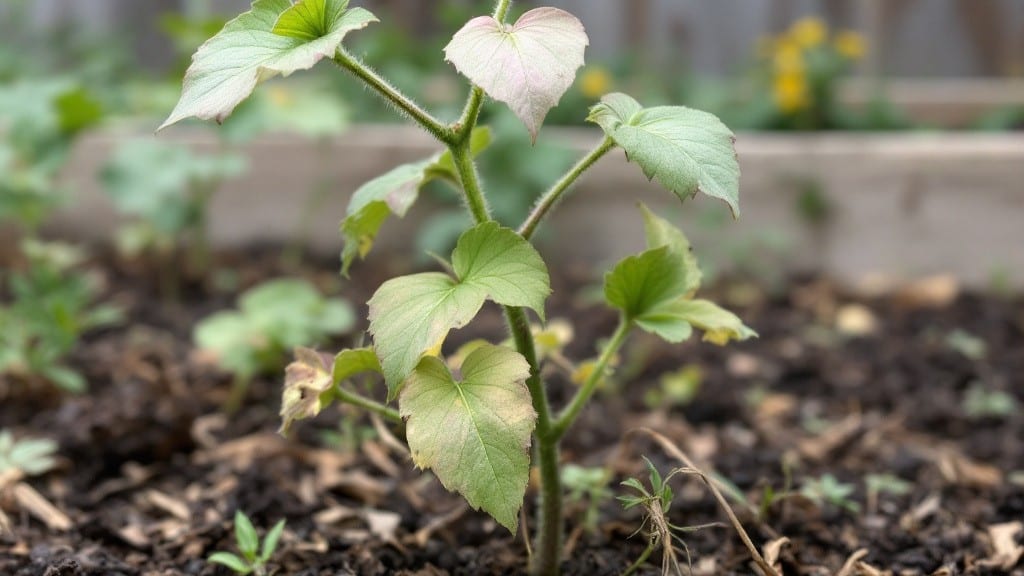
The identification of a redbud seedling begins with those signature heart-shaped leaves that look like nature’s own valentine—delicate, slightly fuzzy, and impossible to miss. they’re just a few inches tall.
These seedlings grow fast in spring, so catching them early means you can give them the perfect spot before they outgrow their nursery phase.
The real trick is telling them apart from other early spring seedlings like dogwood or hawthorn. Redbuds have smooth stems that develop horizontal cracks as they mature, while their leaves emerge coppery-red before turning vibrant green.
If you’re still unsure, check the seed pod: redbuds produce long, flat seed pods that stay on the tree well into winter, long after other trees have dropped theirs.
Once you’ve confirmed it’s a redbud, early care is simple: keep the soil lightly moist but never soggy, and give them partial shade until they’re a foot tall.
Transplanting works best in early spring or fall when roots are active but the weather’s mild—just dig a hole twice as wide as the root ball and water it in like you mean it.
Within a season, you’ll have a tree that blooms pink clouds in spring and stays stunning all year.
This guide covers everything from spotting seedlings in your yard to preparing them for their permanent home. Whether you’re restoring a woodland edge or just want a showstopper tree, these clues will help you grow redbuds that become the heart of your landscape. Let’s get those seedlings identified—and thriving!
Root Causes of Misidentification
Accurately identifying redbud seedlings can be tricky, especially for beginners or those unfamiliar with the species' distinctive yet subtle traits. Misidentification often stems from a mix of biological similarities with other trees, environmental factors, or simply overlooking key characteristics.
Below, we break down the most common reasons why confusion arises—and how to avoid falling into these traps.
The redbud’s heart-shaped leaves (scientifically called cordate) are its most iconic feature, but they’re not always easy to spot. Here’s why misidentification happens:
- Juvenile vs. Mature Leaves:
Redbud seedlings often start with lobed or slightly irregular leaves that resemble those of hickory or ash seedlings. As they mature, the leaves smooth out into the classic heart shape—but if you’re identifying a very young seedling, this transition can be missed.
💡 Pro Tip: Look for alternate leaf arrangement (one leaf per node, spiraling up the stem) rather than opposite or whorled patterns, which are common in misidentified species like dogwood.
- Seasonal Variations:
In spring, redbud leaves emerge deep pink to reddish-purple before turning green—a trait that can be mistaken for eastern red cedar seedlings or even maple saplings. By summer, the color fades, making identification harder if you’re not familiar with the full lifecycle.
✨ Key Clue: Snap a photo of the new growth in early spring. The vibrant color is a dead giveaway!
- Size Confusion:
Young redbud leaves are small (1–3 inches long), which can make them resemble serviceberry or wax myrtle seedlings. Without close inspection, the subtle differences in vein patterns or leaf texture are easy to overlook.
🔍 Actionable Fix: Use a hand lens (10x magnification) to examine leaf veins. Redbud leaves have prominent, curved secondary veins that arch toward the leaf tip.
The redbud’s peeling, mottled bark is another dead giveaway, but it’s often ignored because:
- Thin or Damaged Bark:
Seedlings may not yet have developed the classic exfoliating, patchwork bark of mature trees. Instead, their stems appear smooth and greenish-brown, similar to black cherry or persimmon seedlings.
🌡️ Temperature Matters: Bark peeling becomes more pronounced in warmer climates (USDA Zones 5–9). In cooler zones, it may take years to develop.
- Branch Angle Illusion:
Redbud branches grow at sharp angles (often upright or slightly zigzagging), which can be mistaken for bitternut hickory or shagbark hickory. However, these species have compound leaves (multiple leaflets per stem), while redbuds have simple leaves.
🎯 Quick Test: Break a twig—if it snaps cleanly with a green pith (not fibrous), it’s likely a redbud.
Redbuds are famous for their early spring blooms, but this trait can also lead to confusion:
- Blooming Before Leaves:
Redbuds flower in late winter to early spring (often February–March), producing pink, pea-like blossoms before leaves emerge. This can be mistaken for cherry blossoms or plum trees, which also bloom early but have white or darker pink flowers and different leaf shapes.
📅 Seasonal Calendar: If you see flowers in January, it’s not a redbud—those are likely winter jasmine or ornamental cherries.
- Seed Pod Overlooks:
After flowering, redbuds develop flat, papery seed pods (legumes) that persist into fall. These are often ignored because they’re small (1–2 inches long) and resemble locust or mesquite pods—but redbud pods are hairless and slightly curved.
🔥 Hidden Clue: Look for 3–5 seeds per pod arranged in a row. This is unique to redbuds!
Where and how a redbud grows can also skew identification:
- Hybridization Risks:
Redbuds (especially Eastern redbud, Cercis canadensis) can crossbreed with Western redbud (Cercis occidentalis) or Texas redbud (Cercis canadensis var. texensis). Hybrids may have intermediate leaf shapes or bark patterns, making them harder to pinpoint.
🌍 Geographic Check: Eastern redbuds thrive in moist, well-drained soils of the Eastern U.S.. If you’re in the Southwest, suspect a hybrid or Texas redbud.
- Pests and Disease Distortions:
Aphids, Japanese beetles, or powdery mildew can discolor or curl redbud leaves, making them resemble sumac or hawthorn seedlings. Always inspect the underside of leaves for signs of infestation.
🚨 Red Flag: If leaves are yellowing with black spots, it’s likely anthracnose disease, not a misidentification.
By understanding these biological quirks and environmental influences, you’ll sharpen your ability to spot redbud seedlings—even when they’re trying to hide in plain sight! 🌿🔍
Quick Fixes for Young Tree Confusion
If you’re staring at a cluster of seedlings and wondering, "Is this a redbud or just another young tree?"—don’t panic! With a few simple steps, you can confidently identify (and care for) your redbud saplings before they mature.
Below, we’ll tackle the most common causes of misidentification and provide clear, actionable solutions.
Problem: Young redbud leaves resemble those of other trees (like hawthorn or cherry), leading to confusion. Fix:
- 🔍 Step 1: Examine the Leaf Shape Redbud leaves are heart-shaped with smooth edges. Hold the leaf up to light—if it has visible veins that fork symmetrically from the center, it’s likely a redbud.
| Feature | Redbud | Look-Alikes (Hawthorn/Cherry) |
|---|---|---|
| Leaf Shape | Perfect heart, 2–4 inches long | Serrated (toothed) or elongated |
| Leaf Color | Bright green, turning golden-yellow in fall | Darker green or reddish |
| Arrangement | Alternate (spaced along the stem) | Opposite or clustered |
- 🍃 Step 2: Compare with Mature Leaves If the seedling’s leaves are too small to tell, snap a photo and compare it to a local arboretum’s redbud gallery. Many nurseries also offer leaf ID guides.
💡 Prevention Tip: Bookmark a tree ID app like PictureThis or iNaturalist. Snap a photo of the seedling, and the app will cross-reference leaves, bark, and buds for instant confirmation.
Problem: Young redbud bark can resemble sycamore or birch, especially if it’s not yet peeling. Fix:
- 🔪 Step 1: Gently Peel a Small Section Use your fingernail to lift a thin strip of bark. Redbud bark peels in horizontal ribbons, revealing a smooth, greenish-gray underlayer. Sycamore bark, by contrast, peels in larger, patchy sheets.
- ⏰ Step 2: Wait for Spring If the bark is still tight, wait until early spring. Redbuds burst into pink-purple blooms before leaves emerge—a dead giveaway. Other trees (like dogwood) bloom later or have white flowers.
🔥 Pro Tip: If the seedling is under 2 feet tall, the bark may not peel yet. Focus on the buds instead: redbud buds are oval and pointed, while hawthorn buds are round and fuzzy.
Problem: Trying to ID seedlings in winter or late fall when key features (like flowers or peeling bark) are absent. Fix:
- 📅 Step 1: Create a Seasonal Checklist
- Spring (March–April): Look for pink-purple flower clusters (redbud’s signature trait).
- Summer (June–July): Check for heart-shaped leaves and peeling bark.
- Fall (October–November): Note golden-yellow leaves (unlike maples, which turn red).
- Winter (December–February): Examine bud shape and bark texture.
- 🌡️ Step 2: Use a Reference Tree If you’re unsure, find a mature redbud tree in your area (common in parks or college campuses) and compare its seedlings to yours. Note differences in leaf size, flower color, and bark.
✨ Prevention Tip: Plant a tag or stake near your redbud seedlings in early spring. Label it with the tree’s name and the year planted. This eliminates future guesswork!
Problem: The seedling’s roots or overall structure isn’t matching your expectations. Fix:
- 👨🍳 Step 1: Dig a Tiny Test Hole Use a trowel to dig a 1-inch-deep hole near the base. Redbud roots are fibrous and shallow, spreading horizontally. Deep taproots (like in oaks) rule out redbud.
- 🔍 Step 2: Check for Seed Pods In late summer, redbuds produce long, flat seed pods (like tiny beans). If you spot these, your seedling is confirmed—even if the leaves look similar to other trees.
🎯 Final Verification: Cross-reference with a local field guide or ask a Cooperative Extension office. They often have pressed leaf samples or experts on hand for quick IDs.
With these fixes, you’ll go from “Is this a redbud?” to “Yes, and here’s how I know!” in minutes. Once identified, your seedlings are ready for proper care—like pruning for shape or protecting them from deer (who love young redbuds). Happy identifying! 🌿🔍
Frequently asked questions
How can I tell if a young seedling is a redbud versus dogwood or hawthorn?
Look for heart-shaped leaves with smooth edges and alternate arrangement (one leaf per stem node). Redbuds also have peeling bark that develops horizontal cracks as they mature, while dogwoods have opposite branching and hawthorns have serrated leaves. Check for pink-purple spring blooms before leaves emerge—this is a redbud signature!
What’s the best time of year to identify redbud seedlings?
Early spring (March-April) is ideal when pink-purple flowers appear before leaves. Summer reveals heart-shaped leaves and peeling bark, while fall shows golden-yellow foliage. Winter identification relies on bud shape and bark texture, though this is trickier. For fastest results, visit in bloom season!
Can I grow a redbud from a seed pod I found?
Yes! Collect flat, papery seed pods in late summer/fall, remove the seeds, and stratify them in moist sand in the fridge for 60-90 days to mimic winter. Plant in well-draining soil after stratification. Note: Seed-grown trees may take 5-10 years to bloom compared to nursery-grown seedlings.
Why are my redbud seedlings’ leaves turning yellow?
Yellowing could indicate overwatering (check soil moisture), nutrient deficiency (try balanced fertilizer), or anthracnose disease (black spots on leaves). Redbuds prefer moist but well-drained soil—avoid soggy conditions. If spots appear, prune infected leaves and apply fungicide.
How tall should redbud seedlings be before transplanting?
Transplant when seedlings reach 12-18 inches tall (typically spring or fall). Dig a hole twice as wide as the root ball and water thoroughly. Redbuds thrive in partial sun and adaptable soils, but avoid waterlogged areas. Early transplanting gives them time to establish before summer heat.