
Lawn
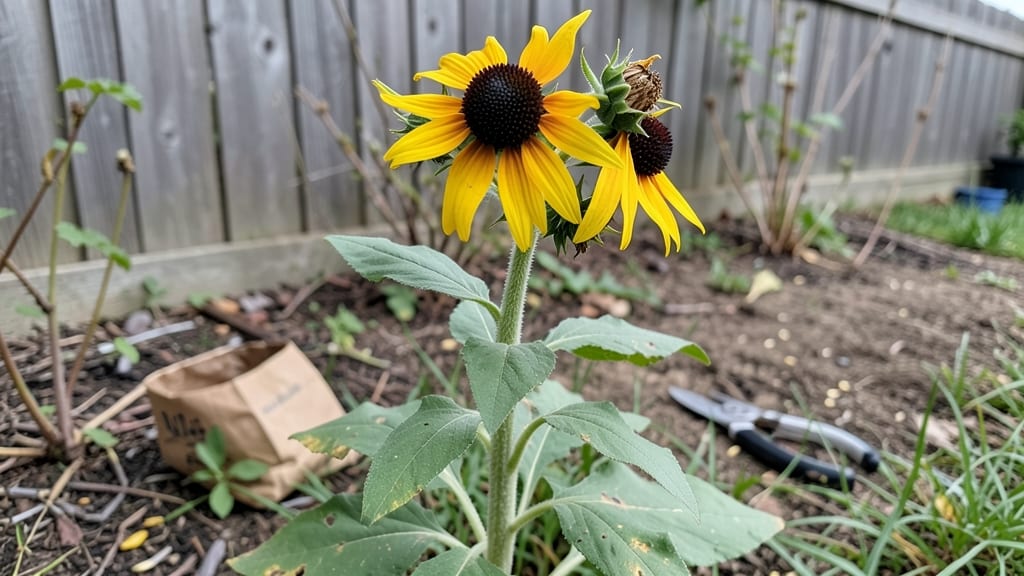
The rudbeckia seed collection you’ll want to start with those papery brown seed heads in late summer or early fall—just wait for the petals to fade away. 🌻 I’ve learned that patience here means better germination later, so don’t rush it.
You’ll need just a few simple supplies: a pair of clean scissors or pruners, paper bags for drying, and a dry, dark spot for storage.
The process itself takes about 2-3 weeks from harvest to storage-ready seeds, and it’s a great way to preserve your favorite varieties without buying new ones every season.
Once dried, the seeds will rattle inside their heads when you shake them—this is your cue that they’re ready. Store them in an airtight container in the fridge, and they’ll stay viable for 2-3 years.
Imagine planting these next spring and watching those cheerful blooms return, just as vibrant as ever.
This method works for all rudbeckia types, whether you’re growing the classic golden varieties or the newer burgundy or green-flowered cultivars. It’s a small effort with big rewards for your garden’s future.
📚 In This Guide
- What you need
- Instructions
- Tips and common mistakes
- Wrapping up and next steps
What you need
- ● Mature rudbeckia plants (preferably Rudbeckia hirta or Rudbeckia fulgida with fully dried seed heads—brown and papery).
- ● Pruning shears or sharp scissors (clean, sterilized to prevent disease spread).
- ● Paper bags or brown lunch bags (4–6 bags, 1 gallon size each, for seed collection).
- ● Newspaper or cardboard (1–2 sheets, for drying seeds indoors).
- ● Small mesh bags or envelopes (breathable fabric or paper, for long-term storage).
- ● Permanent marker (to label seeds with plant variety and date).
- ● Air-tight containers (e.g., mason jars or resealable plastic bags with silica gel packets, for storage).
- ● Glove (to protect hands from prickly seed heads).
- ● Fan or dehumidifier (to speed up drying if humidity is high).
- ● Seed catalog or notebook (to track varieties and germination notes).
- ● Desiccant packets (extra for storage to absorb moisture).
- ● Plant labels (if saving seeds for multiple rudbeckia types).
Step-by-step instructions for collecting rudbeckia seeds
Here’s how I preserve rudbeckia seeds year after year—simple, foolproof, and ready for next season’s garden.
🌿 Step 1: Identify and Harvest Mature Seed Heads
Wait until the flower heads turn brown and the petals drop completely, leaving behind the spiky green seed centers. These are your seed heads. I like to harvest on a dry morning after the dew has evaporated—wet seeds stick to fingers and tools, making cleanup a mess.
Use clean, sharp pruning shears to snip the entire seed head, leaving about 2 inches of stem attached. This extra stem helps the seed head dry properly without falling apart. Place the harvested heads in a paper bag (not plastic) to allow airflow while they dry.
🌱 Step 2: Dry the Seed Heads Thoroughly
Hang the seed heads upside down in a dry, well-ventilated space for 2-3 weeks. I use a mesh bag or a straw hat hung from a hook in my garage—somewhere with 60-70°F temperatures and no direct sunlight. The stems will turn brittle, and the seed heads will rattle when shaken.
Check daily for mold or pests. If you see any, move the heads to a different location immediately. Once the seeds are fully dry, they’ll easily pop out of the seed heads when squeezed gently. This is your cue that they’re ready for storage.
⏰ Step 3: Extract and Store the Seeds Properly
Spread the dried seed heads on a clean sheet of newspaper or a paper towel. Rub the seed heads between your palms or use a fork to gently scrape out the seeds. Discard any debris or empty seed casings. Rudbeckia seeds are small and dark brown—think of them as tiny, crunchy popcorn kernels.
Store the seeds in a labeled envelope or small glass jar with a tight-sealing lid. Place the container in a cool, dark spot like a pantry or fridge, where the temperature stays below 40°F. This slows seed aging and keeps them viable for up to 3 years.
🌱 Step 4: Test Seed Viability Before Planting Next Season
Before you rush to plant, test a few seeds to ensure they’re still good. Sprinkle 5-10 seeds on a damp paper towel, fold it over, and place it in a sealed plastic bag. Keep it in a warm spot (70°F) for 7-10 days). If most seeds sprout, your stored batch is ready for the garden.
If germination is slow or weak, try storing the seeds in the fridge for another month before testing again. Rudbeckia seeds often need a period of cold stratification to break dormancy—nature’s way of timing their growth for the perfect moment.
Tips & tricks for perfect rudbeckia seed collection
Mastering rudbeckia seed collection takes patience and attention to detail—here’s how to avoid common pitfalls and maximize your yield.
Timing is Everything: Harvest seed heads only after the petals have completely fallen away and the centers turn brown. I’ve learned the hard way that harvesting too early means immature seeds that won’t store well. Wait until the seed heads feel dry to the touch—this usually happens in late summer or early fall, depending on your climate.
Drying Conditions Matter: The 2-3 weeks of drying at 60-70°F is non-negotiable for seed viability. I’ve had the best luck using a mesh bag hung in my garage, where airflow circulates naturally. Avoid damp areas—even slight humidity can cause mold. If your space is cooler, extend the drying time by a week or two to prevent moisture retention.
Storage Temperature Secrets: Keeping seeds below 40°F is crucial for long-term viability. I store mine in the back of my fridge where it stays consistently cool. The fridge’s humidity also helps prevent the seeds from drying out too much over time. Label your containers with the date to track freshness—seeds stored properly can last up to 3 years!
Viability Test Shortcut: The germination test using 5-10 seeds on a damp paper towel is your quality control step. I like to place the bag near a sunny window (but not in direct light) to encourage sprouting. If fewer than half sprout in 7-10 days, your seeds may need additional cold stratification—just pop them in the fridge for another month before testing again.
Pro Tips for Rudbeckia Seed Collection
- Mastering rudbeckia seed collection takes patience and attention to detail—here’s how to avoid common pitfalls and maximize your yield.
- Timing is Everything: Harvest seed heads only after the petals have completely fallen away and the centers turn brown.
- Drying Conditions Matter: The 2-3 weeks of drying at 60-70°F is non-negotiable for seed viability.
Frequently asked questions
Got questions about collecting rudbeckia seeds?
You’re not alone! Here are some of the most common queries—and their easy answers—to help you master the process like a pro.
When is the best time to collect rudbeckia seeds?
Collect seeds when the flower heads turn brown and dry, usually late summer to early fall (August–October in most regions). Wait until the seed pods split open naturally—this ensures full maturity and viability. Pro tip: A gentle tug should release seeds easily.
How long can I store rudbeckia seeds before planting?
Rudbeckia seeds stay viable for 1–2 years if stored properly in a cool, dry place (like a sealed envelope or jar). For best results, plant them within 6–12 months. Pro tip: Label your seeds with the collection date to track freshness!
What if my rudbeckia seeds don’t germinate?
Try these fixes:
- Cold stratification: Place seeds in the fridge for 4–6 weeks before planting to mimic winter.
- Light exposure: Rudbeckia seeds need light to germinate—don’t bury them deep!
- Freshness check: Older seeds (over 2 years) may lose viability.
Can I collect seeds from hybrid rudbeckia varieties?
Yes, but expect unpredictable results—hybrids may not grow true to the parent plant. For consistent blooms, buy certified seeds or propagate from cuttings. Pro tip: Stick to heirloom or open-pollinated varieties for reliable seed-saving!
Do I need to clean rudbeckia seeds before storing?
Not strictly necessary, but removing debris (like chaff or stems) extends seed life. Simply shake dried heads over a tray, then winnow with a fan or sieve. Store seeds in a paper envelope (breathable!) to prevent moisture buildup.
Wrapping up and next steps
Collecting rudbeckia seeds is a rewarding way to ensure your garden stays vibrant year after year! With the right timing, tools, and storage methods, you’ll have a head start on next season’s black-eyed Susans—saving money and effort.
Whether you’re a seasoned gardener or just starting, every seed you save is a promise of future blooms.
Now that you’re equipped with the know-how, grab those dried seed heads and get storing! Try planting a few this fall for a surprise burst of color next spring. Happy gardening! 🌻🌱