
Mower
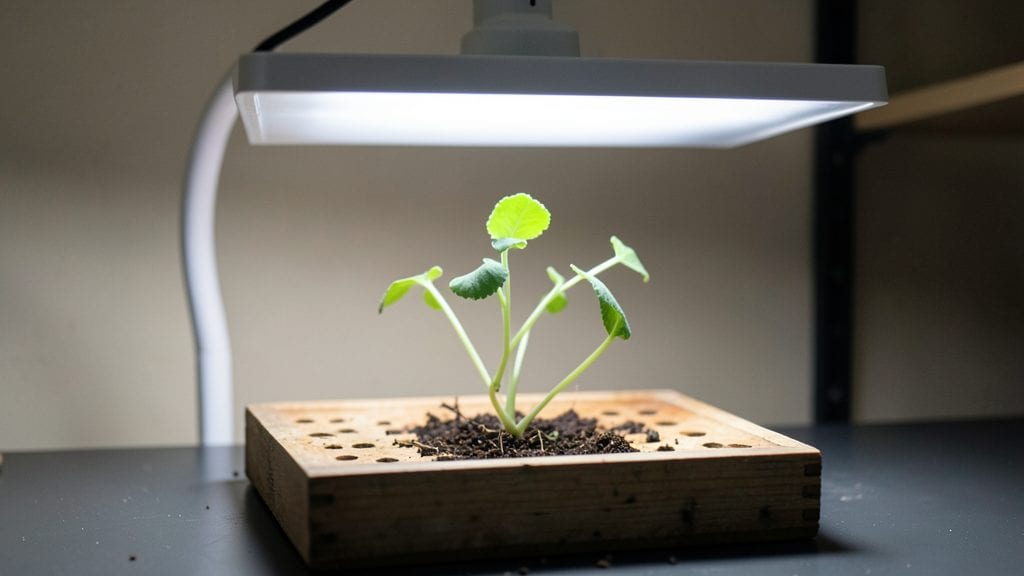
Seeing a seedling bent over like it’s bowing to gravity isn’t the end—it’s just a call for a quick, easy rescue. Most of the time, it’s just light, water, or space playing tricks on them.
The culprits? Too little sunlight stretching them toward the light, overcrowding that leaves them struggling for air, or uneven watering that weakens their stems. Even pests like aphids or fungal infections can sneak in and cause that telltale lean.
The good news is, once you spot the problem, you can turn things around fast.
Within a few days of adjusting their environment—more light, better spacing, or a gentle stake to support them—you’ll see them straighten up and grow strong. No more sad, floppy seedlings; just sturdy plants ready to thrive. Here’s how to diagnose and fix it before it becomes a bigger issue.
This works for tomatoes, peppers, herbs, or any seedling that’s lost its posture. The key is acting fast—before the bend turns into a permanent crook. Let’s get those little guys standing tall again.
Root Causes Of Weak Seedling Growth
Understanding why your seedlings bend over is the first step to saving them—and your garden! 🌱💪 Most cases stem from environmental stress or improper care. Below, we break down the top scientific reasons behind this common issue, along with actionable insights to correct them.
Seedlings are delicate, and extreme temperatures can weaken their stems, causing them to flop or bend under their own weight.
- Cold Stress (Chilling Injury): When seedlings experience below 50°F (10°C), their cell membranes can rupture, reducing rigidity.
Cold also slows photosynthesis, leaving stems weak and unable to support new growth. - Signs: Purple or yellowing leaves, stunted growth, a "leggy" or limp appearance. - Fix: Use row covers or seedling heat mats to maintain soil temps between 65–75°F (18–24°C).
Avoid placing seedlings in drafty areas or near cold windows.
- Heat Stress (Wilting): High temperatures (above 85°F/29°C) cause transpiration (water loss) to outpace absorption, leading to flaccid stems.
Heat also accelerates ethylene production, a plant hormone that weakens cell walls. - Signs: Drooping leaves, crispy edges, or seedlings leaning toward shade. - Fix: Provide shade cloth (30–50%) and increase humidity with a misting system or pebble tray. Water deeply in the early morning to reduce evaporation.
Waterlogged soil deprives roots of oxygen, leading to root rot and structural weakness in stems. Even slight overwatering can cause seedlings to lean or collapse as they struggle to stay upright.
- Why It Happens:
- Anaerobic conditions (lack of oxygen) force roots to ferment, producing ethanol, which is toxic to cells.
- Weak roots can’t anchor the seedling, causing it to topple over or grow spindly in search of light.
- Signs: Yellowing leaves, mushy stems, or seedlings that fall over easily when touched.
- Fix:
- Use well-draining soil mixes (50% peat/potting mix + 50% perlite or vermiculite).
- Water only when the top inch is dry—stick your finger in the soil to check!
- Pot up seedlings if they’re in compacted or waterlogged trays.
When seedlings don’t get enough bright, indirect light, they stretch toward any available source (even artificial light), weakening their stems and causing them to bend or snap.
- How It Works:
- Low light triggers etiolation, where seedlings grow long, thin stems with small leaves to maximize light absorption.
- These stems lack lignin (the compound that strengthens plant cell walls), making them brittle and prone to bending.
- Signs: Tall, thin seedlings with tiny leaves, leaning toward a window or light source.
- Fix:
- Move seedlings to a south-facing window or under grow lights (12–16 hours/day).
- Use reflective surfaces (like aluminum foil on walls) to bounce light and reduce stretching.
- Rotate trays daily to ensure even growth.
Even gentle breezes can stress young seedlings, causing them to bend at the base or grow unevenly. Strong winds can break stems or bury seedlings under soil, stunting growth.
- Why It Matters:
- Seedlings lack mechanical support until their vascular system matures (usually 2–3 weeks after germination).
- Wind desiccates leaves (dries them out), reducing photosynthesis and weakening stems.
- Signs: Seedlings leaning in one direction, broken stems, or crushed leaves.
- Fix:
- Create a microclimate with bamboo stakes or small cages to shield seedlings.
- Use a fan on low speed (if indoors) to strengthen stems through gentle wind acclimation (start with 1 hour/day).
- Outdoors? Plant in a sheltered spot or use cloche covers until seedlings are sturdy.
Improper fertilization can disrupt cell wall development, leading to weak, bendable stems. Both deficiencies and excesses play a role.
- Nitrogen Overload:
- Too much nitrogen promotes leafy growth but weakens stems by diverting energy away from structural development.
- Signs: Dark green leaves with thin, rubbery stems that easily bend.
- Fix: Use a balanced fertilizer (10-10-10 or 5-5-5) and dilute to half-strength for seedlings.
- Phosphorus or Calcium Deficiency: - Phosphorus is crucial for root and stem development; a lack causes stunted, weak growth. - Calcium strengthens cell walls—without it, stems become soft and prone to bending (a condition called "blossom end rot" in some plants). - Signs: Purple stems, crispy leaf edges, or seedlings that collapse when touched. - Fix: Add bone meal (for phosphorus) or crushed eggshells (for calcium) to the soil.
Avoid synthetic fertilizers high in potassium until seedlings are established.
Hidden pests or pathogens can chew stems, sap nutrients, or infect tissues, causing seedlings to wilt, bend, or break.
- Common Culprits:
- Aphids, Spider Mites, or Thrips: Pierce stems/leaves, injecting toxins that weaken structural integrity.
- Fungal Infections (Damping Off): A soil-borne fungus that rots stems at the base, causing seedlings to topple over.
- Wireworms or Cutworms: Chewing pests that sever stems at night, leaving seedlings bent or severed.
- Signs: Holes in stems, sticky residue (honeydew), mushy bases, or sudden wilting.
- Fix:
- Inspect seedlings daily under leaves and stems.
- Spray with neem oil (for pests) or copper fungicide (for damping off).
- Remove affected seedlings and sterilize tools to prevent spread.
Fixing Weak Seedling Stems Fast
A bent-over seedling isn’t just a cosmetic issue—it’s a sign your young plant is struggling to stand tall. The good news? Most causes have simple, effective fixes. Below, we’ll break down the most common reasons for weak stems and show you how to straighten, strengthen, and prevent future bending.
No fancy tools or gardening degrees required—just practical steps for busy gardeners!
Cause: Seedlings competing for nutrients and light in tight quarters can lean or flop as they stretch toward sunlight.
How to Fix It:
- 🔍 Gently inspect the base of your seedlings. If roots are tangled or growing in a dense cluster, it’s time to separate them.
- 👩🌾 Use a small fork or your fingers to carefully tease apart roots without damaging the stems.
- 📏 Space them out—follow the seed packet’s recommended distance (usually 2–4 inches apart for most veggies and herbs).
- 💧 Water lightly afterward to help roots settle into their new space.
Prevention Tip: 💡 Sow seeds in modules or small pots (like egg cartons) before transplanting. This gives roots room to grow without crowding.
Cause: Strong breezes, pets, or even curious kids can knock seedlings over, causing them to bend permanently as they grow.
How to Fix It:
- 🛠️ Gather supplies: Toothpicks, chopsticks, popsicle sticks, or even bent wire from a coat hanger.
- 🎨 Create a mini trellis: Insert sticks gently into the soil around the seedling, leaving a small gap for the stem to grow through.
- 🔄 Secure loosely—avoid squeezing the stem. Think of it like a supportive hug, not a straitjacket.
- 🌿 As the seedling grows, adjust the supports to keep it upright.
Prevention Tip: 🌡️ Move seedlings to a sheltered spot (like near a fence or under a shade cloth) until they’re sturdy enough to handle wind.
Cause: Young seedlings exposed to intense midday sun can grow lanky and weak, leading to bending as they reach for light.
How to Fix It:
- 🌿 Provide partial shade using a lightweight row cover, sheer curtain, or even a piece of white fabric draped over a hoop.
- ⏰ Gradually acclimate seedlings to full sun over 5–7 days to avoid shock.
- 💧 Water deeply in the morning to keep soil moist, which helps stems stay firm.
Prevention Tip: ✨ Start seeds indoors under grow lights or in a sunny windowsill, then harden them off before transplanting outside.
Cause: Soggy soil can weaken stems, making them floppy or prone to bending as they struggle to support their own weight.
How to Fix It:
- 🧤 Check the soil: Stick your finger 1 inch deep—if it’s damp, wait before watering.
- 🚰 Improve drainage: Mix in perlite, sand, or compost to loosen heavy soil.
- 🍵 Water at the base (not overhead) to avoid wetting leaves, which can lead to disease and weak growth.
- 🌱 Use a moisture meter if you’re unsure—most seedlings prefer soil that’s moist but not waterlogged.
Prevention Tip: 🎯 Use well-draining pots (like terracotta or fabric grow bags) if starting seeds indoors.
Cause: Weak stems often signal a lack of nitrogen (for leaves) or phosphorus (for root strength).
How to Fix It:
- 📊 Test your soil (or use a simple at-home kit) to check pH and nutrient levels.
- 🌿 Add a balanced fertilizer (like 10-10-10) diluted to half-strength to avoid burning delicate roots.
- 🥗 For organic options, try:
- Compost tea (rich in microbes)
- Fish emulsion (for nitrogen)
- Bone meal (for phosphorus)
- 🍂 Wait 3–5 days before reapplying fertilizer to avoid overdoing it.
Prevention Tip: 💪 Side-dress with compost every 2–3 weeks to keep nutrients flowing without shocking the plant.
If your seedling is already bent at a sharp angle, it may not straighten on its own. Here’s how to gently guide it: 1. ✂️ Trim the top (if the bend is severe) to encourage new, straighter growth from lower buds.
- 🧤 Use a small stake to slowly coax the stem upright over 3–5 days—don’t force it!
- 🌱 Monitor progress and adjust supports as needed.
Remember: Patience is key! Seedlings recover faster when given consistent care, not drastic changes. With these fixes, your bent-over babies will be standing tall in no time—ready to grow into strong, productive plants. 🌱💪
Frequently asked questions about bent seedlings
Why do my seedlings suddenly bend over like they're bowing?
Most bent seedlings are reacting to environmental stress—like too much wind, uneven watering, or poor light. They may also be suffering from root crowding (competing for space) or nutrient deficiencies (like calcium or phosphorus). Check for these common triggers first.
Can I fix a severely bent seedling, or is it too late?
Not too late! Gently stake the stem with a toothpick or chopstick and trim the top if the bend is sharp. Over 3-5 days, the seedling will often grow straighter from lower buds. Avoid forcing it—let nature guide the recovery.
How do I prevent seedlings from leaning in the first place?
Start with proper spacing (2-4 inches apart) and bright, indirect light (12-16 hours/day). Use small supports (like toothpicks) early, and avoid overwatering. A gentle fan (1 hour/day) can also toughen stems before transplanting.
What's the difference between a bent seedling and a leggy one?
Bent seedlings usually lean or collapse due to physical stress (wind, weak roots), while leggy seedlings stretch tall and thin from poor light. Both need help, but leggy ones need more light, while bent ones need support or better growing conditions.
Is it safe to transplant a bent seedling?
Yes, but handle with care—avoid bending the stem further. Water thoroughly before and after transplanting, and stake it immediately to prevent permanent damage. Choose a sheltered spot for the first few days to help it recover.