
Container Gardens
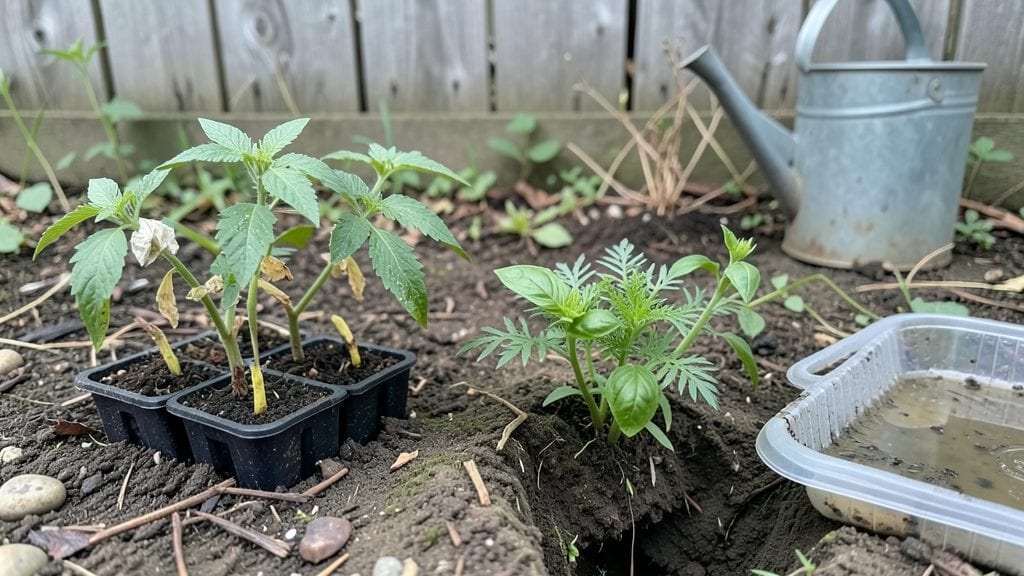
"Seeds not growing can feel like a mystery, but cold stratification is the secret weapon for breaking dormancy in stubborn seeds. 🌱 I’ve saved dozens of seed packets from the trash by mimicking winter’s natural chilling process—no fancy equipment needed.
The key is recreating the exact conditions that trigger germination, whether it’s a forgotten packet of wildflower seeds or heirloom tomatoes that refuse to sprout.
Most seeds fail because they’re stuck in a dormant state, waiting for the right temperature shift. Too-warm soil or a dry seedbed tricks them into thinking it’s not time to grow.
Cold stratification tricks them into thinking winter’s over—just place seeds in a damp paper towel, seal them in a plastic bag, and refrigerate for 2-12 weeks depending on the seed type. Test viability first by soaking seeds overnight; if they swell, they’re still alive and ready for the cold treatment.
Once you’ve cracked the dormancy code, you’ll see sprouts emerge within 7-21 days—faster and more reliably than ever before. The payoff? A garden bursting with plants that would’ve otherwise stayed buried forever.
This trick works for everything from maple trees to delicate alpine flowers, proving dormancy isn’t a curse but a puzzle waiting to be solved.
No more guessing games with germination. Whether you’re dealing with finicky perennials or temperamental vegetables, this method turns "seeds not growing" into a thing of the past. Ready to unlock the full potential of your seed stash?"
Hidden Barriers To Germination
When your seeds refuse to sprout, the issue often lies in unseen factors that disrupt their natural growth signals. Understanding these roadblocks is the first step to reviving your planting success. Let’s break down the most common culprits—and how they silently sabotage your seeds.
Many seeds, especially those from wild plants or temperate climates, enter a state called dormancy—a survival mechanism to wait for ideal conditions. This can happen due to:
- Hard seed coats: Some seeds (like beans or peas) have thick, waterproof layers that block moisture absorption. Without scarification (scratching or soaking), water can’t penetrate, and the seed stays dormant.
- Chemical inhibitors: Certain seeds produce compounds that suppress germination until exposed to light, temperature shifts, or microbial activity in the soil.
- After-ripening requirements: Seeds like Echinacea or Delphinium need time to mature inside the fruit before they’re ready to sprout. Planting them too soon = no action.
💡 Pro Tip: Cold stratification (chilling moist seeds in the fridge for weeks) mimics winter conditions and tricks many dormant seeds into breaking their slumber. For tough coats, try nicking them with sandpaper or soaking in warm water for 24 hours.
Seeds have optimal temperature ranges for germination—step outside those, and they’ll stall. Here’s how it plays out:
| Issue | Why It Happens | Fix It |
|---|---|---|
| Too cold (<60°F) | Metabolic processes slow or halt. Enzymes that kickstart growth become inactive. | Use a seedling heat mat (70–90°F) or move containers to a warmer spot (like on top of the fridge). |
| Too hot (>95°F) | Proteins and cell membranes denature, and seeds may rot before sprouting. | Avoid direct sunlight on seed trays. Use a humidity dome or misting bottle to prevent overheating. |
| Inconsistent temps | Fluctuations confuse the seed’s internal clock, delaying or preventing germination. | Keep seeds in a consistent environment (e.g., a propagator or under grow lights). |
🌡️ Quick Check: Most veggie seeds (tomatoes, peppers) thrive at 70–85°F, while cool-season crops (lettuce, carrots) prefer 60–70°F. Check seed packets for specifics!
Water is the spark that ignites germination—but get it wrong, and seeds either suffocate or dry into husks. The balance is delicate:
- Underwatering: Seeds shrivel or fail to absorb enough moisture to activate enzymes. Soil can appear dry on the surface but still hold trapped air.
- Overwatering: Oxygen is crowded out, leading to anaerobic conditions (no air = no respiration = seed death). Fungal growth can also smother sprouts.
- Poor drainage: Compacted or clay-heavy soil traps excess water, causing seeds to rot before they germinate.
💧 Actionable Fixes:
- Use a spray bottle to mist seeds lightly until the soil is evenly damp (not sodden).
- Bottom-water trays to encourage capillary action without surface pooling.
- Add perlite or vermiculite (20%) to potting mix to improve aeration.
- Cover trays with plastic wrap or a humidity dome to retain moisture without drowning seeds.
Some seeds need darkness to germinate (like tomatoes or basil), while others (e.g., lettuce or petunias) require light to trigger sprouting. Mix this up, and you’re asking for trouble:
- Light-sensitive seeds planted too deep: They won’t detect surface light cues and may never wake up.
- Darkness-loving seeds exposed to light: Their germination hormones (like gibberellins) stay suppressed.
- Weak or artificial light: LED grow lights with poor red/far-red spectrum ratios can confuse seeds.
🔦 Light Rules:
- Plant light-needy seeds (e.g., parsley, spinach) just ¼ inch deep.
- Cover darkness-loving seeds with 1–2 inches of soil or use a small tray lid.
- For artificial light, use a full-spectrum bulb (like a 6500K LED) 6–12 inches above seeds.
Healthy soil teems with microbes, but when conditions favor pathogens, they can outcompete beneficial bacteria and release toxins that:
- Block water uptake through seed coats.
- Consume oxygen, creating suffocating conditions.
- Produce ethylene gas, which signals seeds to stop germinating.
🧪 Prevention Tips:
- Sterilize soil with baking soda (1 tbsp per gallon of water) or a 5-minute microwave sterilization (for small batches).
- Avoid overcrowding seeds—give them 1–2 inches of space to reduce humidity buildup.
- Use neem oil (1 tsp per gallon) as a preventative fungicide before planting.
Revive Your Seeds Naturally
Now that you know why your seeds might be stubbornly refusing to sprout, it’s time to roll up your sleeves and take action! The good news? Most seed dormancy issues have simple, effective fixes—often with just a few tweaks to your approach.
Below, we’ve mapped out practical solutions for each common cause, plus prevention tips to keep your future plantings thriving. Let’s get growing!
Cause: Many seeds (like poppies, delphiniums, or some wildflower varieties) need a winter-like chill to break dormancy. Solution:
- 🔥 Mix seeds with damp peat moss or sand in a sealed plastic bag or container.
- 🥶 Place the bag in the fridge (or outdoors in a protected spot if temps drop below 40°F/4°C) for 4–12 weeks, depending on the seed type.
- 🌱 Plant after stratification—sow directly in soil or start indoors under grow lights.
- ⏰ Pro Tip: Check the seed packet for specific stratification times (e.g., 6 weeks for foxgloves, 8 weeks for lupines).
Prevention:
- Label your seeds with stratification needs before storing.
- Use a seed stratification kit for convenience (great for gardeners with limited fridge space).
Cause: Too little or too much water can suffocate seeds or prevent germination. Solution:
- 🍳 For dry soil:
- Pre-soak seeds in warm water for 12–24 hours (especially hard-coated seeds like peas or beans).
- 👨🍳 Use a spray bottle to mist soil gently—avoid drowning seeds with heavy watering.
- 🌡️ Keep soil consistently moist (like a damp sponge) but not soggy.
- 🥘 For waterlogged soil:
- ⏰ Let soil dry slightly between waterings—seeds need air too!
- 🔪 Improve drainage by mixing in perlite or sand to potting soil.
- 🌱 Plant in raised beds or containers if your garden holds excess moisture.
Prevention:
- 📊 Test your soil’s moisture by squeezing a handful—if water drips out, it’s too wet.
- 🎯 Use a moisture meter for precision (especially in humid climates).
Cause: Seeds need the right balance of warmth and light to wake up. Solution:
- 🌡️ Warmth-loving seeds (tomatoes, peppers, marigolds):
- 🔥 Start indoors with a seedling heat mat (70–85°F/21–29°C).
- 💡 Use a grow light 12–16 hours/day (natural sunlight alone may not be enough in early spring).
- 🌱 Cool-season seeds (lettuce, spinach, carrots):
- 🥶 Plant directly outdoors in spring/fall when soil temps are 40–70°F (4–21°C).
- ✨ Avoid transplant shock—harden off seedlings gradually if starting indoors.
Prevention:
- 💡 Monitor temperature with a soil thermometer (cheap and lifesaving!).
- 🎯 Rotate seed trays under grow lights to prevent leggy seedlings.
Cause: Mold, rodents, or insects can sabotage germination before seeds even sprout. Solution:
- 🍳 Prevent mold:
- 🔥 Use sterile soil (bake potting mix at 200°F/93°C for 30 mins to kill fungi).
- 👨🍳 Add a thin layer of sand on top of seeds to deter mold spores.
- 🌡️ Avoid overcrowding—space seeds per packet instructions.
- 🥘 Deter pests:
- 🔪 Store seeds in airtight containers (mice love fresh seed packets!).
- ⏰ Sprinkle diatomaceous earth lightly on soil if slugs or ants are a problem.
Prevention:
- 📊 Inspect seed packets for holes or damage before planting.
- 🎯 Plant repellent herbs (like basil or dill) near seedling trays.
Cause: Old seeds or planting too deep can fail to germinate. Solution:
- 🔥 Test seed viability:
- 🍳 Float test: Drop seeds in water—sinkers are viable, floaters are likely dead.
- 👨🍳 Paper towel test: Moisten a paper towel, place seeds between two, and fold. Store in a bag for 3–5 days—sprouted seeds are good to plant!
- 🌱 Plant at the right depth:
- 🌡️ Tiny seeds (like basil or snapdragons): Press lightly into soil (no covering needed).
- 🥘 Medium seeds (beans, sunflowers): Plant 1–2 times their width deep.
- ⏰ Large seeds (peanuts, squash): Bury 2–3 times their width deep.
Prevention:
- 📊 Label seeds with planting dates—most stay viable for 1–5 years (check packets!).
- 🎯 Store seeds in a cool, dark place (like a sealed jar in the fridge).
💡 Bonus Pro Tip: If all else fails, try scarification (lightly sanding or nicking hard seed coats) for seeds like okra or lotus—it mimics natural wear and tear to trigger germination!
Remember: Patience is key—some seeds take weeks to sprout. Keep soil conditions stable, and soon you’ll see those first tiny leaves pushing through! 🌱✨
Frequently asked questions
Why do some seeds take so long to germinate?
Many seeds enter a natural dormancy phase that can last weeks or even months. Cold-weather seeds (like poppies or foxgloves) often need 4-12 weeks of cold stratification to break dormancy. Tropical seeds may take 2-4 weeks because they require consistent warmth. Always check seed packets for specific timing.
How can I tell if my seeds are still viable?
Try the paper towel test: Place seeds between damp paper towels in a sealed bag for 3-5 days. If they sprout, they're good to plant. For a quick check, do the float test—drop seeds in water; sinkers are viable while floaters are likely dead.
What's the best way to store seeds for next year?
Keep seeds in a cool, dark place (like a sealed jar in the fridge) with a desiccant packet to prevent moisture. Most seeds stay viable for 1-5 years—check packet instructions. Label everything with the variety and date!
Can I use regular fridge space for seed stratification?
Yes! Mix seeds with damp peat moss in a sealed container and place it on your fridge's vegetable drawer for 4-12 weeks. Avoid the freezer—consistent 34-40°F is ideal. Check periodically to ensure the mix stays moist but not soggy.
What should I do if my seeds mold before germinating?
Mold means your seeds need better airflow. Start fresh with sterile soil (bake potting mix at 200°F for 30 minutes) and space seeds properly. Use a humidity dome instead of plastic wrap, and avoid overwatering—seeds need air to breathe!