
Lawn
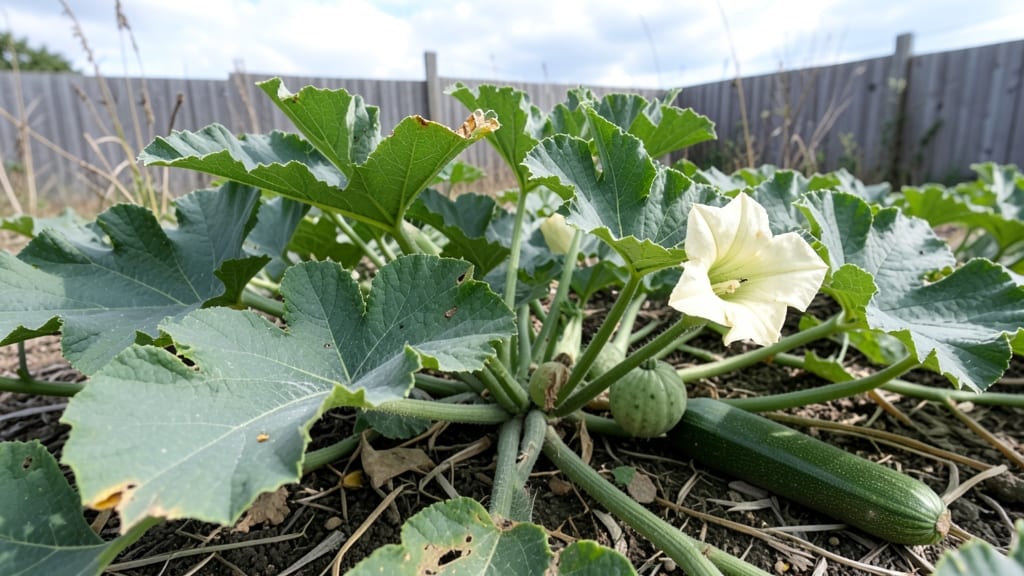
Mastering squash seed identification before planting ensures you grow the perfect variety—starting with the clues hidden in your palm. while winter squash seeds (butternut, acorn) tend to be rounder and darker.
I’ve learned that seed shape alone can tell you whether you’ll harvest tender summer squash or hard-shelled winter varieties.
Seed packets often include tiny photos, but don’t rely on them—real seeds vary. Instead, focus on size: summer squash seeds are smaller than a pencil eraser, while winter squash seeds can be nearly twice as big.
Color matters too: heirloom seeds often show rich, earthy tones, while hybrids might look uniform and pale. I once bought what I thought was a zucchini seed packet, only to grow a 20-pound butternut—seed shape would’ve saved me that mistake.
Once you recognize these traits, you’ll know exactly what to expect in your garden. Summer squash plants spread wide and produce quickly, while winter squash vines grow longer and take months to mature.
The right seeds mean fewer surprises and a harvest tailored to your space and timeline. Let’s break down the key visual clues so you can pick with confidence.
This guide works for any outdoor garden, whether you’re planting in raised beds, containers, or open soil. The same seed traits apply no matter your growing setup—so you’ll always know what’s coming before you even plant. Ready to become a seed-sleuth?
📚 In This Guide
- What you need
- Instructions
- Tips and common mistakes
- Wrapping up and next steps
What you need
- ● Fresh or dried squash seeds – Collect seeds from ripe squash (avoid genetically modified varieties if possible for accurate ID).
- ● Magnifying glass (10x magnification) – Helps examine fine details like texture, ridges, and tiny markings.
- ● Ruler or caliper (measuring up to 1 inch) – For precise seed length/width measurements.
- ● White or light-colored tray or plate – Provides a neutral background for better color contrast.
- ● Soft-bristle brush or cotton swab – Gently removes debris from seeds without damaging them.
- ● Notebook or digital device (phone/tablet) – For recording observations (shape, color, size, and notes).
- ● Seed identification guidebook or app – Useful for cross-referencing (e.g., Seed Savers Exchange catalog or Heirloom Seed Library resources).
- ● Small containers with lids (e.g., plastic or glass jars) – Store seeds in labeled batches to avoid mix-ups.
- ● Digital microscope or macro lens – Captures ultra-close-up images for detailed analysis.
- ● Color swatch chart – Helps match seed hues to standardized color references.
- ● Moisture meter or humidity tray – Ensures seeds are dry enough for long-term storage.
- ● Seed catalog or variety database – For comparing your findings with known squash varieties.
- ● Labeling stickers and permanent marker – Organize seeds by variety, harvest date, or location.
Step-by-Step guide to identifying squash seeds by visual clues
Learning to recognize squash seeds by shape, color, and texture saves money and ensures you plant the right varieties.
Examine Seed Shape for Variety Clues
Squash seeds come in distinct shapes that reveal their type. Summer squash seeds like zucchini and yellow crookneck are typically flat, oval, and about ¼ inch long. Look for a smooth, slightly curved edge—they resemble tiny footballs. Winter squash seeds, such as those from butternut or acorn, are often more rounded or slightly irregular in shape, with a slightly thicker build. If you see elongated, almost oblong seeds with a pointed tip, those are likely from pumpkins or gourds.
Hold a seed between your thumb and forefinger to feel its weight and texture. Summer squash seeds are usually lightweight and delicate, while winter squash seeds feel slightly denser. This tactile difference helps distinguish between varieties quickly. If a seed feels rough or ridged, it may belong to a heirloom or less common type, often prized for unique flavors.
Analyze Seed Color for Variety Identification
Color is one of the most straightforward ways to identify squash seeds. Summer squash seeds are often white, pale cream, or light tan, though some varieties like pattypan squash may have seeds with a faint greenish tint. Winter squash seeds, on the other hand, can range from deep brown to nearly black, with some heirloom varieties showing speckled or mottled patterns. Pumpkin seeds are usually flat and white or light green, while gourd seeds tend to be darker and more irregular in hue.
Use a bright light source or magnifying glass to inspect the seed’s color closely. Some seeds may have faint stripes or markings that indicate their specific variety. For example, seeds from a striped zucchini variety might have subtle green or brown streaks. If you’re unsure, compare the seed to reference images of common squash varieties—color alone can narrow down your options significantly.
Check for Seed Coating and Texture
The outer coating of squash seeds can provide additional clues. Summer squash seeds often have a smooth, almost glossy surface, while winter squash seeds may feel slightly rough or matte. Pumpkin seeds are usually encased in a thin, papery coating that can be easily rubbed off, whereas gourd seeds often have a thicker, more durable shell. If the seed feels waxy or sticky, it might be from a hybrid variety, which often has a slightly altered texture to improve germination.
Run your fingernail lightly over the seed’s surface to test its texture. A smooth seed is likely from a summer squash, while a slightly gritty or uneven surface suggests a winter squash or pumpkin. Pay attention to any ridges or grooves—these can indicate the seed’s maturity or the specific squash type. For example, butternut squash seeds often have a faint ridged pattern that sets them apart from other winter varieties.
Compare Seed Size to Known Varieties
Size is another key identifier. Summer squash seeds are generally small, measuring around ¼ to ½ inch long, while winter squash seeds can be slightly larger, often ranging from ½ to ¾ inch. Pumpkin seeds are typically the largest, with some varieties producing seeds that reach nearly 1 inch in length. If you’re comparing seeds to a known variety, lay them side by side to see the size differences clearly.
Use a ruler or caliper to measure seeds if you’re working with a large batch. This step is especially helpful if you’ve inherited seeds or found them in an old packet—size can confirm whether you’re dealing with a summer or winter squash. For instance, if the seeds are tiny and flat, they’re almost certainly from a zucchini or yellow squash. Larger, more irregular seeds are likely from a pumpkin or winter squash type.
Verify with Seed Packet Labels or Reference Guides
If you’re still unsure, cross-reference your findings with seed packet labels or a reliable squash seed identification guide. Many seed companies include detailed descriptions and images of their varieties, which can help confirm your visual assessments. Look for keywords like "summer squash," "winter squash," or "pumpkin" on the packet—these labels often provide clues about the seed’s origin and intended use.
For heirloom or lesser-known varieties, consult gardening forums or seed-saving communities. These resources often include user-submitted photos and descriptions that can help you match your seeds to the correct variety. If you’re planting seeds without labels, this step ensures you avoid surprises in the garden—like discovering you’ve planted pumpkins instead of zucchini halfway through the season.
Tips & tricks for perfect squash seed identification
These practical tips will help you become a squash seed identification pro—no more guessing what you're planting!
Shape Comparison Tip: When examining seed shape in Step 1, I always lay out a few known reference seeds alongside the mystery ones. For example, place a zucchini seed (flat, oval, ¼ inch) next to your unknown seed to immediately see the size and shape difference. This side-by-side comparison makes subtle variations much easier to spot, especially when distinguishing between summer squash varieties that might look similar at first glance.
Color Examination Hack: In Step 2, I recommend using natural daylight or a bright LED lamp rather than indoor lighting when checking seed colors. Artificial light can distort colors, making pale seeds appear darker or vice versa. For seeds with faint markings, try holding them against a white background—this makes subtle patterns and speckling much more visible. I've found this simple lighting trick saves me from misidentifying seeds that might otherwise appear uniform.
Texture Testing Technique: For Step 3's texture examination, I've learned to use both touch and sight. Run your fingernail across the seed's surface while observing the powder or residue left behind. Summer squash seeds typically leave minimal residue, while winter squash seeds often create a faint powder trail. This dual approach gives you two confirmation points rather than relying on touch alone, which can vary between people.
Size Measurement Shortcut: When comparing seed sizes in Step 4, I keep a small ruler or caliper handy but often use everyday objects as quick references. A standard paperclip (about 1 inch) works perfectly for measuring pumpkin seeds, while a dime (about 0.75 inch) helps gauge winter squash seeds. This method lets you verify measurements without special tools while still maintaining accuracy.
Pro Tips for Squash Seed Identification
- These practical tips will help you become a squash seed identification pro—no more guessing what you're planting!
- Shape Comparison Tip: When examining seed shape in Step 1, I always lay out a few known reference seeds alongside the mystery ones.
- Color Examination Hack: In Step 2, I recommend using natural daylight or a bright LED lamp rather than indoor lighting when checking seed colors.
Frequently asked questions
Got questions about squash seed identification?
You’re not alone! Here are some of the most common queries—plus quick answers to help you sort, save, and sow with confidence.
How do I tell the difference between squash seeds and weed seeds?
Squash seeds are large, flat, and oblong, often with a smooth or slightly textured surface. Weed seeds (like those from morning glories or pigweed) are usually smaller, rounder, or irregularly shaped. If in doubt, press the seed between your fingers—squash seeds feel firm and dense, while weed seeds may crumble or feel hollow.
When is the best time to harvest squash seeds for planting?
Harvest seeds from fully mature, overripe squash (when the flesh turns mushy and seeds rattle inside). Scoop them out, rinse off the pulp, and let them dry for 3–5 days in a warm, dry place. Store in a cool, dark spot until planting season—viability lasts 3–5 years if stored properly!
Can I use store-bought squash seeds for planting, or do I need heirloom?
Store-bought squash seeds are hybridized for flavor and shelf life, but they won’t grow true to type—meaning the next generation may not match the parent plant. For consistent results, opt for heirloom or open-pollinated seeds from seed savers or specialty stores.
Why won’t my squash seeds sprout? Troubleshooting tips!
Seeds may fail to sprout due to old age, improper storage, or poor germination conditions. Try these fixes:
- Test viability: Soak seeds in warm water for 24 hours—if they float, they’re likely dead.
- Check moisture: Keep soil consistently moist (not soggy) during germination.
- Warmth matters: Squash seeds need 70–90°F soil temps to sprout. Use a heat mat if needed.
- Fresh start: If seeds are >3 years old, replace them—they may have lost vigor.
What’s the easiest way to identify squash varieties from seeds alone?
Compare these key traits:
Trait
Acorn Squash
Butternut
Zucchini
Seed Shape
Small, oval, slightly curved
Medium, flat, oblong
Large, flat, elongated
Seed Color
White or light tan
Creamy white with brown streaks
White to pale green
Seed Texture
Smooth, glossy
Slightly rough, ribbed
Smooth or slightly bumpy
Pro tip: Take a photo and compare with seed catalogs or gardening forums for tricky IDs!
Wrapping up and next steps
Identifying squash seeds doesn’t have to be a mystery—with the right visual cues and a little practice, you’ll master it in no time! 🌱 Whether you’re a gardener, a curious nature lover, or just dealing with an unexpected squash surprise in your yard, knowing how to distinguish seeds by shape, color, and variety empowers you to make informed decisions.
Now that you’re armed with this visual guide, why not take the next step? Grab a magnifying glass, explore your garden (or that mysterious patch of vines!), and start collecting seeds for future planting.
Happy identifying—and may your harvest be plentiful! 🍉✨