
Vegetables
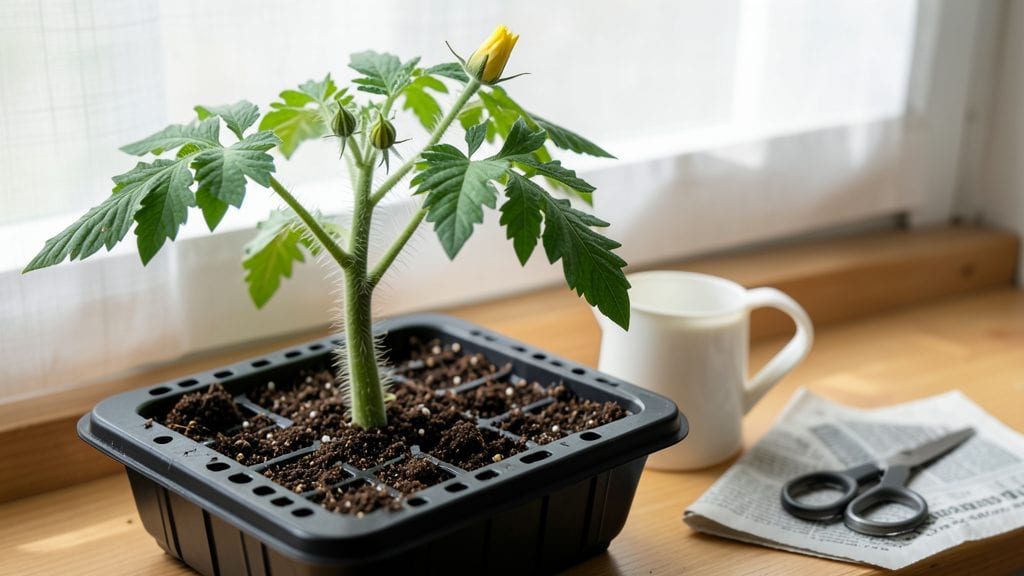
Sun-starting tomato seeds under bright light can speed up germination by days—turning weak, slow starters into sturdy, eager sprouts before they even hit the soil.
Picture this: you’ve waited weeks for the last frost to pass, only to watch your tomato seeds poke along at a snail’s pace. Sun-starting flips that script by harnessing natural warmth, cutting your wait time in half while giving seedlings a head start they’ll never forget.
In Zone 6a, where spring can feel like a marathon, this method is a game-changer. You’ll learn how to prep the perfect container, track soil temps like a pro, and avoid the rookie mistakes that leave seeds wilting before they even begin.
By the end, you’ll have a foolproof system to turn weakling seeds into hardy, fast-growing 🍅 plants ready for transplanting—no more guessing, just results.

How to sun start tomato seeds for faster germination
If you’ve ever waited weeks for tomato seeds to sprout, you know how frustrating slow germination can be. The secret to faster, stronger seedlings? Sun-starting your seeds. By harnessing natural sunlight to warm the soil, you can cut germination time in half while giving your plants a head start.
The key lies in maintaining a consistent soil temperature between 70-90°F—the perfect range for tomato seeds to burst into life.
Sun-starting works best when you plant seeds directly outdoors after your last frost date, but before the soil gets too hot. This method mimics the natural warming process that happens in spring, encouraging seeds to germinate quickly and produce hardier seedlings ready for transplanting.
Unlike indoor seed-starting, which relies on heat mats or grow lights, sun-starting uses the sun’s free energy to do the work for you.
Before you begin, gather a few essential supplies: a shallow container (like a seed tray or even a repurposed plastic food container), high-quality seed-starting mix, tomato seeds, and a way to monitor soil temperature (like a soil thermometer).
If you’re planting in early spring, you might need to use a clear plastic dome or row cover to trap extra heat during cooler days.
Use a shallow container with drainage holes to prevent waterlogging. A seed tray or even a repurposed plastic container works well. Fill it with moistened seed-starting mix—avoid garden soil, which can compact and hinder germination.
Press seeds ¼ inch deep into the soil, spacing them ½ inch apart in rows. For larger trays, space rows 2 inches apart to allow room for seedlings to grow before transplanting.
Lightly water the soil until moist but not soggy. If planting early in the season, cover the container with a clear plastic dome or row cover to trap heat and humidity. This helps maintain the ideal 70-90°F soil temperature.
Position your container in a sunny, sheltered spot where it receives at least 6-8 hours of direct sunlight daily. A south-facing window, patio, or garden bed works perfectly. Avoid windy areas to prevent soil from drying out too quickly.
Use a soil thermometer to check temperatures daily. Aim for 70-90°F during the day. If temps drop below 60°F, cover the container with a row cover or move it to a warmer location. Over 95°F can cause seeds to dry out or fail to germinate.
Check moisture daily—soil should feel like a damp sponge. Water gently in the morning to avoid fungal issues. Avoid overwatering, which can lead to rot or mold, or underwatering, which causes seeds to dry out.
Once seedlings emerge (usually in 5-10 days), thin them to 1-2 inches apart to reduce competition. Use scissors to snip weaker seedlings at soil level, leaving the strongest one in each spot.
After 1-2 weeks of growth, gradually introduce seedlings to outdoor conditions. Start with 1-2 hours of sunlight per day, increasing by 30 minutes daily. This hardening-off process prepares them for permanent planting.
One of the biggest advantages of sun-starting is that your seedlings will be hardened off naturally by the time they’re ready to transplant. They’ll already be accustomed to outdoor conditions, reducing transplant shock. Plus, sun-started seedlings often grow faster because they’ve had consistent warmth from the start.
If you’re in a cooler climate, consider using a black plastic mulch around your container to absorb and retain heat. This can make a significant difference in early spring when soil temperatures are still low. Just be sure to remove the mulch once seedlings sprout to prevent overheating.
Remember, patience is key. While sun-starting speeds up germination, it’s still a process that requires attention to moisture, temperature, and sunlight. With these steps, you’ll be well on your way to growing robust tomato seedlings that thrive from day one.
🌱
Best soil temperature ranges for tomato seed germination
Tomato seeds thrive when soil temperatures hover between 70°F and 90°F—this range unlocks faster germination and stronger seedlings. Below 60°F, germination slows dramatically, while above 95°F, seeds risk overheating and failure.
Sun-starting leverages natural warmth to hit that sweet spot without relying on heat mats, cutting your wait time by 3-5 days compared to cold-start methods.
Cold-start methods (like indoor sowing) often struggle to maintain consistent warmth, leading to uneven sprouting. Sun-starting, however, uses passive solar heating—placing seeds in direct sunlight during the day and insulating them at night.
This mimics ideal greenhouse conditions while keeping costs low. For best results, aim for 75°F soil temps during daylight hours, dropping only slightly at night.
If your seeds aren’t sprouting within 10 days of sun-starting, check for three common issues: insufficient warmth, dry soil, or old seeds.
Use a soil thermometer to confirm temps—if readings dip below 65°F for more than a day, move containers to a sunnier spot or add a clear plastic lid to trap heat. Overheating above 95°F can kill seeds, so monitor during heatwaves by lifting containers off hard surfaces.
For fastest results, pre-soak seeds for 8 hours before sun-starting to jumpstart hydration. Place containers on dark-colored surfaces (like black plastic or asphalt) to absorb more heat. Mulch the sides with straw or newspaper to insulate overnight—this keeps nighttime temps above 60°F, preventing stunted growth.
Once sprouts appear, reduce direct sunlight to 4-6 hours/day to prevent leggy seedlings. Thin to 1-2 inches apart when they have 2 true leaves, ensuring each plant gets enough nutrients. Harden off seedlings by gradually exposing them to outdoor conditions for 1 week before transplanting.
Remember: consistency is key. Sun-starting rewards patience—those 70-90°F soil temps translate to 3x faster germination than cold-start methods, giving you a head start on the growing season. 🌱