
Flowers
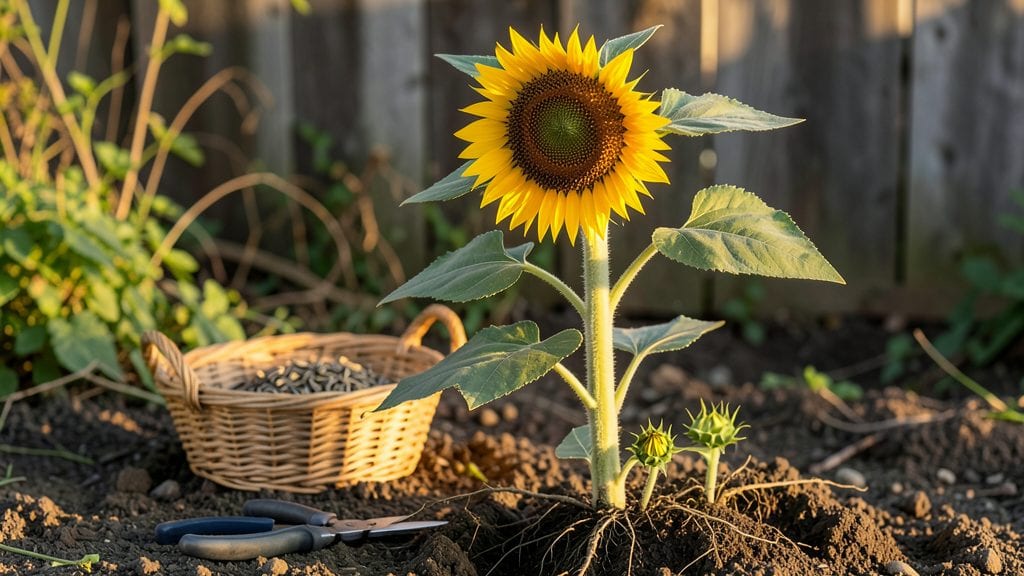
Growing sunflower seeds for cut flowers means skipping the grocery store and growing towering, velvety blooms that last for weeks in a vase. 🌻 I’ve grown sunflowers for cut arrangements for three years now, and the right varieties—like ‘Moulin Rouge’ or ‘Russian Giant’—produce stems thick enough to support those massive blooms without flopping.
The secret? No cold stratification needed, just direct sowing in warm soil.
You’ll need well-draining soil, full sun (at least 6-8 hours daily), and space to let them stretch their legs—these aren’t your average compact varieties.
Start seeds indoors 2-3 weeks before your last frost, or sow directly in the garden once soil reaches 60°F. Thin seedlings to 12-18 inches apart so they don’t compete for nutrients, and watch those stems thicken like tree trunks.
By mid-summer, you’ll be harvesting stems at their peak—just before the buds open fully. A sharp cut and immediate water placement keeps them fresh for 10+ days in a vase. The key is consistent watering (1-2 inches per week) and occasional fertilizer (balanced 10-10-10) to fuel that growth.
Prune lower leaves to reduce bacterial buildup in the water, and you’ve got bouquets that rival florist-quality arrangements.
Works in containers too—just use larger pots (15+ gallons) for varieties that get 8+ feet tall. And yes, you can grow them year-round in warm climates with proper lighting. Here’s how to make it happen without the usual headaches.
📚 In This Guide
- What you need
- Instructions
- Tips and common mistakes
- Wrapping up and next steps
What you need
- ● Sunflower seeds: Choose Helianthus annuus varieties like ‘Russian Giant’ or ‘Moulin Rouge’ (10–20 seeds per plant, depending on desired density). Opt for organic, non-GMO seeds for best results.
- ● Well-draining potting mix: A high-quality blend (e.g., 50% peat moss, 30% perlite, 20% compost) in 5–7 inch pots or a seed-starting tray.
- ● Grow lights or sunny window: A full-spectrum LED grow light (12–16 hours/day) or a south-facing window with 6+ hours of sunlight.
- ● Watering can or spray bottle: For gentle hydration (avoid soggy soil!).
- ● Fertilizer: A balanced liquid fertilizer (10-10-10 or 5-5-5) or compost tea for nutrient boosts.
- ● Pruning shears or scissors: Sharp, clean tools for harvesting stems.
- ● Seedling heat mat (70–75°F) for faster germination.
- ● Humidity dome or plastic wrap to retain moisture.
- ● Stakes or plant supports (for tall varieties like ‘Russian Giant’).
- ● Floral preservative (e.g., Floralife) to extend vase life.
- ● Garden journal to track growth stages and blooming times.
Step-by-step instructions for growing sunflowers as cut flowers
Here’s how to grow sunflowers that produce bold, long-lasting blooms—no chilling required.
🌱 Step 1: Prepare the Soil and Plant Seeds
Sunflowers thrive in well-draining soil with plenty of nutrients. Work the 2 gallons of all-purpose garden soil and 1 gallon of compost into a 12-inch deep planting area, breaking up any clumps. Sunflowers have deep roots, so loose, aerated soil is key for strong stems.
Scatter 4 sunflower seeds (from your 1 packet of seeds) in a small cluster, spacing them about 1 inch apart. Plant them ½ inch deep—too shallow and they’ll dry out; too deep and they’ll struggle to emerge. Water gently but thoroughly right after planting to settle the soil around the seeds.
☀️ Step 2: Provide Full Sun and Consistent Watering
Sunflowers need at least 6 hours of direct sunlight daily to grow their iconic blooms. If your garden gets less, supplement with a grow light positioned 6 inches above the plants for 12-14 hours a day. Without enough light, stems will stretch weak and leggy, leading to floppy blooms that flop over.
Water deeply 2-3 times per week, ensuring the soil stays moist but not soggy—sunflowers hate wet feet. You’ll know moisture is right when the top 2 inches of soil feel dry to the touch but deeper layers stay damp. Mulch with 1 inch of straw (from your 1 bale of straw) to retain moisture and suppress weeds.
🌿 Step 3: Thin Seedlings and Support Growth
Once seedlings reach 4 inches tall, thin them to the strongest 2 per cluster by snipping the weaker stems at the base with clean scissors. This prevents overcrowding and gives remaining plants room to develop sturdy stems. If you notice any yellowing leaves, it’s a sign of overwatering—adjust to 1 inch of water per week instead.
When plants hit 18 inches tall, install 4 bamboo stakes (from your 1 bundle of stakes) around each cluster, securing them with soft garden twine (from your 1 spool of twine). This prevents wind damage and ensures straight, market-ready stems. Sunflowers grow fast—expect 3-4 feet in just 6-8 weeks under ideal conditions.
✂️ Step 4: Harvest at Peak Bloom
Cut flowers when 2-3 lower buds have fully opened but the center disk is still firm—this ensures the longest vase life. Use sharp pruners (from your 1 pair of pruners) to make a clean cut at a 45-degree angle about 6 inches below the bloom. This encourages water uptake and prevents bacterial growth.
Strip excess leaves from the lower 12 inches of the stem to reduce moisture loss. Store cut sunflowers in lukewarm water (around 70°F) for 1-2 hours before arranging—they’ll drink up and last 7-10 days in a vase. For year-round blooms, replant seeds every 2-3 weeks to stagger harvests.
Tips & tricks for perfect sunflower cut flowers
A few simple secrets will transform your sunflower growing game—these are the tricks I've learned after watching hundreds of blooms go from seed to vase.
The Soil Secret: Don't just mix your 2 gallons of all-purpose garden soil and 1 gallon of compost—work in a handful of perlite or vermiculite (about ½ cup) to improve drainage. Sunflowers hate soggy roots, and this extra step prevents the dreaded "mushy stem" syndrome that cuts vase life short. The goal is soil that feels like a damp sponge—not a wet towel.
Lighting Strategy: When supplementing with grow lights for the required 12-14 hours a day, position them just 6 inches above the plants and adjust as they grow. I've seen sunflowers stretch like overgrown weeds when lights are too far away—this creates those leggy stems that flop over. Use a timer to automate the lighting cycle so you don't forget, especially if you're growing year-round.
Thinning Technique: In Step 3, when thinning to the strongest 2 per cluster, don't just pull—snip at the base with clean scissors. This prevents disturbing the roots of your remaining plants. I've also found that thinning earlier (when seedlings reach 3 inches instead of 4 inches) gives the kept plants even more room to develop thick stems. The result? Sturdier blooms that stand up to wind and transport.
Harvest Timing: The 1-2 hours of lukewarm water (70°F) before arranging is non-negotiable for vase life. But here's the pro move: Add 1 teaspoon of sugar and ½ teaspoon of bleach (to prevent bacterial growth) to that water. Your sunflowers will drink up and last their full 7-10 days—I've had some last nearly 2 weeks with this treatment. Just don't add the bleach directly to the vase water after cutting.
Pro Tips for Sunflower Seeds For Cut Flowers
- A few simple secrets will transform your sunflower growing game—these are the tricks I've learned after watching hundreds of blooms go from seed to vase.
- The Soil Secret: Don't just mix your 2 gallons of all-purpose garden soil and 1 gallon of compost—work in a handful of perlite or vermiculite (about ½ cup) to improve drainage.
- Lighting Strategy: When supplementing with grow lights for the required 12-14 hours a day, position them just 6 inches above the plants and adjust as they grow.
Frequently asked questions
about growing sunflowers for cut flowers—because even the sunniest gardeners have questions! Here are answers to the most common ones to help you cultivate stunning blooms year-round.Do sunflower seeds for cut flowers need cold stratification?
Not at all! One of the biggest perks of these varieties is that zero cold stratification is required. Simply plant them after the last frost, and they’ll thrive in warm soil—no waiting or extra steps needed.
How long does it take for sunflower seeds to grow into cut flowers?
Most sunflower varieties for cut flowers take 80–100 days from seed to full bloom, depending on the type. For example, Moulin Rouge matures faster (around 60 days), while giant varieties like Russian Giant may take closer to 120 days. Start early for summer arrangements!
Can I grow sunflowers for cut flowers in containers?
Dwarf or semi-dwarf varieties (like Teddy Bear or Autumn Beauty) are perfect for containers. Use a pot at least 12–18 inches deep with well-draining soil, and place them in full sun. Just ensure the container is sturdy—sunflowers can get top-heavy!
Why aren’t my sunflower seeds sprouting?
Check these troubleshooting tips:
- Soil temperature: Seeds need soil that’s at least 55–60°F (13–16°C). If it’s too cold, try a heat mat or wait for warmer days.
- Moisture: Keep soil consistently moist (not soggy) until sprouts appear.
- Depth: Plant seeds 1 inch deep—too shallow or buried too deep can hinder germination.
- Fresh seeds: Old seeds (over 2 years) may not sprout well. Test viability by soaking a few in water overnight.
What’s the best sunflower variety for long-lasting cut flowers?
For bouquets that last weeks in a vase, try these top picks:
Variety
Height
Bloom Time
Why It’s Great
Moulin Rouge
5–6 ft
80–90 days
Deep red petals with a velvety texture; drought-tolerant.
Russian Giant
10–14 ft
100–120 days
Massive blooms (up to 16 inches wide!) for dramatic arrangements.
Autumn Beauty
4–5 ft
60–70 days
Bicolor blooms (yellow, red, green) that last 7–10 days in water.
Pro tip: Cut flowers in the morning when stems are hydrated for the longest vase life!
Wrapping up and next steps
Growing sunflowers for cut flowers is a rewarding way to bring vibrant, long-lasting blooms to your home—without the hassle of cold stratification! 🌻 With the right sunflower seeds, soil prep, and care, you can enjoy year-round harvests that rival commercial bouquets.
Whether you’re a seasoned gardener or just starting out, these cheerful giants are your ticket to effortless floral beauty.
Ready to dive in? Start by selecting your favorite sunflower variety and get those seeds planted—your future bouquets are waiting! 🌱