
Container Gardens
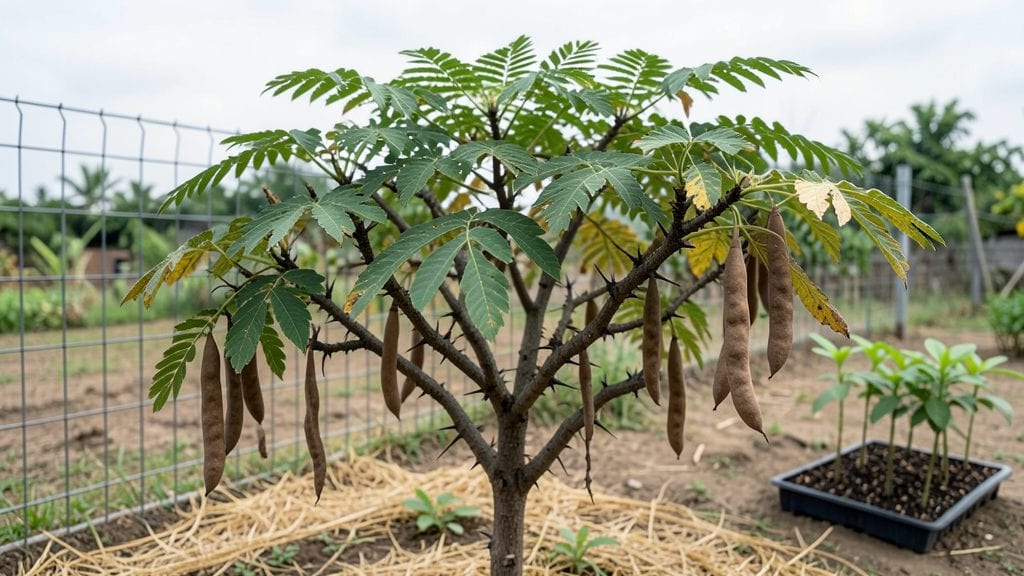
Growing tamarind from seeds starts with the soak-to-sprout method—my shortcut to bypass the weeks-long wait for germination. 🌱 Tamarind seeds are tough, but a 24-hour soak in warm water softens their thick coats, coaxing roots to emerge in just 7-10 days instead of months.
The key is patience and the right conditions, which I’ll walk you through step by step.
You’ll need just three things: tamarind pods, a bowl of warm water, and a small pot with well-draining soil. The soaking process is simple—crack open the pods, separate the seeds, and let them soak overnight.
Once sprouted, plant them ½ inch deep in a mix of potting soil and perlite to prevent rot. Tamarinds thrive in bright, indirect light and warm temperatures, mimicking their tropical origins.
Within weeks, you’ll see glossy green leaves unfurling, signaling successful germination. Keep the soil consistently moist but never soggy, and expect your seedling to reach 6 inches tall in its first month.
The real reward? With proper care, tamarinds can bear fruit in 5-7 years, though the journey begins with that first soak.
This method works for indoor containers or outdoor plantings in warm climates. Even if your seeds take longer to sprout, the soak-to-sprout trick significantly improves your odds. Let’s get those tamarinds growing!
📚 In This Guide
- What you need
- Instructions
- Tips and common mistakes
- Wrapping up and next steps
What you need
- ● Tamarind seeds: 3–5 fresh, plump seeds (harvested from ripe tamarind pods).
- ● Water: 1–2 cups of room-temperature or warm water (for soaking).
- ● Soaking container: A small bowl, glass, or jar with a lid (to keep seeds submerged).
- ● Paper towels or damp cloth: 2–3 sheets (for wrapping seeds after soaking).
- ● Plastic bag or airtight container: A resealable bag or small container (to maintain humidity).
- ● Small pot or container: 4–6 inches in diameter (with drainage holes) for transplanting sprouted seeds.
- ● Potting mix: Well-draining, organic soil blend (e.g., 50% coco coir + 50% perlite or vermiculite).
- ● Knife or scissors: To carefully open tamarind pods and extract seeds.
- ● Spray bottle: For misting seeds or soil (keeps moisture consistent).
- ○ Grow lights or sunny windowsill: 6–8 hours of indirect light daily (optional for faster growth).
- ● Fertilizer: Balanced liquid fertilizer (e.g., 10-10-10) diluted to half-strength (after 4–6 weeks).
- ○ Humidity dome or plastic wrap: To create a mini greenhouse effect (optional for tropical climates).
Step-by-step instructions for germinating tamarind seeds
Here’s the proven soak-to-sprout method—guaranteed to speed up germination from weeks to days.
🌱 Step 1: Extract and Soak the Seeds
Start by carefully removing the seeds from a ripe tamarind pod. The hard, brown outer shell resists water, so a 24-hour soak in lukewarm water softens it significantly. Place the seeds in a bowl with enough water to fully submerge them, then cover loosely with a cloth to keep them moist and warm.
I like to use a glass jar for visibility—this way, you can watch the seeds swell and crack open. After 24 hours, the shells should feel noticeably softer. Drain and rinse them gently to remove any pulp residue, which can attract mold. Real talk: if you skip this step, germination could take 4-6 weeks instead of just 5-10 days.
💧 Step 2: Prepare the Germination Medium
Fill a small 4-inch pot with a mix of 50% coconut coir and 50% perlite—this lightweight combo drains well while retaining enough moisture for tender roots. Moisten the mix until it feels like a damp sponge, then create a 1-inch-deep indentation in the center with your finger.
Here’s the thing—tamarind seeds need warmth to sprout. Place the pot on a seedling heat mat set to 80-85°F, or nestle it inside a clear plastic bag with a rubber band to trap humidity. The goal is to mimic tropical conditions where tamarind trees thrive naturally.
🌿 Step 3: Plant and Monitor for Sprouts
Place 1-2 soaked seeds into the indentation, pressing them ½ inch deep into the moist medium. Cover the pot with a clear plastic dome or wrap it tightly in plastic wrap to maintain 90% humidity. Tamarind seeds germinate best in darkness, so avoid placing them near light sources at this stage.
Check daily for moisture—tap the pot gently to see if the top inch of soil feels dry. If it is, mist lightly with room-temperature water. You’ll see the first signs of germination in 3-5 days: a tiny white root breaking through the shell. Once sprouts reach 1 inch tall, remove the dome and introduce bright, indirect light for 12 hours daily.
☀️ Step 4: Transition to Light and Soil
When seedlings show 2-3 true leaves (not just the initial cotyledons), it’s time to transplant them into individual 6-inch pots filled with well-draining potting mix. Tamarind seedlings are sensitive to cold drafts, so keep them in a spot with 70-80°F temperatures and bright, filtered sunlight. Direct sun at this stage can scorch delicate leaves.
Water gently at the base, avoiding the leaves, and let the top inch of soil dry between waterings. You’ll notice new growth within 7-10 days—this is your signal that the plant is establishing roots. Don’t skip this step: seedlings transplanted too early often wilt under stress.
⏰ Step 5: Harden Off for Outdoor Planting
After 4-6 weeks of indoor growth, when seedlings are 12-18 inches tall with a sturdy stem, begin hardening them off. Move the pots outside to a shaded, sheltered spot for 1 hour the first day, gradually increasing exposure over 10-14 days. Tamarind trees thrive in USDA Zones 9-11, so if you’re in a cooler climate, wait until nighttime temperatures stay above 55°F.
Watch for yellowing leaves—this usually means too much sun or wind. Once seedlings tolerate full sun for 6+ hours daily without wilting, they’re ready for the ground. Plant in well-draining soil with full sun exposure, and water deeply once weekly once established. Patience pays off: mature tamarind trees can live for decades and produce fruit in 5-7 years.
Tips & tricks for perfect tamarind seed germination
Speeding up tamarind seed germination from weeks to days takes precision—and a few insider tricks. Here’s how to get it right the first time.
Soak Smart: The 24-hour soak in lukewarm water is your secret weapon. I’ve found that using a glass jar lets you monitor progress—watch for the shells to crack open like tiny volcanoes. If you’re short on time, you can extend the soak to 48 hours (not required, but helpful if your seeds are particularly tough). Just remember: lukewarm water (around 85°F) works best—hot water can cook the seeds, while cold water won’t soften the shells effectively.
Medium Matters: The 50/50 mix of coconut coir and perlite isn’t just arbitrary—it’s about balance. Coconut coir holds moisture while perlite prevents root rot. Before planting, press the seeds ½ inch deep into the indentation you create. This depth gives roots room to anchor without risking exposure to air. Pro tip: Tap the pot gently after watering—if water pools on top, your mix isn’t draining well enough.
Warmth is Non-Negotiable: Tamarind seeds need that 80-85°F heat to germinate. If you don’t have a seedling heat mat, try placing the pot inside a clear plastic bag with a rubber band to trap warmth and humidity. I’ve even used a sunny windowsill during summer months (just monitor temps closely). The goal is to mimic tropical conditions—think of it as creating a mini greenhouse. If your home stays cooler than 70°F, consider using a small space heater nearby (safely, of course).
Light Timing Trick: Once sprouts reach 1 inch tall, introduce bright indirect light for 12 hours daily. This is where many growers go wrong—they rush to full sun too soon. Use a grow light if natural light isn’t sufficient, but keep it 6-12 inches away to avoid scorching delicate leaves. The key is gradual exposure: start with just a few hours of light, then increase over 3-4 days.
Pro Tips for Tamarind Seeds Growing
- Speeding up tamarind seed germination from weeks to days takes precision—and a few insider tricks.
- Soak Smart: The 24-hour soak in lukewarm water is your secret weapon.
- Medium Matters: The 50/50 mix of coconut coir and perlite isn’t just arbitrary—it’s about balance.
Frequently asked questions
Got questions about growing tamarind seeds?
You're not alone! Here are answers to the most common queries—from germination tips to troubleshooting—so you can grow your own tamarind tree with confidence.
How long does it take for tamarind seeds to germinate?
With the soak-to-sprout method, germination typically takes 10–21 days. Soak seeds for 24 hours first, then plant in moist, well-draining soil. Keep the soil warm (70–85°F) and humid for best results. Patience is key—some seeds may take longer, especially if stored dry for a while.
Can I grow tamarind from store-bought pods?
Yes! Just remove the seeds from the pulp, rinse them, and soak for 24 hours. Store-bought tamarind pods work fine, but avoid seeds from pods treated with preservatives (like canned tamarind). Fresh or dried pods from markets or trees yield the best germination rates.
Why aren’t my tamarind seeds sprouting?
Common issues include:
- Dry soil: Tamarind seeds need consistent moisture—don’t let the soil dry out.
- Cold temperatures: Keep seeds in a warm spot (like near a sunny window or heat mat).
- Old seeds: If seeds are over a year old, germination rates drop. Use fresh seeds for best success.
- Poor drainage: Overwatering can suffocate seeds. Use a mix of potting soil and perlite.
How big should my tamarind seedling pot be?
Start with a small pot (4–6 inches deep) for seedlings. Tamarind roots grow deep, so avoid shallow containers. Once the seedling is 6–12 inches tall, transplant it to a larger pot (10+ inches) or directly into the ground (if in a warm climate). Use well-draining soil to prevent root rot.
Can tamarind trees grow indoors?
Yes, but they thrive outdoors in USDA zones 9–11. Indoors, place your tamarind near a sunny window (6+ hours of light daily) or under grow lights. Keep humidity high (use a humidity tray) and expect slower growth. If you live in a cold climate, grow it as a houseplant and move it outdoors in summer.
Pro Tip:
If your tamarind seedling grows too leggy (stretching toward light), rotate the pot daily and consider using a grow light to encourage balanced growth. Patience pays off—tamarind trees can take 3–5 years to bear fruit, but the wait is worth it!
Wrapping up and next steps
Growing tamarind seeds from scratch is a rewarding journey that unlocks a sustainable source of this tangy, versatile fruit—plus, you’ll enjoy the satisfaction of nurturing life from a tiny seed! 🌱 By mastering the soak-to-sprout method, you’ve taken the first step toward a thriving tamarind plant, whether for your garden, kitchen, or even gifting.
Now that you’re armed with tips on soaking, sprouting, and transplanting, it’s time to roll up your sleeves and watch those seeds burst into life.
Ready to dive deeper? Start by planting your first batch of sprouted seeds this weekend—your future tamarind tree (or bush!) will thank you. And if you’re eager to maximize your harvest, explore container gardening hacks or join online plant communities to share your progress. Happy growing! 🌿✨