
How To
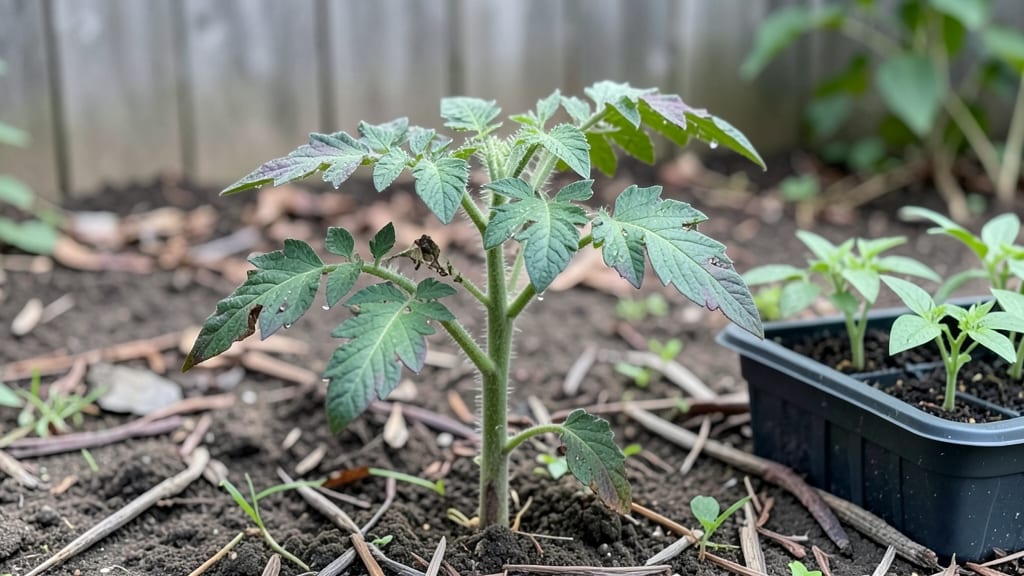
Those purple leaves on your tomato seedling aren’t just a cosmetic issue—they’re a cry for help, and the fixes are simpler than you’d think. 🌱 once you know what’s really going on.
The most common culprits are phosphorus deficiency, cold stress, or even overwatering, but the symptoms often look identical at first glance. Purple leaves usually start on the undersides of younger leaves, then creep upward if ignored.
The good news? You can reverse it in days with the right adjustments—no fancy tools required.
By the end of this, you’ll know exactly how to check soil temperature, adjust your fertilizer, and protect seedlings from drafts. Within a week, those purple patches will fade to vibrant green, and your plants will start reaching for the sky instead of wilting. Let’s get them back on track.
Works for both indoor starts and greenhouse seedlings, and the same principles apply whether you’re growing heirlooms or hybrids. Here’s how to diagnose and fix it for good—no guesswork involved.
Root Causes Behind Purple Leaves
When your tomato seedlings start showing purple or reddish hues on their leaves, it’s rarely a sign of disease—it’s usually a nutritional distress signal from the plant. Understanding the underlying causes helps you act fast and restore healthy green growth.
Below are the most common reasons why this happens, broken down with science-backed explanations and actionable insights.
Tomato seedlings often develop purple leaves when they’re starved for phosphorus, a key nutrient for energy transfer and root development. Phosphorus helps plants convert sunlight into usable energy (photosynthesis) and supports strong root systems.
Without enough of it, seedlings struggle to grow, and their leaves may turn deep purple or reddish, especially along the veins.
Why it happens:
- Poor soil quality: Many garden soils are naturally low in phosphorus, especially if they’re sandy or have been farmed heavily without replenishment.
- Improper fertilization: Over-reliance on nitrogen-heavy fertilizers (like lawn fertilizers) can lock out phosphorus, making it unavailable to roots.
- Cold soil temperatures: Phosphorus uptake slows when soil is <10°C (50°F), which is common in early spring or fall plantings.
Actionable fix: Test your soil (a DIY kit or lab test works) and amend with bone meal (a slow-release phosphorus source) or a balanced fertilizer (like 10-10-10) with phosphorus as the middle number. For seedlings, a weak liquid fertilizer (½ tsp Epsom salt + 1 tbsp bone meal per gallon of water) can give an immediate boost.
Tomato seedlings are sensitive to temperature extremes, and purple leaves can appear when they’re exposed to cold nights (<10°C/50°F) or heat stress (>32°C/90°F). While not a nutrient issue, temperature fluctuations disrupt the plant’s ability to absorb and use nutrients efficiently, leading to anthocyanin buildup (the pigment responsible for purple hues).
Why it happens:
- Nighttime chills: If seedlings are planted too early in cool climates, they may not have enough energy to recover overnight.
- Sudden heat waves: High daytime temps cause transpiration stress, making it harder for roots to pull up water and nutrients.
- Drafty or exposed locations: Wind or cold drafts (like near AC units) can exacerbate stress.
Actionable fix:
- Use row covers or cloches (mini greenhouses) to protect seedlings from cold snaps.
- Move containers to a shady, sheltered spot during heatwaves, then gradually reintroduce sunlight.
- Mulch the soil with straw or grass clippings to regulate temperature and retain moisture.
Water plays a critical role in nutrient uptake, and both overwatering and drought stress can trigger purple leaves by disrupting phosphorus and potassium availability. Too much water leaches nutrients away, while too little causes roots to struggle to access them.
Why it happens:
- Overwatering: Soggy soil depletes oxygen around roots, preventing them from absorbing phosphorus efficiently.
- Underwatering: Dry soil creates osmotic stress, forcing roots to work harder and sometimes producing anthocyanins as a protective response.
- Inconsistent moisture: Fluctuations confuse seedlings, leading to uneven nutrient distribution.
Actionable fix:
- Check soil moisture by inserting a finger 2 inches deep—water when it’s dry but not bone-dry.
- Use drip irrigation or self-watering pots to maintain even moisture.
- If overwatered, let the soil dry slightly before resuming a consistent watering schedule.
Tomatoes thrive in slightly acidic soil (pH 6.0–6.8). If your soil is too acidic (pH <5.5) or too alkaline (pH >7.0), it can bind phosphorus into forms that roots can’t access, leading to deficiency symptoms like purple leaves.
Why it happens:
- Acidic soil: Common in areas with high organic matter (like peat) or frequent rain. Phosphorus becomes unavailable as it binds to iron and aluminum.
- Alkaline soil: Often found in regions with limestone or high calcium. Phosphorus forms insoluble compounds with calcium, making it inaccessible.
Actionable fix:
- Test your soil’s pH with a home test kit or send a sample to a lab.
- For acidic soil, add lime (to raise pH) or wood ash (sparingly).
- For alkaline soil, mix in sulfur or peat moss to lower pH gradually.
- Use a chelated phosphorus fertilizer (like monoammonium phosphate) for immediate results.
Pro Tip: 💡 Purple leaves are usually a reversible issue—act fast with the fixes above, and your seedlings should bounce back within 1–2 weeks of proper care. Monitor closely, and don’t hesitate to adjust fertilizers or watering as needed!
Revive Your Seedlings Quickly
When your tomato seedlings show up with purple leaves, it’s a clear signal that something’s off—but the good news is, most causes have simple fixes. Below, we’ll map the most common culprits to actionable solutions, so you can get your plants thriving again.
Prevention tips are included to keep future seedlings healthy and vibrant!
If your seedlings have deep purple or reddish hues on stems and lower leaves, they’re likely craving phosphorus—the nutrient responsible for root and flower development.
How to Fix It:
🔥 Boost Phosphorus Fast
- Use a balanced fertilizer (like 10-10-10) and apply it at half-strength to avoid burning young roots.
- Try a quick phosphorus fix: Mix 1 tablespoon of bone meal or rock phosphate into the soil around seedlings. Water lightly to activate.
👨🍳 DIY Phosphorus Tea
- Steep 1 cup of compost tea or a handful of crushed eggshells (baked and ground) in 1 gallon of water for 24 hours. Strain and water seedlings at the base.
⏰ Monitor & Repeat
- Reapply phosphorus-rich fertilizer every 2–3 weeks until leaves regain their green.
💡 Prevention Tip:
- Pre-plant boost: Mix ½ cup of bone meal into the soil before sowing seeds to ensure a phosphorus reserve for early growth.
If leaves are purple with yellowing or mushy spots, overwatering or compacted soil may be suffocating roots, leading to nutrient uptake issues.
How to Fix It:
🍳 Adjust Watering Habits
- Let the top 1–2 inches of soil dry out between waterings. Stick your finger in—if it’s damp, wait!
- Upgrade your pots: Ensure containers have drainage holes to prevent soggy roots.
🔪 Fluff & Aerate the Soil
- Gently loosen the soil around seedlings with a small fork or chopstick to improve airflow.
- Add perlite or vermiculite (1 part to 3 parts soil) to enhance drainage.
🌡️ Check for Root Rot
- If roots smell foul or look black/mushy, trim affected areas with sterilized scissors and repot in fresh, dry soil.
🎯 Prevention Tip:
- Use well-draining soil mixes (like 60% potting soil + 30% coco coir + 10% perlite) to avoid compaction.
Sudden temperature drops (<50°F/10°C) or intense afternoon sun can cause purple splotches, especially in young seedlings.
How to Fix It:
🔥 Protect from Cold Snaps
- Move seedlings to a warmer spot (like a sunny windowsill indoors or a greenhouse).
- Use row covers or cloches if outdoor temps dip below 55°F (13°C).
🍳 Adjust Light Exposure
- If seedlings are in direct midday sun, provide partial shade with a sheer curtain or shade cloth (30–50% coverage).
- Rotate pots daily to ensure even light exposure and prevent leaning.
✨ Hardening Off Gradually
- If transitioning outdoors, acclimate seedlings over 7–10 days by exposing them to outdoor conditions for increasing durations each day.
💡 Prevention Tip:
- Start seeds indoors 6–8 weeks before the last frost date to avoid rushing their outdoor transition.
While phosphorus deficiency causes purple throughout the plant, a nitrogen deficiency (or excess) can lead to purple veins or stunted growth with yellowing between veins.
How to Fix It:
🔥 Balance the Soil
- Add compost or worm castings (rich in nitrogen) to the soil. Mix in 1 cup per plant.
- Use a mild nitrogen supplement like fish emulsion (diluted to 1 tbsp per gallon of water) every 2 weeks.
👨🍳 Avoid Over-Fertilizing
- If you’ve recently used a high-nitrogen fertilizer (like 20-0-0), flush the soil with plain water to prevent salt buildup.
🌡️ Test Your Soil
- Use a DIY soil test kit (available at garden centers) to check pH and nutrient levels. Tomatoes prefer a slightly acidic pH (6.0–6.8).
🎯 Prevention Tip:
- Rotate crops to avoid depleting nitrogen in the same soil year after year.
If purple leaves accompany chewed edges, webbing, or white powdery residue, pests (like aphids or spider mites) or diseases (like early blight) may be at fault.
How to Fix It:
🔥 Inspect & Isolate
- Rinse seedlings with water to dislodge pests like aphids.
- Remove affected leaves with sterilized scissors and dispose of them in sealed bags.
🍳 Natural Pest Control
- Spray with neem oil (1 tsp neem oil + 1 tsp mild soap per quart of water) to deter pests.
- Introduce beneficial insects like ladybugs or lacewings to combat aphids.
🔪 Prevent Fungal Spread
- Water at the base (not overhead) to keep leaves dry.
- Apply copper fungicide (follow label instructions) if you spot powdery mildew or blight.
💡 Prevention Tip:
- Quarantine new seedlings for 1–2 weeks before introducing them to your garden to spot hitchhiking pests early.
With these targeted fixes, your tomato seedlings should bounce back in 1–2 weeks. Keep an eye on their progress, and don’t hesitate to adjust care as needed. Happy growing!
Frequently asked questions
Are purple leaves always a sign of phosphorus deficiency?
Not always! While phosphorus deficiency is the most common cause, purple leaves can also signal cold stress (below 50°F/10°C), overwatering, or even temperature fluctuations. The key difference? Phosphorus issues show up as deep purple along leaf veins, while cold stress often appears as scattered purple splotches on younger leaves. Check soil moisture and temperature first.
How quickly should I expect to see improvement after fixing the issue?
With the right adjustments, you’ll typically see noticeable improvement within 3–7 days. If you’ve corrected phosphorus levels or temperature stress, new growth should return to vibrant green within 1–2 weeks. For severe cases (like root rot), recovery may take longer—up to 3 weeks—but consistent care speeds up the process.
Can I use coffee grounds to fix purple leaves?
Coffee grounds can help slightly by adding nitrogen, but they’re not a direct fix for phosphorus deficiency. For purple leaves, focus on bone meal or a balanced fertilizer (like 10-10-10) instead. If you’re concerned about nitrogen levels, mix coffee grounds into the soil sparingly—too much can actually worsen nutrient imbalances in seedlings.
Will my tomato plants still produce fruit if I fix the purple leaves now?
Fixing purple leaves early ensures healthy root and flower development, which directly impacts fruit production. Once your seedlings regain their green, they’ll focus energy on growing strong stems and setting blossoms. Just avoid heavy nitrogen fertilizers later in the season—save those for early growth stages to prevent leafy growth at the expense of fruit.
Can I save a seedling with completely purple leaves?
Yes, but act fast! If the entire seedling is purple, it’s likely suffering from severe nutrient stress or root issues. Trim any severely affected leaves, repot in fresh soil with bone meal, and adjust watering. With consistent care, new growth should emerge green within 1–2 weeks. If roots are rotted, you may need to propagate from healthy stems to save the plant.