Vegetables
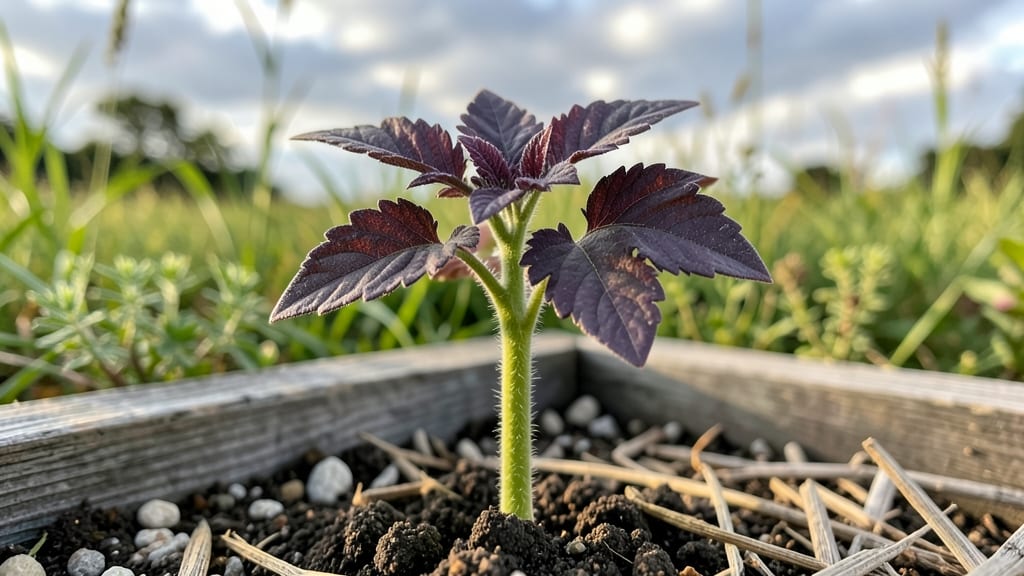
When your tomato seedlings turn purple, it’s not just a color—it’s a cry for help from your plants. 🌱 I’ve seen this happen after a cold snap or when seedlings get too much phosphorus, and the good news is you can fix it before it stunts their growth.
The key is understanding whether the purple stems from stress or genetics, then adjusting care to bring back that healthy green.
Most purple stems appear when seedlings experience cold stress or phosphorus overload—think of it like a plant screaming "too much of a good thing!" The leaves might stay green, but those purple streaks or entire stems signal your soil or environment needs tweaking.
For cold-stressed seedlings, move them to a warmer spot (around 65-75°F) and avoid drafts. If phosphorus is the issue, dilute your fertilizer or switch to a balanced mix.
What you’ll end up with is seedlings that grow strong and steady, free of stunted growth or weak stems. The purple fades within a week if you catch it early, and those plants will reward you with vibrant blooms next season.
The secret is acting fast—once the purple spreads to leaves, it’s harder to reverse. Let’s get those seedlings back on track!
This works for both heirloom and hybrid varieties, though some purple-stemmed tomatoes (like 'Purple Cherokee') are exceptions. For those, embrace the color—they’re just showing off their genetics. But for the rest? Fix the care, and you’ll have seedlings ready to thrive in your garden.
Understanding Purple Seedling Roots
Discovering purple-tinged tomato seedlings can be alarming, especially when you’re dreaming of lush green plants and juicy red fruits. But before you panic, let’s break down the science behind this color shift.
Purple seedlings often signal underlying issues—some harmless, others critical. Understanding the root causes (literally and figuratively) will help you diagnose the problem and take corrective action.
Tomato seedlings thrive in warm conditions, and when exposed to cold temperatures (below 50°F or 10°C), their leaves and stems may develop a purple or reddish hue. This isn’t just cosmetic—it’s a survival mechanism.
- How it happens: Cold stress triggers the production of anthocyanins, pigments that act as a natural sunscreen, protecting chlorophyll from damage. Think of it like a plant’s built-in SPF.
- Where it shows up: Purple discoloration often appears on leaves, stems, or even the soil-facing side of seedlings when nighttime temps drop.
- Actionable fix:
- Use a seedling heat mat (70–75°F / 21–24°C) to maintain consistent warmth.
- Move seedlings to a sunny windowsill or grow light away from drafts.
- If outdoors, use row covers or cold frames to shield from chilly nights.
💡 Pro Tip: Purple from cold stress usually fades within days if warmth is restored. But if the seedlings also look wilting or stunted, they may be suffering from chilling injury, which can be irreversible.
Tomato seedlings are sensitive to soggy conditions, and excess moisture—especially in cool soil—can trigger purple discoloration. This isn’t just about wilting; it’s a sign of root stress or even anaerobic conditions (when roots can’t breathe).
- How it happens:
- Overwatering leaches nutrients from the soil, leaving seedlings nutrient-deficient.
- Poor drainage causes root rot, cutting off oxygen and triggering stress responses (including anthocyanin production).
- Where it shows up: Purple may appear on lower leaves first, often paired with yellowing (chlorosis) or mushy stems.
- Actionable fix:
- Let the top 1–2 inches of soil dry out between waterings (stick your finger in to test!).
- Use well-draining soil mixes (add perlite or vermiculite if needed).
- Ensure pots have drainage holes and elevate trays to prevent waterlogging.
- If root rot is suspected, repot in fresh, sterile soil and trim any blackened roots.
⚠️ Warning: Purple from overwatering is often accompanied by slow growth or limp stems. If ignored, seedlings may collapse entirely.
Purple seedlings can also scream for help when starved of key nutrients. While nitrogen (for green growth) gets most of the attention, phosphorus (P) and potassium (K) are equally critical for root and cell development. Without them, seedlings may turn purple as a distress signal.
| Nutrient | Role in Seedlings | Purple Signs | Quick Fix |
|---|---|---|---|
| Phosphorus (P) | Boosts root growth and energy transfer. | Purple or reddish lower leaves and stems (often with dark green veins). | Apply a balanced fertilizer (5-10-10) or bone meal. |
| Potassium (K) | Regulates water and nutrient uptake; strengthens cell walls. | Purple or brown leaf edges or tips, especially under stress. | Use potassium sulfate or wood ash (sprinkle lightly on soil). |
💡 Pro Tip: Test your soil with a DIY kit or send a sample to a lab to confirm deficiencies. Over-fertilizing can burn seedlings, so start with half-strength solutions.
Not all purple is a red flag! Some tomato varieties—especially heirlooms or purple-stemmed types—naturally produce anthocyanins as a protective trait. This is especially common in:
- Cold-hardy varieties (e.g., 'Cherokee Purple,' 'Black Krim').
- Seedlings exposed to bright light (anthocyanins act as UV protectors).
- Young plants that outgrow the pigment as they mature.
How to tell if it’s natural:
- Purple is evenly distributed (no yellowing or wilting).
- Seedlings are vigorous and healthy otherwise.
- Discoloration fades as plants grow (usually by the 4–6 leaf stage).
If your seedlings fit this description, no action is needed—just monitor for other stress signs.
🎯 Key Takeaway: Purple seedlings are your plants’ way of communicating. By pinpointing whether the cause is environmental (cold, water), nutritional (P/K), or genetic, you can intervene—or simply relax—and watch your tomatoes thrive!
Fixing Purple Seedlings Naturally
Now that you understand why your tomato seedlings might be turning purple, let’s tackle the solutions—practical, step-by-step fixes to restore their healthy green glow. Whether it’s cold stress, nutrient deficiencies, or environmental factors, these fixes will help your seedlings bounce back strong.
If your seedlings spent too much time in cold temperatures, they’re likely suffering from purple anthocyanin buildup (a survival mechanism). Here’s how to reverse it:
1️⃣ Warm Them Up Gradually
- Move seedlings to a warmer location (65–75°F / 18–24°C) immediately.
- Avoid direct heat sources (like radiators) that can cause shock—opt for a seedling heat mat or sunny windowsill.
- Pro Tip: 🌡️ If nights are still chilly, cover them with a floating row cover or cloche to trap heat.
2️⃣ Boost Light Exposure - Purple stems often signal light starvation.
Ensure seedlings get 12–16 hours of bright light daily. - Use grow lights (LED or fluorescent) if natural light is weak. - Pro Tip: 💡 Keep lights 2–4 inches above seedlings and adjust as they grow to prevent legginess.
3️⃣ Monitor Soil Temperature
- Cold soil slows nutrient uptake. Use a soil thermometer to confirm temps are above 55°F (13°C).
- If soil is too cold, pre-warm it by placing seedling trays on a heated mat or in a sunny spot before planting.
Purple leaves or stems can also mean phosphorus or nitrogen deficiencies (or even excess salt from tap water). Here’s how to fix it:
1️⃣ Flush the Soil
- If using tap water with high salts/minerals, flush the soil with distilled or rainwater to leach out buildup.
- How? Water thoroughly until it drains from the bottom, repeating 2–3 times.
2️⃣ Balance Fertilizer
- Too much phosphorus? Switch to a balanced fertilizer (like 5-5-5 or 10-10-10).
- Too little nitrogen? Use a mild nitrogen boost (like diluted fish emulsion or compost tea).
- Pro Tip: 🌱 Avoid over-fertilizing—start with half-strength and observe for 3–5 days before adjusting.
3️⃣ Test Your Soil
- Use a simple soil test kit to check pH and nutrient levels.
- Tomatoes thrive in pH 6.0–6.8. Adjust with lime (to raise pH) or sulfur (to lower pH) if needed.
Once your seedlings recover, take these steps to keep them vibrant and prevent purple discoloration next time:
1️⃣ Proper Cold Stratification
- If starting seeds indoors in winter, pre-chill them for 2–4 weeks at 40–50°F (4–10°C) before moving to warmth.
- Pro Tip: 🥶 Use a refrigerator (not freezer!) with a damp paper towel to simulate natural cold exposure.
2️⃣ Use High-Quality Growing Medium
- Avoid cheap, peat-heavy mixes that compact and retain cold. Opt for:
- Coco coir + perlite mix
- Well-aged compost + vermiculite
- Pro Tip: ✨ Add worm castings for natural nutrients and better drainage.
3️⃣ Harden Off Slowly
- Before transplanting, acclimate seedlings to outdoor temps over 7–10 days.
- Start with 2–3 hours of shade, then gradually increase sun exposure.
4️⃣ Choose Cold-Tolerant Varieties
- Some tomatoes handle cooler starts better. Try:
- ‘Stupice’ (cold-hardy)
- ‘Mountain Merit’ (early producer)
- ‘Siberian’ (resistant to chilling)
If your seedlings are severely stunted or purple, try this 24-hour rescue protocol:
- 🌱 Repot in fresh, warm soil (if roots are cramped or waterlogged).
- 💧 Water with a diluted seaweed solution (1 tsp seaweed extract per gallon) for stress relief.
- 🌞 Place under bright grow lights (12+ hours) with no gaps.
- 🍄 Monitor for pests (purple stress weakens plants—check for aphids or fungus gnats).
Remember: Purple seedlings aren’t always a death sentence—they’re often just crying out for warmth, light, or nutrients. With these fixes, your tomatoes will be lush, green, and ready to thrive by planting time! 🍅✨
Frequently asked questions
Why are my tomato seedlings turning purple?
Purple coloration in tomato seedlings usually signals stress from cold temperatures (below 50°F), nutrient imbalances (like phosphorus overload), or excessive moisture. It’s often a survival response—anthocyanins protect chlorophyll when plants are struggling. Check for cold drafts, soggy soil, or fertilizer buildup.
Is purple always a bad sign for tomato plants?
Not always! Some heirloom varieties like 'Cherokee Purple' naturally develop purple stems or leaves as a protective trait. If your seedlings are otherwise healthy and growing well, the purple may just be genetic. However, if paired with wilting or stunted growth, it’s likely stress-related.
How quickly can I fix purple seedlings?
With the right care, purple from cold stress often fades within 3-5 days of warming the environment. For nutrient issues, adjust fertilizers and watering—you’ll see improvements in 5-7 days. Severe cases (like root rot) may take longer to recover, so act fast to prevent permanent damage.
Can I still plant purple tomato seedlings?
Yes, but only if they’re otherwise healthy! Purple from cold or light stress usually resolves after transplanting. Avoid planting if seedlings are limp, yellowing, or stunted—these may not recover. Harden them off properly first to reduce transplant shock.
What’s the best fertilizer to prevent purple stems?
Use a balanced fertilizer (10-10-10 or 5-5-5) to avoid phosphorus overload. For seedlings, dilute it to half-strength to prevent burning. Organic options like compost tea or worm castings provide gentle, steady nutrients without the risk of imbalance.