
Pruning
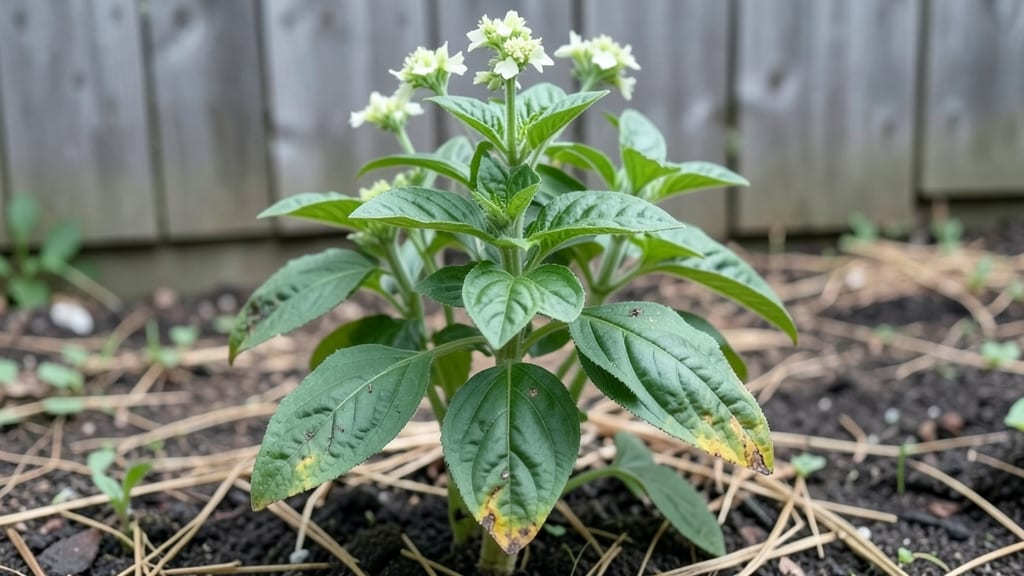
Growing tree basil from seeds gives you a kitchen staple with thick, woody stems that keep producing leaves for months—way longer than regular basil.
I learned the hard way that these seeds need warmth and patience, but the payoff is worth it: a plant that grows 3-4 feet tall and never bolts in the heat.
The secret starts with the right soil mix and consistent moisture, not just dumping seeds in a pot and hoping.
You’ll need a sunny spot (at least 6-8 hours of light daily) and well-draining potting mix—tree basil hates soggy roots. Start seeds indoors 6-8 weeks before your last frost in small pots, and keep them warm (around 70°F) until they sprout.
Once they’re 2-3 inches tall, transplant them outdoors after all frost risk has passed, spacing them 18-24 inches apart for full growth.
The real magic happens when you pinch back the tips regularly—this encourages bushier growth and more leaves. By week 6, you’ll have enough fresh basil for pesto, salads, or garnishes that taste 10 times better than store-bought.
The plant keeps producing all season long, even when regular basil gives up in the heat.
Common mistakes? Overwatering (the #1 killer) or letting it dry out completely. And if you’re buying seeds, look for reputable sellers—cheap seeds often don’t germinate well. Once you’ve got one thriving, you’ll wonder why you ever bought basil from the grocery store.
📚 In This Guide
- What you need
- Instructions
- Tips and common mistakes
- Wrapping up and next steps
What you need
- ● Tree basil seeds: 10–20 seeds (organic, non-GMO preferred for best flavor).
- ● Seed-starting mix: 2–3 cups of lightweight, well-draining potting soil (avoid garden soil—it’s too dense!).
- ● Seed trays or small pots: 4–6 biodegradable or plastic pots (3–4 inches wide) with drainage holes.
- ● Grow lights or sunny windowsill: 6–8 hours of indirect sunlight daily (or a 12-hour LED grow light if natural light is limited).
- ● Spray bottle: For gentle watering (avoid over-saturating seeds!).
- ○ Fertilizer (optional but helpful): 1 tsp of balanced liquid fertilizer (5-5-5 NPK ratio) or compost tea for transplanting.
- ● Tweezers or pencil: To gently press seeds into soil (no deeper than ¼ inch!).
- ● Humidity dome or plastic wrap: To retain moisture while seeds germinate (remove once sprouts appear).
- ● Pruning shears: Small, sharp scissors for trimming basil as it grows (sterilize with rubbing alcohol!).
- ● Larger container or garden bed: 12–18 inch pot or outdoor space (after 4–6 weeks, when seedlings are sturdy).
- ● Watering can with a fine rose: For even moisture distribution (overwatering = sad seeds!).
- ● 🌡️ Temperature matters! Keep soil between 70–80°F for fastest germination (a heating mat helps in cool climates).
- ● ✨ Label your pots—tree basil looks like other herbs until it’s mature (mark with a popsicle stick!).
- ● 🔄 Rotate pots weekly for even light exposure (prevents leggy seedlings!).
Step-by-Step guide to growing tree basil from seeds
Here's how to cultivate vigorous tree basil plants that thrive for months and deliver abundant leaves for pesto.
Prepare Containers and Seed Starting Mix
Fill 4-inch diameter pots with 2 gallons of seed starting mix, pressing it down lightly to eliminate air pockets but not compacting it. I prefer biodegradable pots because they let me transplant without disturbing the delicate roots later. Moisten the mix until it holds together when squeezed but doesn't feel soggy—think of a well-wrung sponge.
Tree basil seeds germinate best in warm soil, so place the pots on a seedling heat mat set to 75-80°F. This ensures faster germination and stronger seedlings. If you don't have a heat mat, place the pots in a warm spot like on top of your refrigerator. The seeds need consistent warmth to break dormancy.
Sow Seeds at the Correct Depth
Sprinkle 4-5 seeds per pot, spacing them ½ inch apart in a loose circle. Press them lightly into the soil surface—no deeper than ⅛ inch—since tree basil seeds need light to germinate. Cover them with a thin layer of fine vermiculite to help retain moisture without burying the seeds.
Mist the soil surface with a spray bottle until evenly damp but not wet. Overwatering at this stage can cause the seeds to rot before they sprout. Place a clear plastic dome or wrap a plastic bag loosely over the pots to create a humid environment. Check daily for condensation—if you see water droplets on the plastic, remove it for 30 minutes to prevent fungal growth.
Provide Optimal Light and Moisture
Once the seeds sprout—typically within 7-14 days—remove the plastic cover immediately. Tree basil seedlings need bright, indirect light for the first week to prevent leggy growth. Position them 6 inches below a grow light or in a south-facing window where they receive 6-8 hours of filtered sunlight daily. You'll know they're getting enough light when the leaves are dark green and compact.
Water the seedlings when the top ½ inch of soil feels dry, using room-temperature water to avoid shocking the roots. I like to water from the bottom by placing the pots in a shallow tray of water for 10 minutes, then letting them drain completely. This method encourages deep root growth, which is essential for tree basil's long-term vigor.
Thin and Transplant for Stronger Growth
When the seedlings develop 2-3 sets of true leaves—about 3-4 weeks after sowing—thin them to the strongest plant per pot. Use clean scissors to snip the weaker stems at soil level, leaving the healthiest one. This reduces competition for nutrients and promotes bushier growth. After thinning, fertilize lightly with a balanced liquid fertilizer diluted to half strength to encourage robust foliage.
After 6-8 weeks, when the plants reach 6-8 inches tall, transplant them into 1-gallon containers filled with 2 gallons of potting mix. Choose containers with drainage holes to prevent waterlogging, which can cause root rot. Handle the seedlings gently by their leaves to avoid damaging the stems, and water thoroughly after transplanting to help them establish in their new home.
Maintain for Continuous Harvesting
Tree basil thrives in full sun (6+ hours daily) and well-draining soil. Once established, water when the top inch of soil feels dry, aiming for 1 inch of water per week. During hot summer months, you may need to water more frequently, but always allow the soil to dry slightly between waterings to prevent fungal issues.
Pinch off the top set of leaves when the plant reaches 12 inches tall to encourage bushier growth. Continue harvesting regularly by cutting ⅓ of the plant just above a leaf node. This promotes new growth and keeps the plant productive for months. With proper care, your tree basil will reward you with a steady supply of fresh leaves perfect for pesto.
Tips & tricks for growing vigorous tree basil plants
A few subtle adjustments can transform your tree basil from a struggling seedling to a thriving pesto powerhouse. These are the insights I wish I'd known when I first tried growing my own.
Warmth is Non-Negotiable: In Step 1, maintaining that 75-80°F soil temperature is absolutely critical. I've found that placing pots on top of refrigerators works surprisingly well when heat mats aren't available, but be consistent—fluctuations below 70°F can delay germination by weeks. For even better results, consider using a small space heater dedicated just to your seedling area, keeping it running 24/7 during the germination phase.
The Light Transition Matters: When you remove that plastic cover after 7-14 days in Step 3, don't rush to full sun immediately. Tree basil seedlings need a gradual transition to prevent sunburn. Start with 3-4 hours of morning sun for the first 3 days, then increase by 1-2 hours daily until reaching the full 6-8 hours recommended. The first week is when you'll see the biggest difference in plant health—leggy, pale seedlings mean they're reaching for more light.
Fertilizer Timing is Everything: The instructions mention fertilizing after thinning in Step 4, but I've learned to be even more precise. Wait until you see new growth appear after transplanting—usually 7-10 days post-thinning—before applying that diluted fertilizer. This gives the plants time to recover from the transplant shock. I also recommend using a fertilizer with higher nitrogen content (like 10-5-5 ratio) during the early growth stages to promote leafy basil development.
Harvesting Technique for Continuous Growth: When you reach Step 5 and begin harvesting, there's a specific way to maximize regrowth. Always cut just above a leaf node where new shoots emerge, and never take more than ⅓ of the plant at once. I've found that harvesting in the morning gives plants the full day to recover before nightfall, and it's always better to harvest more frequently in smaller amounts rather than taking large cuts infrequently. This keeps your basil bushy and productive for months.
Pro Tips for Tree Basil Seeds
- A few subtle adjustments can transform your tree basil from a struggling seedling to a thriving pesto powerhouse.
- Warmth is Non-Negotiable: In Step 1, maintaining that 75-80°F soil temperature is absolutely critical.
- The Light Transition Matters: When you remove that plastic cover after 7-14 days in Step 3, don't rush to full sun immediately.
Frequently asked questions
How long does it take for tree basil seeds to sprout?
Tree basil seeds typically sprout within 7–14 days after planting, depending on soil warmth and moisture. Keep the soil consistently damp (not soggy) and place pots in a sunny spot. If no sprouts appear after 2 weeks, try gently pressing the seeds deeper into the soil or using a heat mat to speed germination.
Can I grow tree basil indoors year-round?
Tree basil thrives indoors with 6+ hours of sunlight daily (use grow lights if natural light is limited). Ensure good airflow, water when the top inch of soil feels dry, and fertilize every 4–6 weeks. Just watch for pests like spider mites—wipe leaves with neem oil if needed!
What’s the best way to harvest seeds from tree basil?
Let 10–20% of flowers on your basil plant mature into seed pods (they’ll turn brown and brittle). Snap them off, dry the seeds in a paper bag for 1–2 weeks, then rub them between your fingers to separate. Store seeds in an airtight container in a cool, dark place for up to 2 years.
Why are my tree basil leaves turning yellow?
Yellow leaves usually signal overwatering (check soil moisture) or nutrient deficiency (try a balanced liquid fertilizer). If lower leaves yellow first, it’s normal aging—prune them off. For sudden yellowing, reduce watering and ensure pots have drainage holes to prevent root rot.
Are tree basil seeds non-GMO and heirloom?
Most tree basil seeds sold online are non-GMO and heirloom, but always check the packaging or seller’s description. For certified organic seeds, look for labels like "USDA Organic" or buy from reputable seed banks. Save seeds from your own plants to ensure purity!
Wrapping up and next steps
Growing your own tree basil seeds is a rewarding journey that brings fresh, aromatic herbs right to your kitchen in just six weeks! 🌱 Whether you're a seasoned gardener or a beginner, these fast-growing plants offer endless possibilities—from vibrant pesto to fragrant garnishes.
Now that you’re equipped with the right tools and answers to common questions, there’s no better time to get your hands dirty and start planting.
Ready to take the next step? Mark your calendar, gather your supplies, and watch your basil thrive. Who knows? You might just inspire others to grow their own green goodness too! 🌿