
Pests and Diseases
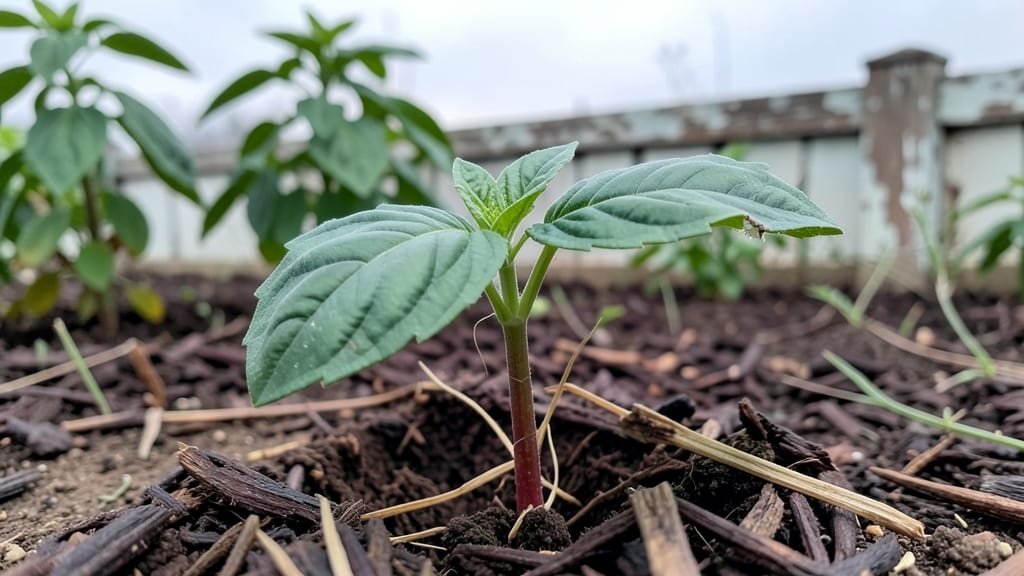
That first pair of true leaves means your seedling is ready for a cold-moist boost—this is when roots really start flexing their power. 🌱 I’ve watched two-leaf seedlings like tomatoes and peppers transform from wobbly stems into stocky, self-sufficient plants by giving them the right conditions early.
The secret isn’t complicated: cooler soil temperatures and consistent moisture trigger stronger root growth before true leaves even unfurl.
Most gardeners overlook this stage, but it’s where you set the foundation for fast transplant success. Leggy seedlings? That’s a sign they’re stretching for light, not roots. Instead, aim for 60-65°F soil and keep the surface damp (not soggy) to encourage downward growth.
True leaves—those second set after the cotyledons—should be firm and vibrant, not yellow or curled.
By the time your seedlings hit this two-leaf mark, you’ll be ready to harden them off in 7-10 days with stronger stems that handle transplant shock like pros.
The roots will be branching out aggressively in that moist, cool environment, giving you plants that take off running once they hit the garden. No more sad, stunted transplants—just moist, muscular growth.
Works for tomatoes, peppers, eggplants, and other dicots. The key is acting fast once you spot those true leaves—don’t wait until they’re leggy. Here’s how to keep them thriving through this critical window.
Rooting Issues Explained
Understanding why seedlings develop into a two-leaf stage (or fail to progress) often comes down to environmental stress, improper germination techniques, or biological factors. Here’s a breakdown of the most common causes—and how to fix them before they derail your growth.
Seedlings thrive in consistent warmth, but sudden temperature swings can stall growth. If your seedlings are stuck at the two-leaf stage, check these factors:
- Too Cold: Below 60°F (15°C), enzymatic activity slows, halting root and shoot development.
Cold soil also increases disease risk (like damping-off). - Too Hot: Above 85°F (29°C), seedlings may wilt or develop weak stems, preventing them from pushing through the soil. - Day-Night Swings: Extreme fluctuations (e.g., 50°F at night to 90°F during the day) confuse the plant’s circadian rhythm, stunting growth.
Actionable Fix:
- Use a seedling heat mat (70–75°F / 21–24°C) for consistent warmth.
- Place trays in a south-facing window or under grow lights (12–16 hours/day).
- Monitor with a soil thermometer—ideal range is 65–75°F (18–24°C).
Water is the lifeblood of germination, but too much or too little can lock seedlings in the two-leaf phase.
- Overwatering: Soggy soil cuts off oxygen, leading to root rot or damping-off (a fungal disease that kills seedlings at the soil line).
- Underwatering: Dry soil triggers osmotic stress, forcing the plant to conserve energy instead of growing.
- Inconsistent Watering: Uneven moisture causes cellular dehydration, stunting cell division in the shoot apical meristem (where new leaves form).
Actionable Fix:
- Use bottom-watering trays to keep moisture steady without over-saturating.
- Water only when the top inch of soil feels dry (stick your finger in—no guesswork!).
- Mist seedlings lightly 2x/day if humidity drops below 50% (a humidity dome helps).
Seedlings need light to photosynthesize, but poor lighting forces them to stretch (etiolation) or stall entirely.
- Weak or Indirect Light: Without 12+ hours of light/day, seedlings can’t produce chlorophyll efficiently, leading to yellowing (chlorosis) and stunted growth.
- Too Much Direct Sun: Young leaves can scorch, halting development.
- Blocked Light: Overcrowded trays or tall neighbors shade seedlings, limiting energy for new leaves.
Actionable Fix:
- Grow lights (LED or fluorescent) are best—place them 2–4 inches above seedlings.
- Rotate trays daily for even light exposure.
- If using natural light, supplement with a timer-based grow light (especially in winter).
Not all seeds are created equal—and some may be dormant, old, or damaged before you even plant them.
- Low Germination Rate: Seeds older than 1–2 years (depending on the plant) may fail to sprout or grow weakly.
- Improper Storage: Seeds exposed to moisture or temperature extremes can develop mold or lose viability.
- Genetic Factors: Some varieties (like heirloom or hybrid seeds) have slower germination times or may naturally produce fewer leaves early on.
Actionable Fix:
- Test viability by soaking seeds in water—sinkers are good, floaters are bad.
- Store seeds in a cool, dry place (below 40°F / 4°C) in airtight containers.
- If stuck at two leaves, thin seedlings—sometimes the strongest one just needs space to grow.
Damping-off, Pythium, or Rhizoctonia can attack seedlings, causing them to wilt, collapse, or stop growing at the two-leaf stage.
- Symptoms: Blackened stems at the soil line, mushy roots, or sudden wilting.
- Causes: Overwatering, poor drainage, or contaminated soil (from reused trays or compost).
- Spread: Fungal spores thrive in cool, wet conditions—ideal for two-leaf seedlings struggling to break through damp soil.
Actionable Fix:
- Sterilize trays with a 10% hydrogen peroxide solution (1 part peroxide to 9 parts water).
- Use well-draining soil (mix in perlite or vermiculite).
- Prevent spread by removing infected seedlings immediately and isolating healthy ones.
Seedlings need micro-nutrients to grow, but over- or under-fertilizing can halt progress.
- Too Much Fertilizer: High salt concentration (from concentrated nutrients) burns roots, preventing water uptake.
- Too Little Fertilizer: Without nitrogen (N), seedlings can’t produce new leaves; phosphorus (P) is critical for root development.
- Imbalanced pH: Soil pH outside 5.8–6.5 locks out nutrients like iron, zinc, or magnesium, causing stunted growth.
Actionable Fix:
- Wait to fertilize until seedlings have true leaves (not just cotyledons).
- Use a dilute, organic starter fertilizer (like fish emulsion at ½ strength).
- Test soil pH with a kit—amend with lime (to raise pH) or sulfur (to lower it) if needed.
Tiny pests like fungus gnats, aphids, or spider mites can sap energy from seedlings, leaving them weak and stuck at two leaves.
- Symptoms: Sticky residue (honeydew), chewed leaves, or slow growth.
- Why It Happens: Pests thrive in moist, warm conditions—perfect for struggling seedlings.
- Impact: Seedlings divert energy to repair damage instead of growing new leaves.
Actionable Fix:
- Inspect leaves daily under a magnifying glass.
- Use sticky traps for fungus gnats or spray with neem oil (mix 1 tsp per quart of water).
- Avoid overwatering—dry soil deters pests.
Fixing Weak Starts in Seedlings
When your young plants struggle to thrive—whether from damping-off, poor drainage, or weak germination—quick action can turn the tide. Below are practical, step-by-step solutions tailored to common issues, along with prevention tips to keep future seedlings strong and resilient.
Damping-off is a fungal nightmare that turns crispy stems into sad, collapsed seedlings. Act fast with these fixes:
🔥 Step 1: Remove the Problem
- 👨🍳 Pull out infected seedlings (including the soil around them) to stop the fungus from spreading. Do not compost them—toss them in the trash instead.
- 🔪 Sterilize tools with rubbing alcohol or a 10% bleach solution to avoid cross-contamination.
🥘 Step 2: Improve Airflow & Light
- ⏰ Thin out seedlings so they’re spaced 1–2 inches apart (depending on the plant). Crowding traps moisture and encourages fungus.
- 💡 Move to a brighter spot—seedlings need 12–16 hours of light daily.
Use a grow light if natural light is lacking.
🌡️ Step 3: Adjust Watering & Soil
- 💧 Water from below (use a tray or bottom-watering method) to keep stems dry.
Avoid overhead watering—it spreads spores like wildfire. - 🌱 Switch to a fungicide spray like baking soda solution (1 tsp baking soda + 1 quart water + a few drops of dish soap) or hydrogen peroxide (3%) (1 part peroxide to 3 parts water).
Spray every 3–4 days until the issue clears. - ✨ Repot survivors into fresh, sterilized soil mixed with perlite or sand to improve drainage.
If your seedlings look yellow, wilted, or have mushy stems, they’re drowning in their own moisture.
🔥 Step 1: Drain & Dry
- 👨🍳 Stop watering immediately and let the soil dry out. If using trays, empty excess water and elevate pots on a rack.
- 🌡️ Check soil moisture with your finger—it should feel damp but not soggy.
If it’s still wet after 24 hours, repot into well-draining mix.
🥘 Step 2: Revive with Fresh Air
- 💡 Gently pat dry any waterlogged soil around seedlings. Use a paper towel to blot excess moisture from stems.
- ⏰ Increase airflow by moving seedlings to a less humid spot (avoid bathrooms or enclosed greenhouses).
🌱 Step 3: Prevent Future Issues
- 💧 Water only when the top inch of soil is dry—use a spray bottle for delicate seedlings.
- ✨ Use containers with drainage holes and terracotta pots (they wick away moisture).
- 🌡️ Add perlite or vermiculite to soil (20–30%) to improve aeration.
If your seedlings are tall and leggy or just not growing, they’re likely nutrient-deficient or light-starved.
🔥 Step 1: Boost Light Exposure
- 👨🍳 Move seedlings within 2–3 inches of a grow light (or closer to a sunny window). South-facing windows are best, but supplement with LED grow lights if needed.
- ⏰ Rotate trays daily so seedlings don’t lean toward one light source.
🥘 Step 2: Fertilize Gently
- 💡 Wait until seedlings have 2–3 true leaves before fertilizing. Use a diluted, balanced liquid fertilizer (like 5-5-5 or 10-10-10) at half strength.
- 🌡️ Avoid over-fertilizing—this can burn tender roots. Fish emulsion (1-2-2) is a great organic option.
🌱 Step 3: Strengthen Roots
- ✨ Try a root booster like mycorrhizal fungi or seaweed extract to encourage root development.
- 💧 Water deeply but infrequently—deep watering encourages roots to grow downward.
Once you’ve revived your seedlings, keep them thriving with these proactive strategies:
- 💡 Sterilize everything—pots, trays, soil, and tools—before starting new seeds.
- 🌡️ Use a seedling heat mat (70–75°F) to speed germination and prevent cold stress.
- 🌱 Start seeds in small cells or peat pots to avoid overcrowding early on.
- 💧 Mist seeds lightly (not soaking) to maintain humidity without drowning them.
- ✨ Rotate crops if reusing containers to prevent soil-borne diseases.
By addressing the root cause (literally!) and adjusting care habits, your seedlings will grow stronger, faster, and healthier. No more sad, weak starts—just vibrant, root-ready plants! 🌱💪
Frequently asked questions about two-leaf seedlings
What’s the difference between cotyledons and true leaves?
The first pair of leaves you see are cotyledons—they’re the plant’s first food storage leaves, not true leaves. True leaves appear next (like the second pair) and are what you’ll see when your seedling reaches the two-leaf stage. Cotyledons are usually thicker and rounder, while true leaves are thinner and more defined.
Why are my two-leaf seedlings turning yellow?
Yellowing at this stage usually means overwatering or nutrient deficiency. Check if the soil stays soggy—seedlings need moisture but not drowning. Also, ensure they’re getting enough light (12+ hours/day). If yellowing persists, try a dilute fish emulsion fertilizer (½ strength) for a gentle nutrient boost.
When should I transplant two-leaf seedlings?
Wait until they’ve developed 3-4 true leaves and have strong stems—not just two leaves. At this stage, roots are still developing, so transplanting too early can shock them. Harden off seedlings for 7-10 days first by gradually exposing them to outdoor conditions (start with 1-2 hours/day).
How do I prevent leggy two-leaf seedlings?
Leggy seedlings stretch for light. Keep them 2-4 inches from grow lights (or in bright, indirect sunlight) and rotate trays daily. Use cool-white LED bulbs (6500K) for optimal growth. Avoid overcrowding—thin seedlings to 1 inch apart to improve airflow and light penetration.
Can I save a two-leaf seedling with blackened stems?
Blackened stems at the soil line are a sign of damping-off fungus. Unfortunately, infected seedlings rarely recover. Remove them immediately to prevent spread. Sterilize trays with 10% hydrogen peroxide (1:9 ratio) and repot healthy seedlings in fresh, well-draining soil mixed with perlite to improve airflow.