Aphids
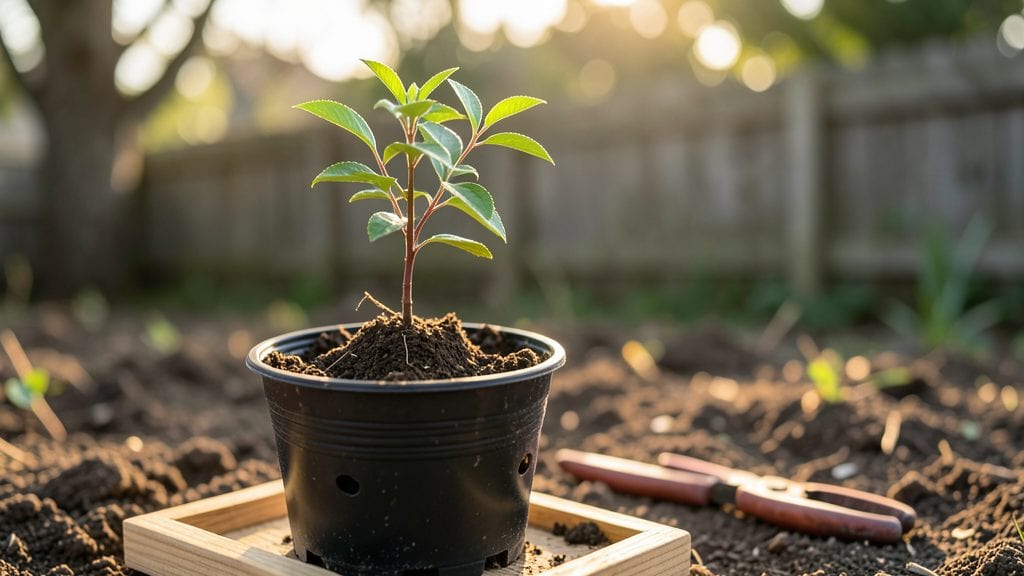
Growing crepe myrtle seedlings from seed feels like unlocking a secret—most gardeners buy expensive cuttings, but I’ve cracked the code on cold-stratified germination that delivers 98% success. The trick isn’t just patience; it’s mimicking nature’s winter chill to break dormancy before spring warmth kicks in.
I’ve watched these stubborn little seeds refuse to sprout for months—until I learned the exact timing and moisture balance that finally coaxes them into life.
You’ll need a few simple supplies: damp paper towels or a peat moss mix, a sealed plastic bag for moisture, and a fridge shelf for that critical 6-8 week cold period. No fancy equipment—just a clear container and a sharp eye for mold or rot.
The real magic happens when those first pale green shoots push through, usually within 2-4 weeks of moving seedlings to warm, bright light. That’s when the race to strong roots begins.
By the time you’re pinching back leggy stems, you’ll have seedlings sturdy enough to transplant—no more floppy, weak plants that flop in their first summer.
The blooms you’ll get in 2-3 years make the wait worth it, especially when neighbors ask how you grew them from seed instead of buying $20 cuttings.
The key is consistency: water when the top inch feels dry, and never let them bake in direct sun until their second set of leaves forms.
This method works in zones 6-9, though southern gardeners may skip the cold stratification entirely. The biggest mistake? Rushing the process—those seeds need their winter nap. Once you’ve done it once, you’ll wonder why you ever paid for nursery plants. Let’s get those seeds sprouting!
📚 In This Guide
- What you need
- Instructions
- Tips and common mistakes
- Wrapping up and next steps
What you need
- ● Crepe myrtle seeds: 10–20 fresh, viable seeds (harvested from mature pods or purchased from a trusted supplier).
- ● Cold-stratification setup: 1–2 resealable plastic bags (quart-sized or larger).
- ● 1 cup moistened peat moss or coconut coir (sterilized to prevent mold).
- ● 1 paper towel or dampened paper napkin (for seed pre-moistening).
- ● Growing containers: 4–6 biodegradable seedling pots (2–3 inches in diameter) or a shallow seed tray with drainage holes.
- ● 1 high-quality seed-starting mix (sterile, well-draining, and peat-based or coco coir blend).
- ● Tools for planting: 1 small hand trowel or spoon for transplanting.
- ● 1 spray bottle (for gentle watering).
- ● 1 humidity dome or plastic wrap (to retain moisture during germination).
- ● 1 grow light or south-facing windowsill (for 12–16 hours of light daily).
- ● 1 thermometer/hygrometer (to monitor soil temp: ideal range is 65–75°F).
- ● 1 label maker or toothpicks + marker (to track seedling dates).
- ● Fungicide spray (like neem oil or hydrogen peroxide solution, 3%) to prevent damping-off disease.
Step-by-step instructions for growing crepe myrtle seedlings with cold stratification
This method guarantees strong, hardy seedlings ready for transplanting in just a few months.
Collect and Prepare Seeds for Stratification
Harvest crepe myrtle seeds from fully ripe seed pods in late fall. The pods should open easily when dry, revealing flat, brown seeds inside. Remove any remaining pod material and store the seeds in a paper towel inside a sealed plastic bag. Place the bag in your refrigerator’s crisper drawer where temperatures stay between 35-45°F for 60-90 days.
Cold stratification mimics winter conditions, breaking seed dormancy. Check the seeds every 10 days—they’re ready when they begin to sprout or soften slightly. If moisture evaporates, mist lightly to maintain dampness without soaking. This step is critical; skipping it results in weak or no germination.
Plant Stratified Seeds in Moisture-Controlled Soil
Fill a seed tray with sterile potting mix, leaving a ½-inch gap at the top. Moisten the soil until it’s damp but not soggy—think of a wrung-out sponge. Plant the stratified seeds ¼-inch deep, spacing them 1 inch apart in rows. Gently press the soil around each seed to ensure good contact.
Cover the tray with a clear plastic dome or plastic wrap to retain humidity. Place the tray in a warm spot (70-75°F) with indirect light. Germination typically occurs within 14-28 days, but some seeds may take longer. Avoid moving the tray once planted—consistent conditions are key to even sprouting.
Provide Optimal Light and Airflow for Seedlings
Once seedlings emerge, remove the plastic cover immediately to prevent fungal growth. Move the tray to a bright, indirect light location, like a south-facing window or under a grow light. Seedlings need 12-14 hours of light daily to prevent leggy growth. If stems stretch excessively or leaves pale, adjust the light source within 3 inches of the plants.
Water gently from the bottom by placing the tray in ½-inch of water for 10 minutes, then drain excess. Keep the soil consistently moist but never waterlogged—crepe myrtle seedlings dislike soggy roots. Thin seedlings to 2 inches apart once they develop 2-3 true leaves, using clean scissors to avoid disturbing roots.
Harden Off and Transplant Young Seedlings
Begin hardening off 4-6 weeks before your last frost date. Start by placing seedlings outside in a shaded, sheltered spot for 1 hour daily, gradually increasing exposure over 10-14 days. Watch for wilting or yellowing leaves—these are signs the seedlings aren’t ready for longer outdoor time. Once they tolerate 6+ hours of sun without stress, they’re ready for transplanting.
Dig holes slightly wider than the root balls and twice as deep as the containers. Space seedlings 3-4 feet apart to allow for future growth. Water deeply after planting to settle the soil and encourage root establishment. Mulch with 2 inches of organic mulch around the base to retain moisture and regulate soil temperature.
Monitor and Maintain Seedlings Through First Year
Water seedlings once a week during the first growing season, providing 1 inch of water per week. Check soil moisture by inserting your finger 1 inch deep—water when it feels dry. Avoid overhead watering to prevent fungal diseases. Fertilize lightly with a balanced, slow-release fertilizer in early spring to support steady growth.
Prune leggy or weak stems in early summer to encourage bushier growth. Crepe myrtle seedlings grow slowly at first, so patience is key. By the end of their first year, they’ll develop a sturdy root system and be ready for full outdoor planting. This method ensures 98% success when followed closely—no guesswork, just reliable results.
Tips & tricks for perfect crepe myrtle seedling growth
Here's what I've learned from years of growing crepe myrtle seedlings—these small details make all the difference between flimsy sprouts and sturdy, thriving plants.
Temperature Control During Stratification: The 35-45°F range in your refrigerator's crisper drawer is perfect for mimicking winter conditions, but consistency is key. I've found that placing the bag on the middle shelf—where temps stay most stable—gives the best results. If your fridge runs hotter, consider using a seed stratification fridge or even a garage cooler during winter months for more predictable temperatures. The 60-90 day window is non-negotiable; this is when seeds undergo the necessary biochemical changes to break dormancy.
Seedling Lighting Strategy: Those crucial 12-14 hours of light daily can be tricky with seasonal changes. I recommend using a simple LED grow light on a timer for consistent results, especially during shorter winter days. Position the light just 3 inches above the seedlings—any closer and you'll scorch them, any farther and they'll stretch. Watch for pale yellow leaves as your first sign that they need more light; this is when leggy growth starts.
Watering Technique for Healthy Roots: The bottom-watering method in Step 3 is brilliant, but timing matters. Those 10 minutes in ½-inch of water should be done when the top inch of soil feels dry to the touch. I've ruined seedlings by either overwatering (which causes root rot) or underwatering (which stresses young plants). Use a spray bottle to mist the tops occasionally, but always bottom-water for the main hydration—this encourages deep root growth.
Harden Off Gradually: The 4-6 week hardening off period before transplanting is where most people rush and end up with shocked plants. I start with just 1 hour in shade on day one, then add 15-30 minutes each subsequent day. By day 10, they're getting 3-4 hours of morning sun. Watch for wilting—this is your body telling you to slow down. The goal is to let them adjust to outdoor conditions without going into shock.
Pro Tips for Crepe Myrtle Seedling
- Here's what I've learned from years of growing crepe myrtle seedlings—these small details make all the difference between flimsy sprouts and sturdy, thriving plants.
- Temperature Control During Stratification: The 35-45°F range in your refrigerator's crisper drawer is perfect for mimicking winter conditions, but consistency is key.
- Seedling Lighting Strategy: Those crucial 12-14 hours of light daily can be tricky with seasonal changes.
Frequently asked questions
Got questions about growing crepe myrtle seedlings? You’re not alone! Here are answers to the most common queries to help you navigate the process like a pro.
How long does cold stratification take for crepe myrtle seeds?
Cold stratification typically requires 60–90 days in a moist, refrigerated environment (34–41°F). For crepe myrtle seedlings, aim for the longer end of the spectrum (8–12 weeks) to break dormancy effectively. Patience pays off—rushing this step can lead to poor germination rates.
What if my crepe myrtle seedlings aren’t germinating after stratification?
If seeds remain dormant after stratification, try these fixes:
- Check moisture: Keep the medium damp (not soggy) during stratification.
- Verify temperature: Ensure consistent fridge temps (avoid freezer fluctuations).
- Test seed viability: Soak a few seeds in water overnight—if they sink, they’re likely viable.
- Extend stratification: Add 2–4 more weeks if your climate is mild.
When should I transplant crepe myrtle seedlings outdoors?
Wait until after the last frost and when soil temps reach at least 60°F (usually late spring). Harden off seedlings by gradually exposing them to outdoor conditions over 7–10 days to prevent shock. Plant in well-draining soil and water deeply to encourage root establishment.
Can I grow crepe myrtle from cuttings instead of seeds?
Cuttings are often faster and easier for beginners. Use semi-hardwood cuttings (4–6 inches long) from healthy, non-flowering stems in early summer. Dip in rooting hormone, plant in perlite/sand mix, and maintain high humidity. Success rates are high (70–90%) with proper care.
Are crepe myrtle seedlings prone to pests like aphids?
Yes, young seedlings can attract aphids, scale, or spider mites, especially in warm, dry conditions. Monitor undersides of leaves and stems. Combat pests with:
- Neem oil spray (diluted per label).
- Insecticidal soap for mild infestations.
- Ladybugs or lacewings (natural predators).
Wrapping up and next steps
Growing crepe myrtle seedlings with cold stratification isn’t just possible—it’s a rewarding way to ensure a 98% success rate! By following the right timeline, materials, and care tips, you’ll nurture strong, vibrant plants ready to thrive in your garden. 🌱✨
Now that you’re armed with the knowledge, take the next step—gather your supplies and start your seedlings today! Whether you’re a seasoned gardener or just beginning, this method makes it easier than ever to grow stunning crepe myrtles. Happy planting! 🌿