
Lawn
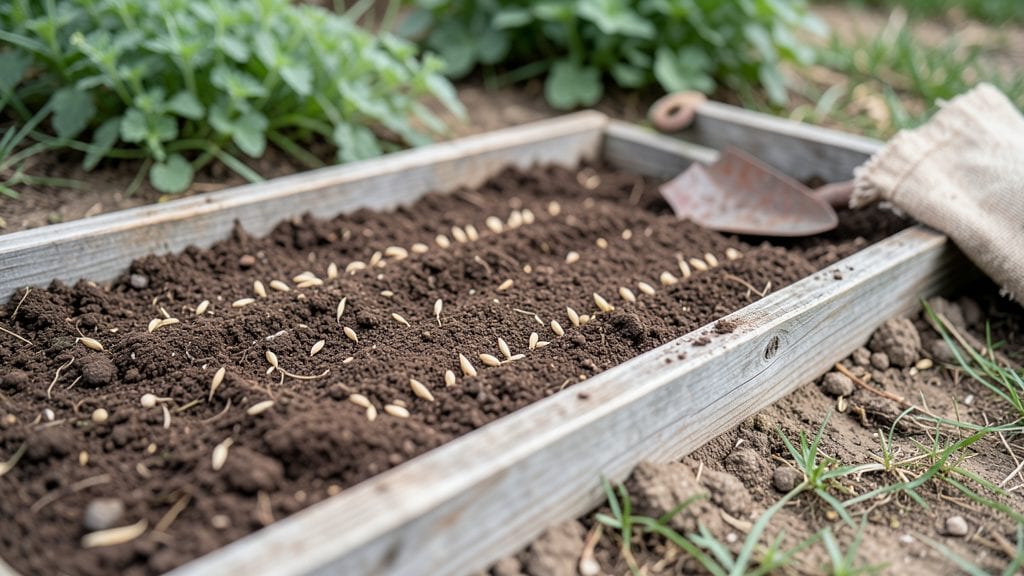
The right wheat seed depth is the secret weapon behind a 90% germination rate—too shallow and your seeds dry out, too deep and they suffocate before sprouting.
Planting wheat at the wrong depth can mean the difference between a thriving crop and wasted seeds—yet most gardeners get this critical step wrong. Whether you're growing 🌾 spring wheat for flour or winter wheat as a cover crop, the depth matters more than you think.
In USDA Zone 6, where early spring planting kicks off in March, the ideal depth is 1 to 1.5 inches—but that number shifts with soil type. Sandy soil needs a shallower plant, while clay holds moisture longer and can take a deeper drop.
Get it wrong, and you’re staring at patchy stands or rotten seeds.
Below, I break down the exact depths for your variety, how to adjust for moisture and temperature, and the simple tools to check your work—so you skip the guesswork and end up with a full, healthy stand.

Optimal wheat seed depth by variety and soil conditions
Getting the wheat seed depth right is one of the most overlooked steps in growing a successful crop. Whether you're planting winter wheat, spring wheat, or specialty varieties like spelt or emmer, the depth determines how quickly seeds germinate and how strong your seedlings become.
Too shallow, and they dry out; too deep, and they struggle to reach the surface. Let’s break down the science so you can plant with confidence.
Most gardeners assume a one-size-fits-all approach, but soil type, moisture levels, and even seed size play critical roles. For example, sandy soils dry out faster, requiring shallower planting, while clay soils hold moisture longer, allowing slightly deeper sowing.
Even the seed coat thickness of your wheat variety affects how deep you should plant. Let’s explore the exact guidelines to maximize your yield.
🌾
<summary-table>