
Trees
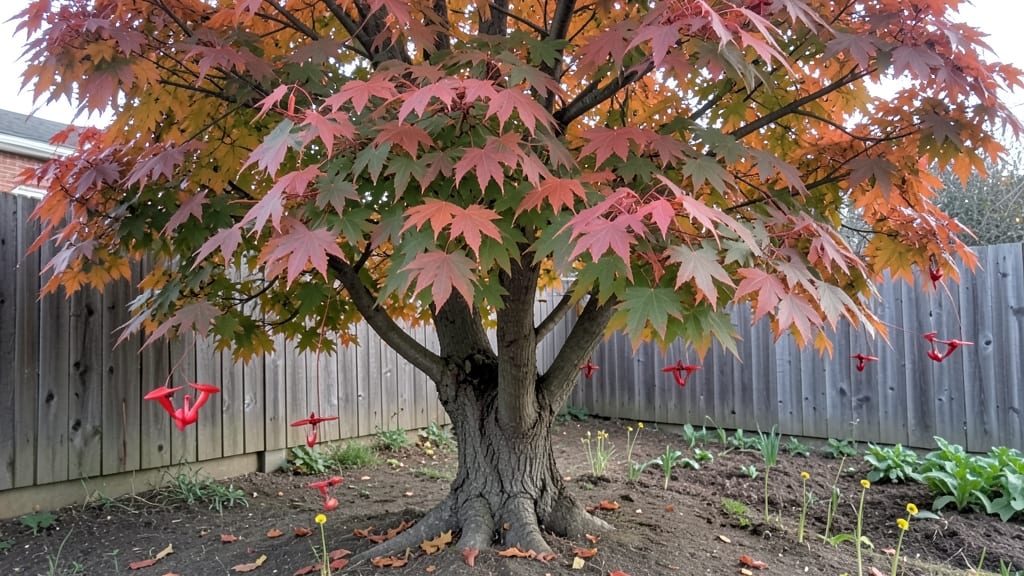
Maple seeds fall between late summer and early autumn 🌳, but the exact timing depends on the species and your climate zone.
Watching those iconic helicopter seeds spiral down is a classic autumn scene—but don’t expect it to happen the same year after year. Sugar maples might drop seeds in September, while silver maples often wait until October, and a late frost can push everything back by weeks.
If you’re planning for fall cleanup, wildlife feeding, or even maple seed crafts, knowing when to look up (or down) makes all the difference.
Below, I’ll break down the timing by species, the weather triggers that shift the schedule, and how to spot the signs that the seeds are ready to fall.
You’ll also discover how to use this natural cycle to your advantage—whether you’re prepping your garden or simply enjoying the show.
Maple seed drop timing by species: when to expect helicopters
Maple seeds—those iconic helicopter-shaped samaras—begin their descent in late summer, but the exact timing depends on the maple species and your local climate. For gardeners, wildlife enthusiasts, or anyone planning fall cleanup, knowing these details helps you prepare.
Some species drop seeds as early as late August, while others wait until October, with variations of 2-4 weeks based on temperature and daylight shifts.
Understanding these patterns isn’t just for curiosity—it impacts wildlife feeding, garden maintenance, and even tree health. For example, boxelder maples often release seeds earlier than sugar maples, which can affect when you need to clear them from lawns or set up bird feeders.
Let’s break down the seed drop windows by species and what triggers them.
| Species | Primary Drop Window | Regional Variations | Environmental Triggers |
|---|---|---|---|
| Sugar Maple (Acer saccharum) | Late September–October | Northeast: Late Sept; Midwest: Early Oct | Daylight <12 hours + temps <65°F |
| Red Maple (Acer rubrum) | Mid-September–Late October | Southeast: Early Sept; Northern zones: Late Oct | First frost or <60°F nights |
| Silver Maple (Acer saccharinum) | August–September | Warmer climates: July–August; North: Late Aug | High humidity + temps >75°F |
| Boxelder (Acer negundo) | Late August–September | Urban areas: Early; Rural: Late Aug | Drought stress or wind |
The sugar maple, famous for its syrup production, typically sheds seeds in late September to October, aligning with fall foliage peaks. This timing is triggered by shorter daylight hours and cooling temperatures, signaling the tree to prepare for winter.
In the Northeast, expect seed drop around mid-September, while the Midwest sees it 2-3 weeks later.
Red maples are more flexible, with seeds dropping from mid-September to late October. Their timing is closely tied to first frost dates—many trees release seeds just before hard freezes to ensure germination before winter. In southern climates, like the Southeast U.S., red maples may start as early as early September, while northern regions wait until October.
Silver maples are the early birds, often dropping seeds in August or September. Their aggressive growth habit means they prioritize reproduction early to capitalize on warm, moist conditions. In urban areas with heat islands, silver maples may release seeds as early as July, while cooler northern zones see drops in late August. High humidity accelerates their seed release.
If you’ve ever wondered why boxelder maples seem to drop seeds earlier than other species, it’s because they’re fast-growing and stress-sensitive. Drought or wind stress can trigger early seed drop, often in late August.
These trees thrive in urban environments, where their seeds may appear weeks before those of other maples. Their timing also varies year to year
Climate and weather factors that delay or advance maple seed fall
Understanding why maple seeds fall when they do is all about reading the weather cues your local maple trees receive. Temperature shifts, daylight hours, and even elevation changes can push seed drop weeks earlier or delay it until deep autumn.
For example, a hot summer might trigger early seed production, while cool springs often push timing later. These variations explain why your neighbor's sugar maple might drop seeds in late August while yours waits until October.
Maple trees rely on photoperiodism—their internal clock responds to decreasing daylight. When days grow shorter, trees shift energy from leaf production to seed maturation. However, temperature spikes can override this natural rhythm. A sudden heatwave in September might accelerate seed drop, while an unseasonably cool autumn can stall it.
This is why elevation matters: trees at higher altitudes often experience cooler temperatures, delaying seed fall by 2-3 weeks compared to lowland areas.
⚠️ Frost Risk Alert
A sudden frost before seed drop can kill unripe samaras, leaving your tree barren. Monitor 10-day forecasts in late summer—if nighttime temps dip below 40°F (4°C), protect young trees with burlap wraps or row covers to preserve seed production for next year.
Drought conditions play a surprising role too. While maple trees are drought-tolerant once established, prolonged dry spells during seed development can reduce seed viability or cause premature drop. I’ve seen silver maples in arid regions release seeds in July—a full month early—due to stress-induced flowering.
Always check local rainfall trends if you're relying on maple seeds for wildlife feeding or garden mulch.
To predict your local pattern, start with historical data from nearby weather stations. The USDA Plant Hardiness Zone Map offers a baseline, but cross-reference with National Oceanic and Atmospheric Administration (NOAA) records for your county.
For instance, Zone 5—like northern New England—typically sees sugar maple seeds fall between mid-September and early October, while Zone 8—such as Georgia—may see them as early as late August.
For real-time tracking, use free forecasting tools like the National Weather Service’s Point Forecast or apps like Weather Underground. Set alerts for temperature drops below 60°F (15°C)—this often signals imminent seed drop.
I also recommend marking your calendar 2 weeks after the first frost as a backup cutoff; by then, most maple seeds will have fallen unless the tree is stressed.
If you’re planning for wildlife feeding or garden cleanup, time your preparations around these factors. For example, set up seed collection trays in early September—before peak drop—to capture the most samaras.
And if you’re pruning maple trees, do it before seed drop (late spring) to avoid disturbing the seed-producing branches. The key is balancing natural rhythms with practical planning—your maple tree’s schedule will thank you.