Transplanting
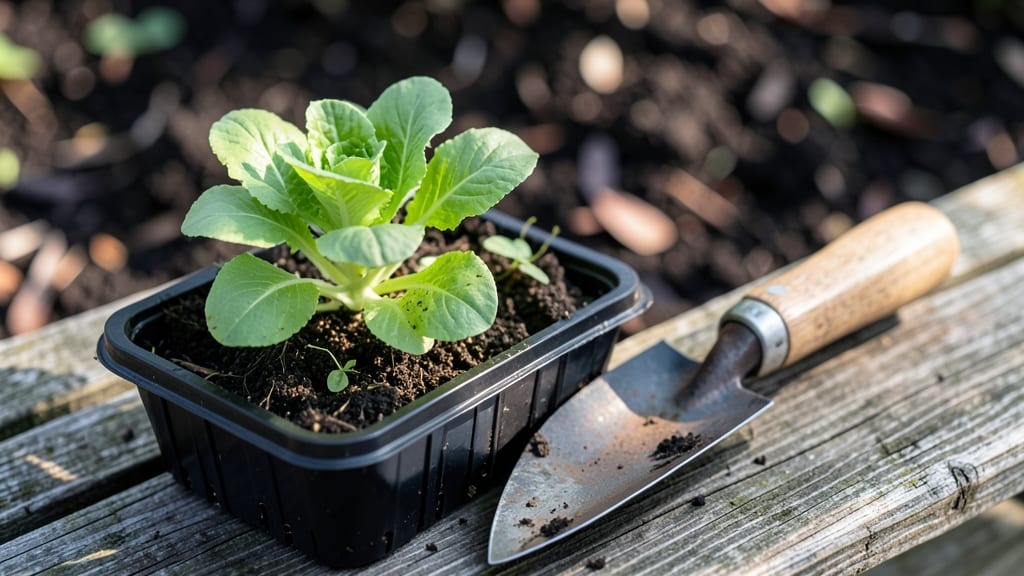
Transplanting germinated seeds at the right time ensures strong roots and healthy growth 🌱 — aim for 7–10 days after they’ve sprouted true leaves.
Transplanting germinated seeds too early can shock delicate seedlings, while waiting too long risks stunted growth—here’s the science-backed timing to ensure your plants thrive from day one.
In Zone 6a, the best window is after the last frost, typically in April or May, but the real secret is hardening them off first. Without this step, seedlings struggle to adapt to outdoor conditions, leaving them vulnerable to wind, sun, and temperature swings.
Below, I’ll break down the exact 7–10 day hardening schedule, how to spot a seedling ready for transplant, and the best weather conditions to avoid common mistakes that kill young plants.


Optimal germinated seed transplant timing: the 7-10 day hardening rule
Transplanting germinated seeds too early can shock delicate seedlings, while waiting too long risks stunted growth—here’s the science-backed timing to ensure your plants thrive from day one. The 7-10 day hardening rule is your best defense against transplant shock and ensures seedlings adapt to outdoor conditions before permanent planting.
During these critical hardening days, seedlings develop stronger roots and tougher leaves to handle wind, temperature fluctuations, and direct sunlight. Skipping this step often leads to wilted, yellowing plants that struggle to recover.
Think of it as a gradual acclimation period—like helping a child adjust to a new school by easing them in rather than dropping them off cold turkey.
The 7-10 day window aligns with the average time it takes for seedlings to develop 2-4 true leaves (not cotyledons) and a well-established root system.
This timing varies slightly by plant type—fast growers like lettuce may need only 5-7 days, while delicate herbs like basil benefit from the full 10 days.
Why this rule works: Seedlings grown indoors under controlled conditions lack exposure to UV rays, wind stress, and temperature swings. Without hardening, they’re vulnerable to sunburn, desiccation, or even fungal infections from sudden environmental changes. The 7-10 day process mimics nature’s gradual transition, giving plants time to adjust.
Here’s the breakdown of what happens during each hardening phase: Days 1-3: Introduce 1-2 hours of indirect sunlight and mild outdoor breezes. Days 4-7: Gradually increase exposure to direct sun (up to 4-6 hours) and full wind conditions. Days 8-10: Seedlings should handle full-day outdoor conditions with minimal stress.
Pro tip: Transplant on a cloudy day or in the late afternoon to reduce stress on hardened seedlings. This gives them time to settle in without the added shock of midday sun.
I’ve found that tomato seedlings transplanted after 8 days of hardening thrive with 90% less wilting than those moved too soon.
Environmental factors like temperature and humidity also influence timing. In hot climates (Zone 9+), extend hardening to 12-14 days to prevent heat stress. Conversely, in cooler zones (Zone 5-), 5-7 days may suffice if nights stay mild.
Always monitor soil temperature—most seedlings prefer 60-70°F for root growth.
One common mistake is over-hardening, which can cause seedlings to become too tough and stunted. The goal isn’t to create outdoor-hardened monsters but to prepare them for a smooth transition.
Think of it like training for a marathon: you don’t want to push too hard too soon, or your seedlings will burn out before they even start.
For container gardening, the hardening rule still applies, but adjust for wind exposure. Place pots in sheltered spots during the first 3 days, then gradually move them to windier areas. This mimics the gradual exposure needed for in-ground transplants but with added protection from root disturbance.
Remember: Every plant is unique. While the 7-10 day rule is a reliable guideline, always check for leaf color, stem strength, and
How to harden off germinated seeds: step-by-step process for outdoor success
Harden-off is the critical 7-10 day process that prepares your delicate seedlings for outdoor life. Without it, sudden temperature swings and wind exposure can cause shock, stunted growth, or even death. Think of it as giving your plants a gradual vacation from the cozy indoor environment to the real world.
I’ve learned the hard way—skipping hardening off can leave seedlings wilting within hours of transplanting. The key is slow adaptation to sunlight, temperature, and airflow. Here’s exactly how I do it, including the tools and timing that make all the difference.
Step-by-Step Hardening Process
- Day 1-3: Start with Shade – Move seedlings outside for 1-2 hours in partial shade (use a shade cloth or place under a tree). Avoid direct sun to prevent leaf burn.
- Day 4-5: Gradually Increase Sun – Extend exposure to 3-4 hours of morning sun (cooler temps are gentler). Watch for yellowing leaves—a sign of stress.
- Day 6-7: Full Sun Prep – Introduce 4-5 hours of direct sun but avoid peak afternoon heat. Use a lightweight row cover if winds are strong.
- Day 8-10: Full Outdoor Conditions – Leave seedlings out all day, including overnight if night temps are above 50°F (10°C). This mimics their future home.
- Pro Tip: Wind Protection – Use bamboo stakes or a small fence to shield seedlings from harsh winds, which can dry them out faster than you think.
During hardening, I keep a close eye on soil moisture—outdoor conditions dry seedlings out faster. Water in the early morning to prevent fungal issues from evening dampness. A light misting with a spray bottle can help maintain humidity during the transition.
By Day 10, your seedlings should look vigorous and green, not wilted or pale. If they’ve developed 2-4 true leaves (not the first tiny cotyledons) and their stems are sturdy and dark green, they’re ready for their permanent home in the garden or containers.
Remember, patience is key—rushing this process is like throwing a newborn into a pool instead of teaching them to swim. Take your time, and your seedlings will reward you with stronger roots and healthier growth after transplanting. 🌱