
Lawn
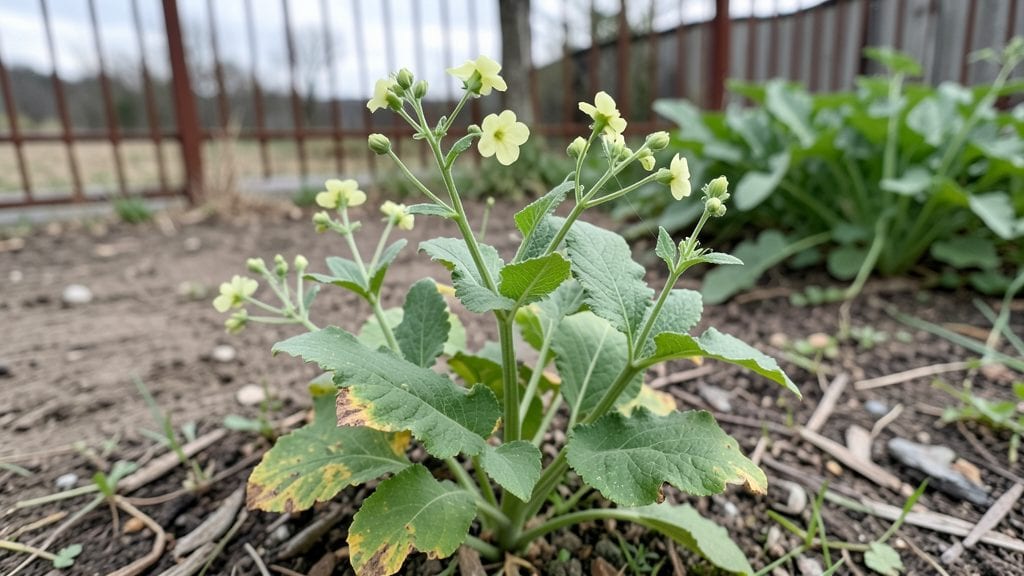
Growing wild mustard from seed is one of those gardening secrets that delivers bold, peppery greens in just 30 days—no fancy soil or greenhouse required. I’ve watched these fast-growing plants transform bare patches into lush, edible ground cover, and the best part?
They thrive where other plants struggle. The key lies in understanding their aggressive yet low-maintenance nature, which makes them perfect for beginners or anyone looking to fill gaps quickly.
You’ll need minimal supplies: a sunny spot (full sun is ideal, but they tolerate partial shade), loose soil that drains well, and a handful of seeds—wild mustard spreads effortlessly, so a little goes a long way.
The real magic happens in the first two weeks, when seedlings pop up faster than weeds, and within a month, you’ll have enough greens for salads or to share with pollinators. Just don’t let them go to seed unless you want a volunteer garden next year.
The payoff is twofold: you get nutrient-rich greens that taste like a cross between arugula and mustard, and you provide food for bees and butterflies. They’re also tough enough to handle light frost, so you can extend harvests into early spring or late fall.
The only challenge? Keeping them from spreading where you don’t want them—which, honestly, is a small price for such a productive plant.
Whether you’re growing them as a cover crop, a quick green harvest, or just to outcompete weeds, wild mustard delivers results without the fuss. Here’s how to get started—and avoid the one mistake that turns your garden into an unruly patch.
📚 In This Guide
- What you need
- Instructions
- Tips and common mistakes
- Wrapping up and next steps
What you need
- ● Wild mustard seeds: 1–2 oz (about 30–60g) – choose organic, non-GMO seeds for the best flavor and growth.
- ● Growing container: 1–2 shallow trays (6–8 inches deep) or a raised bed – ensure drainage holes are present!
- ● Potting soil: 1–2 bags of high-quality, well-draining organic soil mix (e.g., 50% garden soil + 50% compost).
- ● Watering can or spray bottle: A gentle spray works best to avoid disturbing seeds.
- ○ Garden gloves (optional but recommended): Protects hands from prickly stems later on!
- ● Hand trowel: For gently pressing seeds into soil (1–2 inches deep).
- ○ Row cover or lightweight fabric: Optional for seedling protection from pests or harsh weather.
- ○ Organic fertilizer (low-nitrogen): 1–2 tbsp of compost tea or fish emulsion (optional, for faster growth).
- ● Pruning shears: For harvesting mature greens cleanly.
- ● Sunlight access: A sunny spot (6+ hours of direct light daily) – a south-facing window or greenhouse works too!
Step-by-Step instructions for growing wild mustard seed
Here's how to transform those tiny wild mustard seeds into fast-growing, peppery greens in just 30 days.
Prepare the Soil and Planting Area
Wild mustard thrives in loose, well-draining soil with plenty of organic matter. Work the soil to a depth of 6 inches using a garden fork or tiller to break up any compacted areas. If your soil is heavy clay, mix in 2 inches of compost to improve drainage and fertility. Wild mustard is incredibly adaptable, so it will grow in poor soil, but rich soil produces faster, more flavorful harvests.
Choose a location that receives full sun to partial shade—wild mustard can handle both, but it grows most vigorously in at least 4-6 hours of direct sunlight daily. If planting in containers, ensure they have drainage holes to prevent waterlogging, which can cause the roots to rot. Wild mustard grows quickly, so spacing isn't critical, but aim for 1 inch apart in rows 12 inches apart for easier harvesting.
Sow the Seeds Directly or Start Indoors
Wild mustard seeds are tiny, so handle them carefully. For direct sowing, scatter the seeds evenly over the prepared soil and lightly press them into the surface—do not cover with soil, as they need light to germinate. A light misting of water will help settle the seeds into the soil without washing them away. If sowing in rows, use a small piece of cardboard or a seed tape to help space them evenly.
For faster results, start seeds indoors 2-3 weeks before the last frost date. Plant them in small pots filled with seed-starting mix, keeping the soil moist but not soggy. Place the pots in a warm location (65-75°F) until germination, which typically occurs in 5-10 days. Once seedlings have 2-3 true leaves, they’re ready to transplant outdoors, spacing them 1 inch apart in the garden.
Water and Maintain Moisture
Wild mustard seeds germinate quickly, often within 3-7 days, so keep the soil consistently moist during this time. Water gently but thoroughly, ensuring the top 1 inch of soil remains damp—not waterlogged. Once the seedlings emerge, reduce watering slightly but maintain even moisture. Wild mustard is drought-tolerant once established, but consistent watering during germination and early growth ensures strong, healthy plants.
Mulch around the plants with 1 inch of straw or shredded leaves to retain moisture and suppress weeds. Avoid heavy mulch, as wild mustard grows quickly and may outcompete weeds naturally. If you notice yellowing leaves, it’s often a sign of overwatering or poor drainage. Adjust your watering to keep the soil evenly moist but not saturated.
Thin and Harvest for Bold Flavor
When seedlings reach 1-2 inches tall, thin them to 1 inch apart to give each plant enough space to grow. Use scissors to snip unwanted seedlings at soil level—this prevents disturbing the roots of the remaining plants. Wild mustard grows rapidly, and you can begin harvesting the outer leaves 3-4 weeks after sowing when they reach 3-4 inches long. Harvesting encourages bushier growth and prevents the plant from bolting too quickly.
For the best flavor, pick leaves in the morning after the dew has dried but before the heat of the day sets in. You can harvest half the plant at a time, leaving the center to regrow. If the plant starts to flower, harvest the entire plant before it goes to seed—this ensures the best peppery flavor. With proper care, you can enjoy multiple harvests over 30-40 days from sowing.
Tips & tricks for growing wild mustard seed
These practical tips will help you grow vibrant, peppery wild mustard greens without the common pitfalls that often frustrate gardeners.
Soil Preparation Insight: In Step 1, working the soil to a depth of 6 inches isn't just about breaking up compacted areas—it's also creating an ideal environment for those tiny wild mustard seeds to establish strong root systems. If you're working with heavy clay soil, mix in that 2 inches of compost not just for drainage, but to introduce beneficial microbes that will help your plants thrive from the start. The key is to create loose, airy soil that won't compact when wet.
Seed Handling Technique: When sowing those delicate seeds in Step 2, I've found that using a small piece of cardboard or seed tape makes all the difference. The seeds are so tiny that even distribution becomes nearly impossible without some kind of guide. Another pro tip: after sowing, I like to place a fine mesh screen over the seeds to prevent birds from snacking on them while they germinate. This is especially important if you're sowing in an open garden bed rather than containers.
Watering Strategy: The 3-7 day germination window in Step 3 is when consistent moisture becomes absolutely critical. I've learned the hard way that letting the soil dry out during this period can significantly reduce your germination rate. Use a spray bottle or fine mist setting on your watering can to keep the top inch of soil damp without creating puddles. Once seedlings emerge, you can reduce frequency but maintain even moisture—wild mustard is surprisingly drought-tolerant once established.
Harvesting Timing: That 3-4 week mark for your first harvest in Step 4 is when the flavor really peaks. I've noticed that harvesting in the morning gives the freshest, most vibrant greens. The secret to continuous harvests is to always leave the central growth point intact—this encourages bushier growth and extends your harvest window. When you see those first flower buds appear, it's time to harvest the entire plant before it goes to seed, as the flavor becomes more bitter once flowering begins.
Pro Tips for Wild Mustard Seed
- These practical tips will help you grow vibrant, peppery wild mustard greens without the common pitfalls that often frustrate gardeners.
- If you're working with heavy clay soil, mix in that 2 inches of compost not just for drainage, but to introduce beneficial microbes that will help your plants thrive from the start.
- Seed Handling Technique: When sowing those delicate seeds in Step 2, I've found that using a small piece of cardboard or seed tape makes all the difference.
Frequently asked questions
Got questions about growing wild mustard seeds?
You’re not alone! Here are some of the most common ones—plus quick, actionable answers to help you grow bold, edible greens in just 30 days.
How long does it take for wild mustard seeds to germinate?
Wild mustard seeds typically sprout in 5–10 days under ideal conditions (warm soil, consistent moisture, and sunlight). For faster results, soak seeds overnight before planting or use a heat mat to speed up germination. Patience pays off—thin seedlings once they’re 2–3 inches tall to avoid competition!
Can I grow wild mustard seeds indoors?
Wild mustard thrives in containers with at least 6 inches of depth and a sunny windowsill or grow light. Use well-draining soil, keep it moist (not soggy), and harvest leaves when they’re 4–6 inches tall. Just watch for pests—aphids love tender young plants, so check undersides of leaves regularly.
What’s the best time of year to plant wild mustard seeds?
Wild mustard is a cool-season crop, so plant in early spring or late summer/fall (6–8 weeks before your first frost). Avoid planting in scorching heat—seeds may bolt (go to seed) prematurely. For year-round harvests, succession plant every 2–3 weeks in mild climates.
Are wild mustard seeds invasive? Should I worry about them spreading?
Wild mustard (Brassica juncea) is not highly invasive like some weeds, but it can self-seed aggressively if left to flower. To control spread, harvest leaves before yellow flowers appear or deadhead blooms. If growing in a garden, plant in contained beds or pots to minimize escape.
How do I harvest and use wild mustard greens?
Harvest outer leaves first to encourage regrowth, or cut entire plants at soil level for a “cut-and-come-again” harvest. Young leaves are mild and peppery—great in salads, sautéed with garlic, or blended into pesto. Pro tip: Cook older leaves (they get tougher) by steaming or stir-frying to mellow their bite.
Why aren’t my wild mustard seeds sprouting?
Check these common culprits:
- Cold soil: Seeds need temps above 50°F (10°C). Use a seedling heat mat if planting early.
- Too much water: Overwatering can drown seeds. Keep soil moist but not waterlogged.
- Poor soil contact: Press seeds lightly into soil (¼ inch deep) for better germination.
- Old seeds: Wild mustard seeds lose viability after 2–3 years. Buy fresh seeds for best results.
Wrapping up and next steps
Wild mustard seeds may be tiny, but they pack a punch—literally! With just a little patience and the right conditions, you can transform these bold seeds into vibrant greens in as little as 30 days.
Whether you're growing them for edible greens, pollinator support, or a striking lawn alternative, the process is simple and rewarding.
Ready to take the next step? Start small—try a patch in your garden or a container on your balcony—and watch your wild mustard thrive! Share your harvest with friends or experiment with recipes using these peppery greens. 🌱✨ Happy growing!