
Lawn
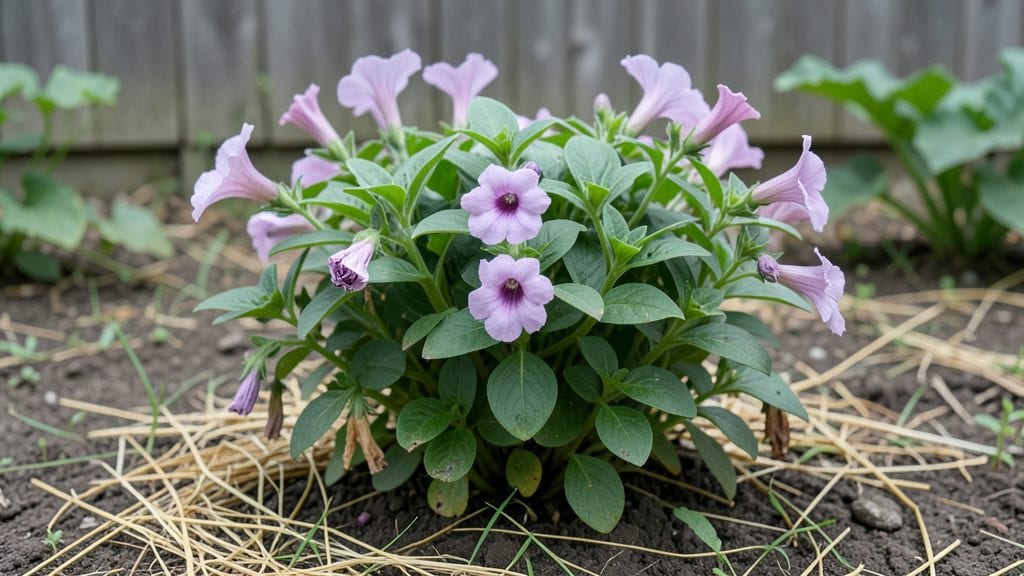
Growing American seed impatiens from seed means vibrant, nonstop blooms in just 8 weeks—though I nearly gave up after my first batch of seeds sprouted but then wilted in the heat. 🌱 The trick is timing everything right, from seed-starting to transplanting, so you avoid the common pitfalls that turn impatient gardeners into frustrated ones.
You’ll need a sunny windowsill or grow light, seed-starting mix that drains well, and patience for the first true leaves to appear. Most people overwater at this stage, which is why so many seedlings fail.
Once they’re big enough to handle, they’ll thrive in partial shade, making them perfect for shady garden spots or containers near patios.
By midsummer, you’ll have a cloud of blooms in every color imaginable, and they’ll keep flowering until frost. The key is consistent moisture without soggy soil and regular deadheading to encourage more flowers. Even my black thumb can’t kill these once they get going.
Works just as well in 5-gallon containers as in garden beds, so they’re ideal for small spaces or renters. Here’s how to get them from seed to showstopper in your garden—without the usual growing pains.
📚 In This Guide
- What you need
- Instructions
- Tips and common mistakes
- Wrapping up and next steps
What you need
- ● American Seed Impatiens Seeds – 50–100 seeds (depending on desired coverage; check seed packet for spacing guidelines).
- ● Seed-starting mix – 2–3 quarts of lightweight, sterile potting soil (avoid garden soil to prevent disease).
- ● Seed trays or small pots – 2–4 inch deep containers (biodegradable pots work great!).
- ● Grow lights or sunny windowsill – A full-spectrum LED grow light (12–16 hours/day) or a south-facing window.
- ● Spray bottle – For gentle watering (avoid over-saturating seeds).
- ● Plastic wrap or humidity dome – To retain moisture while seeds germinate.
- ● Fertilizer (balanced, water-soluble) – 5-10-5 or 10-10-10 NPK ratio (dilute to half-strength for seedlings).
- ○ Transplanting tools – Small hand trowel and garden gloves (optional but helpful).
- ● Thermometer/hygrometer – Ideal germination temp: 65–75°F (18–24°C).
- ○ Heating mat (optional) – Speeds up germination for slower starters.
- ● Peat pellets or coir pots – Eco-friendly alternative to plastic pots.
- ● Mulch (after transplanting) – Shredded bark or straw to retain soil moisture.
- ● Stakes or cages (for taller varieties) – If growing bushy or trailing types.
Instructions for growing American seed impatiens from start to stunning display
Here’s how to transform tiny seeds into a vibrant, nonstop summer show in just 8 weeks.
🌱 Step 1: Start Seeds Indoors with Perfect Warmth and Moisture
Fill your seed-starting trays with moistened seed-starting mix—never garden soil, which can harbor fungal diseases. Press the mix down gently to remove air pockets, then scatter 2-3 seeds per cell (they germinate easily, so you’ll thin later). Cover them with just ⅛ inch of mix—too deep, and they’ll struggle to break through.
Place the trays in a seedling heat mat set to 75-80°F—this is non-negotiable for impatiens, which need warmth to germinate reliably. Cover with a humidity dome or plastic wrap to lock in moisture, then set under grow lights (no natural windowsill will cut it). Germination takes 7-14 days—watch for tiny green cotyledons pushing through the soil.
💧 Step 2: Transplant Seedlings and Harden Off for Outdoor Readiness
Once seedlings have 2-3 true leaves (not the first tiny cotyledons), transplant them into 4-inch pots filled with the same seed-starting mix. Handle them gently—impatiens have delicate stems. Water lightly after transplanting, then place them under grow lights for 12-14 hours daily to prevent leggy growth. Overwatering now is the biggest mistake; let the top ½ inch of soil dry between waterings.
Start hardening off 2 weeks before your last frost. Move seedlings outdoors to a shaded, sheltered spot for 1-2 hours the first day, gradually increasing time over 7-10 days. You’ll know they’re ready when they bounce back from a full day outside without wilting—this ensures they’ll thrive once planted in the garden.
☀️ Step 3: Plant Out in Partial Shade with Consistent Moisture
Choose a partially shaded spot (morning sun, afternoon shade works best)—full sun will scorch the delicate blooms. Dig holes twice as wide as the root ball but no deeper, then place each seedling in, spacing them 8-12 inches apart. Fill with moistened potting mix, pressing gently to eliminate air pockets. Water deeply right after planting to settle the soil.
Impatiens hate dry soil—water at the base daily during the first week to establish roots, then every 2-3 days once established (check by sticking your finger 1 inch deep—if dry, water). Mulch with 2-3 inches of organic mulch to retain moisture and suppress weeds. Avoid overhead watering, which can spread fungal diseases like powdery mildew.
✂️ Step 4: Deadhead and Fertilize for Nonstop Blooms
Pinch off spent blooms weekly—this simple step encourages new flowers to form, extending your display from early summer until frost. Use clean, sharp scissors to cut just above a set of leaves, never tearing stems. I fertilize every 2 weeks with a balanced liquid fertilizer (10-10-10) diluted to half-strength—overfeeding leads to lush foliage but fewer blooms.
Watch for aphids or spider mites on the undersides of leaves (common in humid conditions). Spray with neem oil at the first sign—it’s organic, effective, and won’t harm pollinators. If leaves yellow, it’s usually overwatering or poor drainage; adjust your schedule and ensure pots have drainage holes.
🌿 Step 5: Extend the Season with Protective Measures
To keep impatiens blooming late into fall, cover with frost cloth when nighttime temperatures dip below 50°F. Remove it during the day for sunlight. If you’re in a warm climate, they’ll often rebloom the following spring—just trim back leggy stems in early spring to encourage fresh growth.
Save seeds? Not with impatiens—they’re sterile hybrids, so you’ll need to replant each year. But the trade-off is bold, vibrant blooms in colors from pink to purple to white, all summer long. With this method, you’ll have a full, lush display in just 8 weeks—and zero gaps in your garden’s color palette.
Tips & tricks for perfect American seed impatiens growth
These game-changing strategies will help you avoid common pitfalls and maximize your impatiens' vibrant potential from seed to spectacular display.
Heat Mat Precision: The 75-80°F heat mat setting in Step 1 is critical for germination—don't let it dip below 70°F or you'll risk uneven sprouting. I place my trays on a dedicated heat mat rather than using a kitchen counter warmer, which often fluctuates. For even more reliability, consider a dual-zone heat mat that maintains consistent temperatures across all trays.
Lighting Secret: The 12-14 hours of grow light in Step 2 should be LED grow lights specifically designed for seedlings—not regular household bulbs. I position mine just 2-3 inches above the seedlings to prevent leggy growth, and I rotate the trays daily for even light exposure. If you notice seedlings stretching toward the light, they need more intensity or closer placement.
Hardening Off Strategy: When you begin the 2-week hardening off process in Step 2, I recommend starting with just 30 minutes outdoors on day one rather than the full 1-2 hours. This gradual approach prevents shock to delicate seedlings. Watch for any wilting—if you see it, they're not ready for that duration yet. The goal is to build resilience over time, not rush the process.
Watering Wisdom: The daily watering requirement in Step 3 is non-negotiable during the first week, but timing matters just as much as frequency. Water in the morning so leaves have time to dry before evening, reducing fungal risk. I use a gentle spray nozzle rather than overhead watering to prevent disturbing the soil around delicate stems. For established plants, the 2-3 day schedule works best when you check soil moisture at the 1-inch depth as specified.
Pro Tips for American Seed Impatiens
- These game-changing strategies will help you avoid common pitfalls and maximize your impatiens' vibrant potential from seed to spectacular display.
- Heat Mat Precision: The 75-80°F heat mat setting in Step 1 is critical for germination—don't let it dip below 70°F or you'll risk uneven sprouting.
- Lighting Secret: The 12-14 hours of grow light in Step 2 should be LED grow lights specifically designed for seedlings—not regular household bulbs.
Frequently asked questions
Got questions about growing American Seed Impatiens?
You’re not alone! Here are some of the most common queries—plus quick answers to help you cultivate vibrant blooms with ease.
How long does it take for American Seed Impatiens to flower after planting?
With proper care, these beauties typically bloom in 6–8 weeks from seed! Start indoors 8–10 weeks before your last frost, or sow directly in warm soil (after all frost risk has passed). For faster results, opt for transplants—they’ll reward you with color in just 4–6 weeks.
Why aren’t my Impatiens growing? Troubleshooting slow or stunted plants.
Common culprits include:
- Underwatering: Keep soil consistently moist (not soggy!). Impatiens wilt fast in dry conditions.
- Overcrowding: Thin seedlings to 6–8 inches apart for airflow and root space.
- Poor light: They thrive in partial shade (4–6 hours of sun max). Too much sun = faded blooms.
- Cool temps: Below 50°F stunts growth. Use row covers if nights dip.
Can I grow American Seed Impatiens in containers? What’s the best setup?
They’re perfect for pots—just ensure:
- Containers with drainage holes (they hate soggy roots!).
- At least 6–8 inches deep for 1–2 plants per pot.
- Lightweight, well-draining potting mix (add perlite for airflow).
Are American Seed Impatiens prone to pests? How do I prevent them?
They’re generally pest-resistant, but watch for:
- Aphids: Spray with neem oil or blast off with water.
- Spider mites: Increase humidity (mist leaves) and prune affected foliage.
- Slugs/snails: Set out beer traps or use copper barriers.
What’s the best way to overwinter American Seed Impatiens?
Unfortunately, these tender annuals won’t survive frost. But you can save seeds or extend the season:
- Let a few flowers fade to collect seeds (store in a cool, dry place).
- Cut back dead plants and mulch heavily in fall to protect roots (though regrowth is unlikely).
- For year-round color, sow new seeds every 2–3 weeks in warm climates.
Wrapping up and next steps
Growing American Seed Impatiens is a rewarding journey that brings vibrant, long-lasting blooms to your garden in just 8 weeks! With the right soil, sunlight, and care, these easy-to-grow beauties will thrive and add a pop of color to shady spots.
Whether you're a beginner or a seasoned gardener, their resilience and striking flowers make them a must-have for any outdoor space.
Ready to transform your garden? Start planting your seeds today—soon, you’ll be enjoying a lush display of bold, cheerful blooms that’ll make your neighbors green with envy! 🌸🌿