Planting
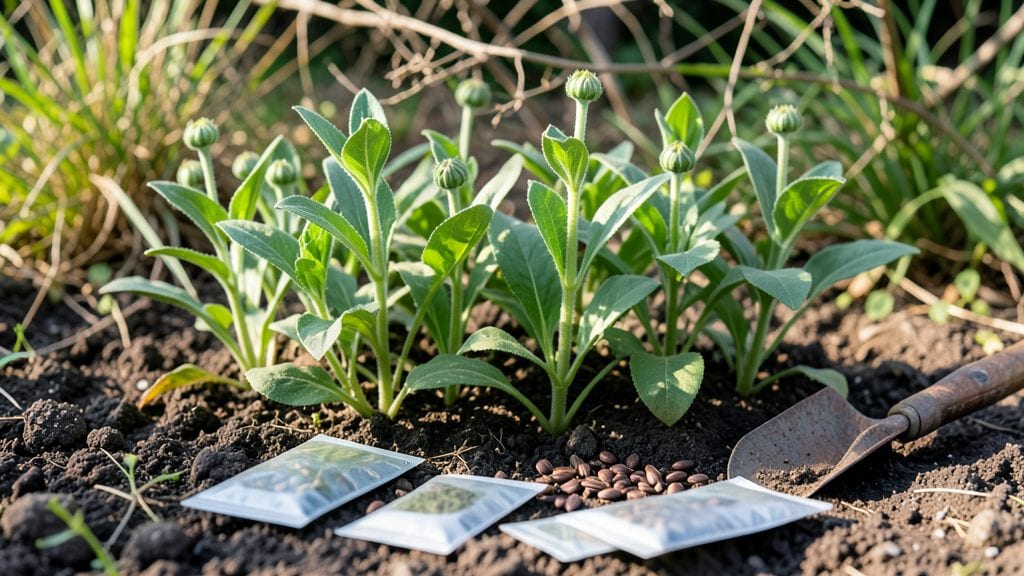
Proper zinnia seed spacing is the secret to those jaw-dropping summer blooms that make neighbors stop and stare—because crammed seeds mean weak stems and sad flowers. I learned this the hard way when my first batch flopped into a tangled mess of leggy stalks with half the blooms I expected.
The right spacing gives each plant room to drink up sunlight and breathe, which translates to taller stems and more flowers per plant.
Start with a loose, well-draining soil mix—zinnias hate soggy feet—and scatter seeds ¼ inch deep, then thin to 6–12 inches apart depending on the variety. Dwarf zinnias can huddle closer at 6 inches, while giant varieties need their own 12-inch space.
The key is matching plant size to its mature spread, so no one gets crowded out. I mark my rows with toothpicks labeled by variety to keep everything straight.
What you’ll end up with is a border so lush it looks professionally landscaped—bold blooms in every color, from deep reds to sunny yellows, all standing tall and proud. Proper spacing also cuts down on mildew and pests, since air circulates freely.
Plus, you’ll harvest weeks longer because the plants aren’t competing for resources. The payoff? A summer display that turns heads without the fuss.
Works for in-ground beds, raised planters, or even container gardens—just scale the spacing to your setup. Whether you’re lining a fence or filling a pot, these simple adjustments make all the difference. Ready to transform your summer into a nonstop bloom show?
📚 In This Guide
- What you need
- Instructions
- Tips and common mistakes
- Wrapping up and next steps
What you need
- ● Zinnia seeds: Choose high-quality, non-GMO seeds (e.g., Zinnia elegans). Aim for 100–200 seeds per 100 sq. ft. for optimal spacing.
- ● Seed-starting mix: Lightweight, sterile potting soil (e.g., Miracle-Gro Seed Starting Potting Mix). Use 1–2 gallons for direct sowing or small seed trays (2–3 inches deep) for indoor starts.
- ● Containers or garden bed: For direct sowing: Well-draining soil in a sunny spot (6+ hours of sunlight daily). Prepare a bed 6–12 inches wide and 6–12 inches deep.
- ● For indoor starts: Biodegradable seed pots or trays (e.g., Jiffy-7 Pellets) or 4–6 inch diameter pots.
- ● Watering can or spray bottle: With a fine mist nozzle for gentle hydration.
- ● Plant labels: Small stakes or tags to mark varieties (e.g., Zinnia ‘Benary’s Giant’ or Zinnia ‘Profusion’).
- ● Hand trowel or transplanting spade: For digging small holes (depth: ¼ inch for seeds).
- ● Ruler or measuring tape: To ensure precise 12–18 inch spacing between seeds (or 6–12 inches apart for dwarf varieties).
- ○ Gloves (optional): To protect hands from soil or prickly stems.
- ○ Mulch (optional): Straw or shredded leaves to retain moisture and suppress weeds.
- ● Timing: Sow seeds 2–3 weeks before your last frost date (or directly in warm soil when temps stay above 50°F).
- ● Sunlight: Confirm your planting area gets full sun (6+ hours/day).
- ● Soil prep: Loosen soil to a depth of 6 inches and amend with compost for nutrients.
Step-by-step guide to perfect Zinnia seed spacing
Here's how to plant zinnias with the exact spacing they need for strong, vibrant blooms all season.
Prepare the Planting Site
Zinnias thrive in well-draining soil with full sun exposure. Work the top 6 inches of soil with a garden fork to loosen it, breaking up any compacted areas. This ensures roots can spread easily and prevents waterlogging, which zinnias hate. If your soil feels heavy or clay-like, mix in 2 inches of organic compost to improve drainage and fertility. I like to rake the area smooth afterward—this creates a clean surface for even seed placement.
Choose a location that gets at least 6-8 hours of direct sunlight daily. Zinnias won’t bloom well in shade, so mark the spot with a stake if needed. The soil temperature should be at least 60°F before planting, as cold soil slows germination. Test it by pressing your hand into the ground—if it feels warm to the touch, it’s ready.
Plant Seeds at the Correct Depth and Spacing
Zinnia seeds are tiny but don’t need deep planting. Scatter them ¼ inch deep in rows or clusters, spacing them 12-18 inches apart for single-stemmed varieties or 6-8 inches apart for bushier types like 'Benary’s Giant.' I use a small spoon to create tiny divots for each seed, then drop one in and cover lightly with soil. Planting too deep can delay germination, while too shallow may expose seeds to drying out.
For 4 plants, space them in a square or diamond pattern to maximize air circulation and reduce disease risk. If sowing in rows, space rows 18-24 inches apart to allow easy access for weeding and maintenance. Water gently after planting to settle the soil around the seeds without disturbing their placement. You’ll see tiny sprouts in 7-14 days—watch for the first green tips breaking through the soil.
Thin Seedlings for Optimal Growth
Once seedlings reach 2-3 inches tall, it’s time to thin them to the recommended spacing. Use a small pair of scissors or your fingers to carefully remove weaker seedlings at the base, leaving only the strongest plant in each spot. This prevents overcrowding, which leads to leggy stems and fewer blooms. I like to do this on a cloudy day to reduce stress on the remaining plants.
After thinning, water deeply to help the remaining seedlings establish roots. You’ll notice the surviving plants grow sturdier and more upright within a week. If you’re growing bushier zinnias, you can pinch back the tops when they’re 4-6 inches tall to encourage branching and more flowers. This step is optional but boosts overall bloom production.
Maintain Spacing Through the Season
As zinnias grow, monitor their spacing to prevent overcrowding. If plants start touching each other, gently spread them apart or remove a few to maintain the 12-18 inch gap for single-stemmed types. This ensures good airflow, which reduces the risk of fungal diseases like powdery mildew. I also remove spent blooms regularly to encourage continuous flowering—this keeps the plant focused on producing new flowers instead of seeds.
Water at the base of the plant in the morning to keep the foliage dry, which further prevents disease. Zinnias are drought-tolerant once established, but consistent moisture during dry spells keeps them vibrant. You’ll see the difference in bloom quantity and color intensity when spacing and care are just right.
Tips & tricks for perfect Zinnia seed spacing
A few small adjustments can make all the difference in growing zinnias that burst with color and stay healthy all season long.
The Soil Temperature Secret: The 60°F soil temperature requirement isn't just about germination—it's about giving your seeds the best possible start. I've found that using a soil thermometer for a few days before planting helps me time things perfectly. If your soil feels cool to the touch in the morning, wait a day or two. Cold soil can delay germination by up to 10 days, which is why I always test it in the afternoon when it's warmest.
Planting Depth Precision: That ¼-inch depth for zinnias might seem shallow, but it's crucial. I use the tip of a pencil to make tiny holes for each seed—this ensures consistent depth without going too deep. If you're planting in containers, use a toothpick instead. Remember, planting too deep can cause seeds to rot, while too shallow may expose them to drying out before they sprout.
Spacing Strategy for Maximum Blooms: The 12-18 inch spacing for single-stemmed zinnias might seem generous, but it pays off in bigger, healthier plants. I like to visualize a basketball hoop's distance—about arm's length away—that helps me maintain consistent spacing. For bushier varieties, I use a smaller spacing of 6-8 inches, but I still mark the spots with small stakes to keep track. This spacing prevents overcrowding, which is the number one reason zinnias produce fewer blooms.
Thinning Timing Tip: When thinning those 2-3 inch seedlings, I've learned to wait until they're slightly taller than the recommended height. This gives the roots more time to establish before we remove competition. I also do this thinning on a cloudy day—it reduces stress on the remaining plants and gives them a chance to recover quickly. After thinning, I always water deeply to help the remaining plants establish stronger roots.
Pro Tips for Zinnia Seed Spacing
- A few small adjustments can make all the difference in growing zinnias that burst with color and stay healthy all season long.
- The Soil Temperature Secret: The 60°F soil temperature requirement isn't just about germination—it's about giving your seeds the best possible start.
- Planting Depth Precision: That ¼-inch depth for zinnias might seem shallow, but it's crucial.
Frequently asked questions
Got questions about getting your zinnias spaced just right? You’re not alone—proper spacing can make or break those showstopping blooms! Here are answers to the most common queries to help you plant with confidence.
How close can I plant zinnia seeds?
For compact varieties, space seeds 6–8 inches apart in rows 12–18 inches apart. Tall zinnias (like ‘Benary’s Giant’) need 12–18 inches between plants and 24 inches between rows to avoid crowding and disease. Thin seedlings to these spacings once they’re 2–3 inches tall!
When is the best time to thin zinnias?
Thin seedlings 3–4 weeks after germination (or when they’re 2–3 inches tall and have 2–3 true leaves). Use sharp scissors or your fingers to snip at soil level—never pull to avoid disturbing roots. Early thinning reduces competition for sunlight and nutrients, leading to bigger, healthier blooms!
What if I don’t thin my zinnias?
Skipping thinning can lead to stunted growth, leggy stems, and fewer flowers as plants fight for space. Overcrowded zinnias are also more prone to powdery mildew and pests. If you’re short on time, try interplanting with fast-growing greens (like lettuce) that you’ll harvest before zinnias mature.
Can I plant zinnias too close if I’m growing them in containers?
Yes! In containers or hanging baskets, reduce spacing to 4–6 inches apart for dwarf varieties (like ‘Crystal’ or ‘Profusion’). Use a well-draining potting mix and fertile container (at least 12 inches deep) to support smaller root systems. Just monitor for overcrowding—if leaves touch, it’s time to thin!
What’s the best way to replant thinned zinnias?
If you’ve thinned seedlings and want to replant the extras, transplant carefully! Dig a small hole, gently loosen the root ball, and place the seedling at the same depth it grew. Water thoroughly and avoid direct sun for 2–3 days to reduce transplant shock. Pro tip: Add a balanced fertilizer (like 10-10-10) to the soil to help them recover faster!
Wrapping up and next steps
Mastering zinnia seed spacing is your ticket to a vibrant, thriving garden bursting with color! 🌸 By following the right spacing guidelines—whether you're planting in rows, clusters, or containers—you’ll ensure strong stems, abundant blooms, and healthier plants.
With a little patience and precision, your zinnias will reward you with weeks of cheerful summer beauty.
Ready to take the next step? Grab your seeds, mark your calendar, and start planting! Happy gardening—your future floral masterpiece awaits! 🌱✨