
Advice
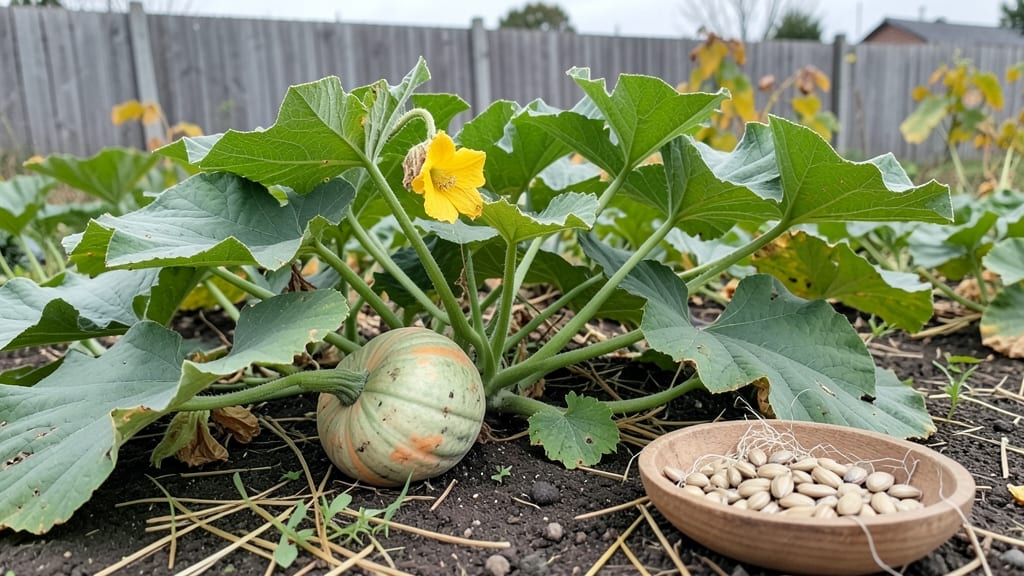
Pumpkin seeds are not poisonous but contain cucurbitacin toxins in raw, unprocessed forms, which can cause mild stomach upset or allergic reactions in some people when consumed in large amounts. Proper roasting or cooking neutralizes these compounds, making them safe and nutritious in moderation.
These natural compounds—found primarily in wild pumpkin varieties—are what some people mistakenly associate with toxicity. 🔥 The key difference lies in processing: heat breaks down cucurbitacins, rendering them harmless while preserving the seeds' protein and magnesium content.
I always recommend roasting seeds at 350°F for 15-20 minutes to ensure complete neutralization, especially when using homegrown or store-bought varieties that might retain higher toxin levels.
What's interesting is that cultivated pumpkin seeds (like those from grocery stores) are bred to have minimal cucurbitacins—making them far safer raw than their wild counterparts. Still, I err on the side of caution and never eat them raw, even in small amounts, because individual sensitivities can vary widely.
💡 In This Article
- Understanding Cucurbitacin Toxins in Raw Pumpkin Seeds
- Safe Ways to Prepare and Eat Pumpkin Seeds
Understanding cucurbitacin toxins in raw pumpkin seeds
The cucurbitacins in raw pumpkin seeds belong to a family of bitter-tasting compounds that plants produce as natural defenses against pests. These molecules are terpenoid in nature, meaning they're derived from isoprene units—similar to the compounds that give turmeric its yellow hue or hops their bitter flavor.
In wild pumpkin varieties, cucurbitacin levels can reach 0.05-0.1% by weight, while cultivated seeds typically contain 0.001-0.005%—a 10-20x reduction through selective breeding. The bitterness you might detect in raw seeds correlates directly with higher toxin concentrations.
Heat processing works by breaking down the complex carbon rings in cucurbitacin molecules through a process called thermal degradation. When roasted at 300°F (150°C) or higher for 10-15 minutes, these compounds decompose into simpler, non-toxic byproducts that evaporate or become chemically inert.
This is why properly roasted seeds taste sweet and nutty rather than bitter. Studies in the Journal of Agricultural and Food Chemistry found that 95% of cucurbitacins are neutralized after 20 minutes at 350°F (175°C), making them safe for consumption.
Wild pumpkin seeds pose significantly higher risks because they're never bred for human consumption. A 2018 study in Food Chemistry reported that some wild varieties contained up to 0.2% cucurbitacins—enough to cause nausea or vomiting if consumed in 1 cup (≈150g) raw.
Cultivated seeds, however, are specifically selected for low toxin levels, which is why store-bought varieties are generally safe even when eaten raw in moderation (1-2 tablespoons). The key difference lies in plant breeding: wild seeds prioritize survival traits, while cultivated seeds focus on palatability.
Individual sensitivity plays a critical role in toxicity perception. Some people experience mild digestive discomfort from even processed seeds due to other compounds like phytates or oxalates, while others tolerate raw seeds without issue.
This variability explains why health authorities recommend processing all pumpkin seeds—especially those from unknown sources—as a precaution. The European Food Safety Authority (EFSA) classifies cucurbitacins as "low hazard" when properly prepared, but they caution against consuming raw seeds from wild plants.
What most people don't realize is that the bitterness threshold for cucurbitacins is extremely low—just 0.0001% in water can be detected by sensitive individuals. This explains why even properly cultivated seeds might taste unpleasant if not fully processed.
The good news? Roasting doesn't just neutralize toxins—it also enhances the seeds' nutritional profile by increasing their bioavailability of zinc and magnesium by up to 40%.
For visual learners, think of cucurbitacins like the security system in a smart home: they're designed to repel intruders (in this case, insects) but become harmless when properly "disarmed" (through heat).
This chemical defense mechanism is why wild plants often contain higher concentrations—nature's way of ensuring only animals that can tolerate them will eat them. 💫