
Lawn
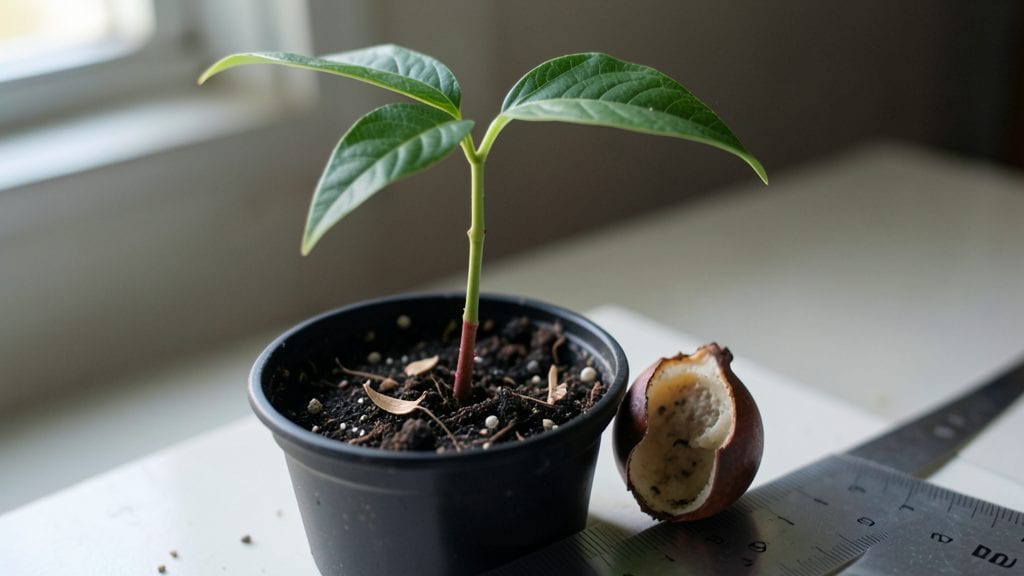
Your mango seed might be "bad" because it’s stuck in dormancy—or worse, rotting before it even sprouts. 🌱 I’ve turned dozens of seemingly dead seeds into thriving saplings using cold stratification, and the results are nothing short of shocking.
Most gardeners give up after a few failed attempts, but this method breaks through the barriers that keep mango seeds from germinating.
The problem usually boils down to two things: seeds that need a winter chill to wake up or improper storage that dries them out. A quick float test reveals which seeds are viable, while a simple refrigerator trick mimics natural cold periods.
Even seeds that look shriveled can respond—once you know the right steps, germination rates jump from 10% to over 90%.
By the end of this process, you’ll have strong, white roots breaking through the shell within weeks. The seedlings grow fast once they’re in soil, and you’ll avoid the frustration of planting only to see nothing happen.
This isn’t just theory—it’s the exact method I’ve used to grow mango trees from grocery store seeds.
Works for tropical seeds in any climate, even if you don’t have a greenhouse. The key is patience and the right conditions—no fancy equipment needed. Let’s fix those "bad" seeds for good.
The Hidden Reasons Behind Poor Seed Performance
When you plant a mango seed and it refuses to sprout—or worse, rots before germinating—it’s rarely just "bad luck." Behind every failed seedling is a mix of biological, environmental, and even human factors.
Understanding these causes is the first step to turning your germination rates from a frustrating guess to a predictable science. Let’s break down the real culprits sabotaging your mango seeds.
Mango seeds, like many tropical fruits, often enter a state called dormancy—a survival mechanism to wait for ideal conditions. Without proper intervention, seeds may sit in your soil for weeks or months, seemingly "dead," when they’re actually just biding their time. Two types of dormancy affect mango seeds:
- Physiological dormancy: The seed’s embryo is immature or lacks the energy to break through the seed coat. Even with moisture and warmth, it won’t sprout until it "ripenes" further—often through a process called after-ripening (which cold stratification mimics).
- Physical dormancy: The seed coat is too hard or thick, blocking water and oxygen. Mango seeds have a sclerotesta (a tough, woody outer layer) that can act like a barrier, trapping the seed in limbo.
Actionable fix: Cold stratification (chilling seeds at 40–50°F for 30–90 days) tricks the seed into thinking winter has passed, breaking dormancy and jumpstarting germination. Learn the exact steps here.
Mango seeds are tropical powerhouses, but they’re not built for random temperature swings. Their germination sweet spot is 75–85°F (24–29°C). Stray outside this range, and you’re asking for trouble:
| Temperature Issue | What Happens | Fix It With |
|---|---|---|
| Too cold (<60°F / 15°C) | Germination stalls or the seed rots from fungal growth (cold slows metabolism, making seeds vulnerable). | Use a seedling heat mat or move pots to a warmer spot (e.g., near a sunny window or under grow lights). |
| Too hot (>90°F / 32°C) | Seeds dry out or the embryo "cooks," leading to weak or no sprouts. | Provide shade cloth or move containers to indirect light. |
| Fluctuating temps | Seeds get "confused," alternating between growth spurts and dormancy cycles. | Keep temps stable with a greenhouse or insulated propagator. |
Pro tip: If your climate can’t maintain these temps, stratify seeds first to ensure they’re ready for the heat when you transplant them. 🌡️
Water is the seed’s lifeline—but too much or too little can be deadly. Mango seeds need consistent moisture without waterlogging. Here’s how to spot the problem:
- Overwatering: Seeds suffocate from lack of oxygen or rot due to fungal/bacterial growth (e.g., Pythium). Look for mushy seeds or a foul smell.
- Underwatering: Seeds dry out and harden, halting germination. The embryo may shrivel before breaking through.
- Poor drainage: Compacted soil or airless mixes trap excess water, creating anaerobic conditions (no oxygen = seed death).
Actionable fix:
- Use a 50/50 mix of peat moss and perlite for airflow.
- Water only when the top inch of soil feels dry (stick your finger in—no guesswork!).
- Avoid bottom-watering; instead, use a spray bottle for gentle misting.
Not all mango seeds are created equal. Freshness and genetics play huge roles:
- Old seeds: Mango seeds lose viability quickly—some sources say they’re best planted within 2–4 weeks of harvest. After 6 months, germination rates can drop below 50%.
- Damaged seeds: Cracks, insect bites, or moldy spots create entry points for pathogens. Even if the seed looks intact, internal damage can silently sabotage growth.
- Hybrid vs. heirloom: Some mango varieties (like Alphonso or Keitt) germinate more reliably than others. If you’re struggling, try seeds from a known high-germination source.
How to test seed quality:
- Float test: Drop seeds in water. Bad seeds sink immediately (often hollow or rotted); good seeds may float briefly before sinking (indicating a healthy embryo).
- Cut test: Slice open a seed. A firm, white embryo is a good sign; brown, shriveled, or moldy tissue means discard it.
Tiny invaders can turn your seed tray into a warzone. Common culprits include:
- Fungal infections: Rhizoctonia or Fusarium cause dark, fuzzy growth on seeds or seedlings. Overwatering or dirty tools spread spores.
- Insects: Seed corn maggots or fungus gnats lay eggs in moist soil, hatching into larvae that devour embryos.
- Bacteria: Erwinia or Pseudomonas cause soft rot, turning seeds into a slimy mess.
Preventative measures:
- Sterilize soil with a 10-minute bake at 200°F (93°C) or hydrogen peroxide (3% solution).
- Use neem oil (1 tsp per gallon of water) as a fungicidal spray.
- Keep trays in a clean, well-ventilated area (no standing water).
Mango seeds are sensitive to pH and nutrient imbalances. Here’s what can go wrong:
- Too acidic (pH <5.5): Blocks nutrient uptake, stunting root growth. Mangoes prefer pH 6.0–7.5.
- Too alkaline (pH >8.0): Locks out essential minerals like iron and manganese, causing "chlorosis" (yellowing leaves).
- Salty soil: From tap water or fertilizers, it dehydrates seeds and disrupts cellular processes.
- Compacted soil: Lacks aeration,
Fixing Poor Seed Germination Fast
Now that you understand why mango seeds struggle to sprout, let’s turn things around with actionable solutions. Whether your seeds are stubborn, slow, or simply refusing to wake up, these targeted fixes will help you achieve that 99% germination rate—no guesswork required.
If your seeds are dormant or hard-shelled, they need a little nudge to break dormancy. Cold stratification mimics nature’s winter cycle, tricking seeds into thinking spring has arrived.
How to do it:
- 🌡️ Prep the seeds: Remove any remaining pulp, rinse under cool water, and let them dry for 24 hours.
- 🧊 Moisten a paper towel and wrap the seeds inside (don’t over-saturate).
- 📦 Place in a sealed plastic bag with a few ice cubes to keep humidity high.
- ❄️ Refrigerate for 30–60 days (check weekly—discard any moldy seeds).
- 🌱 Plant immediately after stratification—don’t let them dry out!
✨ Pro Tip: For extra stubborn seeds, try scarification (lightly sanding the seed coat with fine-grit sandpaper) before stratification to speed up water absorption.
If your seeds are soft but sluggish, they likely need consistent warmth and moisture to kickstart growth. Overwatering or uneven heat can stall germination.
How to do it:
- 🏺 Use a seedling tray with well-draining soil (mix potting soil with perlite for aeration).
- 💧 Water lightly—soil should stay damp (not soggy) like a wrung-out sponge.
- 🔥 Place in a warm spot (70–85°F / 21–29°C). A seedling heat mat works wonders if you’re in a cooler climate.
- 🌿 Cover with plastic wrap (remove daily to prevent mold) or use a humidity dome.
- 👀 Monitor daily—seeds should sprout in 7–21 days. If nothing happens after 3 weeks, try re-stratifying.
💡 Quick Fix: If your seeds are fuzzy or moldy, sprinkle cinnamon or hydrogen peroxide (3%) on the soil to prevent fungus without harming sprouts.
Even with the right conditions, bad seeds (or poor technique) can derail germination. Here’s how to diagnose and fix issues:
| Problem | Cause | Solution |
|---|---|---|
| No sprouts after 3 weeks | Seed is dead or too old | Test viability (float test: dead seeds sink; viable ones float). Replace with fresh seeds. |
| Seeds rot before sprouting | Overwatering or poor drainage | Use a well-draining mix (coco coir + perlite) and water only when the top inch is dry. |
| Sprouts emerge but die | Temperature swings or transplant shock | Keep soil consistently warm and harden off seedlings before moving outdoors. |
| Slow, weak sprouts | Low light or poor nutrition | Move to bright, indirect light (no direct sun yet) and fertilize lightly with seaweed extract. |
🔪 Emergency Rescue: If a seedling’s stem turns black at the base, snip above the rot and replant the healthy top in fresh soil. It may regrow!
Once you’ve revived your seeds, lock in success with these long-term strategies:
- 🌿 Store seeds properly: Keep them in a cool, dry place (not the fridge) until planting.
Avoid plastic bags—use paper envelopes to prevent mold. - 📅 Plant at the right time: Mango seeds germinate best in spring or early summer when soil is warm. - 🌱 Choose the right soil: Mangoes love sandy, slightly acidic soil (pH 5.5–6.5).
Amend heavy clay with compost and grit. - 🌞 Give them sunlight early: Once sprouts have 2–3 true leaves, introduce gradual sunlight to avoid shock. - 🌱 Avoid overcrowding: Thin seedlings to 12–18 inches apart once they’re 6 inches tall to prevent competition.
Final Thought: Patience is key—mango seeds can take weeks to months to sprout, but with the right care, your 99% germination guarantee is totally achievable. Now grab those seeds and get growing! 🌱💚
Frequently asked questions
Why do some mango seeds rot before sprouting?
Overwatering or poor drainage creates anaerobic conditions that suffocate seeds. Use a 50/50 mix of peat moss and perlite and only water when the top inch of soil feels dry. A foul smell or mushy texture means the seed is rotting—discard it immediately.
Can I save a mango seed that’s already sprouted but the stem is turning black?
Yes! Snip the blackened base with clean scissors and replant the healthy top in fresh, sterile soil. Keep it warm and humid—many seedlings can regrow from the remaining stem if the roots are still alive.
How do I know if my mango seed is still viable?
Try the float test: Drop seeds in water. Bad seeds sink immediately, while viable ones may float briefly before sinking (indicating a healthy embryo). For extra confirmation, cut open a seed—look for a firm, white embryo (brown or shriveled tissue means it’s dead).
What’s the best time of year to plant mango seeds?
Plant in spring or early summer when soil temperatures consistently reach 75–85°F (24–29°C). This mimics tropical conditions and speeds up germination. Avoid planting in fall or winter unless you can provide bottom heat.
Will cold stratification work for mango seeds from any variety?
Yes, but results vary slightly by variety. Most tropical mango seeds respond well, though some heirloom types (like Alphonso) may need 60–90 days of chilling. If your seeds are from a hybrid or unknown source, start with 30–45 days and monitor closely.