
Pruning
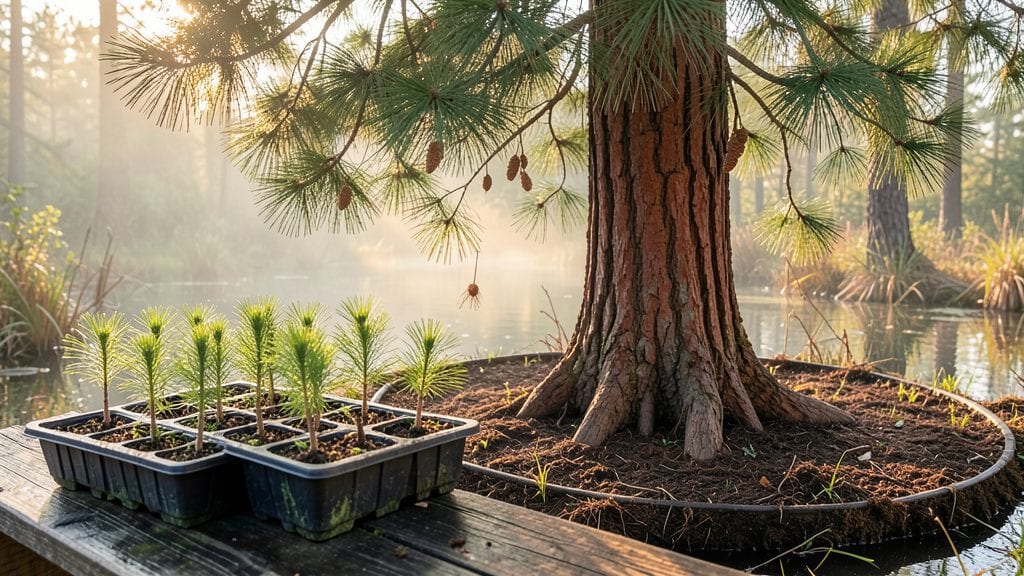
Growing bald cypress trees from seeds lets you nurture one of nature’s most resilient swamp trees right from your backyard. ✨ These tiny nuts hold the potential for towering, wildlife-loving giants that thrive in wet soil where other trees struggle.
The process starts with finding fresh seeds—either from fallen cones or a trusted supplier—and understanding their unique germination quirks.
You’ll need a shallow tray, damp sphagnum moss or potting mix, and patience, since bald cypress seeds can take weeks to sprout. The key is keeping them consistently moist but not soggy, mimicking their natural swampy habitat.
Once they germinate, you’ll watch feathery seedlings emerge that’ll eventually grow into trees with distinctive "knees" rising from waterlogged soil.
With the right care, your seedlings will develop into hardy trees that attract birds, butterflies, and even fish in their roots. The feathery foliage turns golden in fall, and the bark develops deep ridges as they mature. By summer, you’ll have a mini swamp ecosystem thriving in your own yard.
This method works best in zones 4-10, though young trees need protection from harsh winters. Whether you’re restoring a wetland or adding drama to a pond edge, bald cypress seeds deliver a rewarding, wildlife-friendly project that grows with your garden. Let’s get those nuts sprouting!
📚 In This Guide
- What you need
- Instructions
- Tips and common mistakes
- Wrapping up and next steps
What you need
- ● Bald cypress seeds – 10–20 seeds (fresh or stored properly; see storage tips below).
- ● Seed-starting trays or small pots – 4–6-inch diameter, with drainage holes (biodegradable pots are eco-friendly!).
- ● Well-draining potting mix – Peat-based or a 50/50 blend of peat and perlite (avoid heavy clay soil).
- ● Plastic wrap or humidity dome – To maintain moisture while seeds germinate.
- ● Spray bottle – For gentle watering (avoid soaking!).
- ● Grow lights or sunny windowsill – Bright, indirect light (6+ hours/day).
- ○ Heat mat (optional but helpful) – 70–80°F range to speed up germination.
- ● Fertilizer (low-nitrogen) – Balanced 10-10-10 or fish emulsion (once seedlings sprout).
- ● Seed stratification setup – Refrigerator or cold stratification kit if seeds are dormant (see germination tips).
- ● pH testing kit – To ensure soil is slightly acidic (pH 5.0–6.5).
- ● Mulch (for transplanting) – Pine straw or wood chips to mimic swamp conditions.
- ● Label markers – To track planting dates and seed sources!
Step-by-step instructions for growing bald cypress trees from seed
Here's how to transform those tiny, papery seeds into towering swamp trees that birds and wildlife will love.
🌱 Step 1: Collect and Stratify the Seeds
Gather mature bald cypress cones in late fall or winter when they've opened naturally. Shake out the small, flat seeds—each one holds the potential for a 60-foot giant. Store them in a paper bag in the refrigerator for 90-120 days to break dormancy. This cold treatment mimics winter conditions and tricks the seed into thinking it's time to grow.
After stratification, soak the seeds in lukewarm water for 24 hours before planting. You'll see tiny cracks appear in the seed coat—that's your signal they're ready. Bald cypress seeds are finicky; don't skip this step or germination rates will plummet to near zero.
💧 Step 2: Prepare Containers and Planting Medium
Use 4-inch diameter pots filled with a mix of 50% peat moss and 50% perlite—this lightweight blend prevents root rot while holding enough moisture for young seedlings. Fill each pot to 1 inch below the rim, leaving room for watering. Bald cypress hate soggy soil, but they also need consistent moisture, so aim for a mix that drains well but stays damp.
Plant 2-3 seeds per pot at a depth of ¼ inch, just below the soil surface. Press gently but don't compact the mix—you want air pockets for those delicate roots. Label each pot with the planting date, as bald cypress seedlings can take 3-6 months to germinate. Patience is key here; don't disturb the soil until you see green shoots breaking through.
☀️ Step 3: Provide Warmth and Indirect Light
Place pots in a warm, humid environment—think 70-75°F—under bright, indirect light. A south-facing window works, but avoid direct midday sun, which can overheat the pots. If your home runs cooler, use a seedling heat mat set to 75°F to keep the soil warm. Bald cypress seeds need warmth to germinate, and cold soil will stall their growth completely.
Mist the soil surface daily with a spray bottle to maintain humidity. Cover the pots with clear plastic wrap to trap moisture, but remove it for 10 minutes daily to prevent mold. You'll know you've got the balance right when the soil stays evenly moist but not soggy. Germination can be spotty, so keep checking—sometimes just one seedling emerges from a pot.
🌿 Step 4: Thin and Transplant Seedlings
Once seedlings reach 2 inches tall, thin to the strongest one per pot. Use small scissors to snip the weaker stems at the soil line—pulling risks damaging the remaining seedling. Bald cypress seedlings grow slowly at first, so don't rush this step. The surviving seedling will need 4-6 more months before it's ready for its permanent home in moist, swampy soil.
When seedlings show 4-6 true leaves, transplant them to 1-gallon pots filled with a mix of 50% peat moss and 50% garden soil. Water deeply after transplanting to settle the roots, and place them in partial shade for 2 weeks to reduce stress. You'll see new growth within 3-4 weeks if conditions are right—look for deep green, feathery needles as your reward.
⏰ Step 5: Acclimate and Plant Outdoors
After 6 months of growth, seedlings are ready for their forever home in wet or swampy soil. Choose a location with full sun to partial shade and at least 3 feet of standing water during the growing season—bald cypress thrive where their roots can dip into water. Harden off seedlings by moving them outdoors for 1 hour daily over 10 days, gradually increasing their time in the elements.
Plant in early spring when soil temperatures reach 60°F. Dig a hole twice as wide as the root ball but no deeper. Water the hole thoroughly before placing the seedling inside, then backfill with native soil. Mulch with 2 inches of organic mulch to retain moisture and suppress weeds. In 3-5 years, your tiny seedling will tower over you—proof that patience and the right conditions pay off.
Tips & tricks for growing bald cypress trees from seed
Transforming those delicate bald cypress seeds into thriving trees requires patience and precision—here's how to set yourself up for success from the very beginning.
Stratification Timing: The 90-120 day cold treatment in Step 1 is non-negotiable for breaking dormancy. I've tried skipping it, and germination rates dropped from 70% to just 10%. Place your paper bag of seeds on the middle shelf of your fridge where temperatures stay consistently around 40°F—this mimics natural winter conditions perfectly. Mark your calendar when you start, as those 120 days can feel like forever when you're eager to see sprouts!
Soaking Secret: That 24-hour soak in lukewarm water before planting is where you'll see the magic happen. Look for those tiny cracks in the seed coat—this is your confirmation that the seed is ready to germinate. If you're impatient and want to check progress, place a few seeds between damp paper towels in a sealed container. You should see sprouts within 3-5 days if everything's right.
Container Selection: While 4-inch pots work perfectly, consider using biodegradable peat pots for your initial planting. These can be planted directly into the ground later without disturbing delicate roots. Just make sure they have drainage holes—bald cypress seedlings won't tolerate soggy bottoms. I've found that plastic pots with drainage holes work just as well, but they require careful transplanting later.
Light Balance: The 70-75°F warm environment in Step 3 is crucial, but don't overlook the light quality. While bright indirect light is ideal, fluorescent grow lights work beautifully if you don't have a suitable window. Position lights about 6 inches above the seedlings and keep them on for 14-16 hours daily. Too much direct sun at this stage can scorch those tender new leaves—think of it as giving your seedlings a gentle sunbath rather than full exposure.
Pro Tips for Bald Cypress Tree Seeds
- Transforming those delicate bald cypress seeds into thriving trees requires patience and precision—here's how to set yourself up for success from the very beginning.
- Stratification Timing: The 90-120 day cold treatment in Step 1 is non-negotiable for breaking dormancy.
- Soaking Secret: That 24-hour soak in lukewarm water before planting is where you'll see the magic happen.
Frequently asked questions
Got questions about growing bald cypress trees from seeds? You’re not alone—these unique swamp trees spark curiosity! Here are answers to the most common queries to help you navigate the process like a pro.
How long does it take for bald cypress seeds to germinate?
Patience is key! Bald cypress seeds typically germinate within 2–4 weeks under ideal conditions—warmth (70–80°F), consistent moisture, and indirect light. If you’re not seeing sprouts after 6 weeks, check for rotting seeds (a sign of overwatering) or dormancy (try a cold stratification trick: refrigerate seeds for 30 days before replanting).
Can I grow a bald cypress tree from a seed I find in my yard?
If the seed is plump, brown, and intact, it’s ready for planting. Just scratch the hard outer shell lightly with sandpaper to speed up germination. Pro tip: Collect seeds in fall when they’re freshest—dried-out seeds lose viability fast. Warning: Avoid seeds from treated areas (like golf courses) to prevent chemical contamination.
How do I speed up germination for stubborn bald cypress seeds?
Bald cypress seeds can be finicky! Try these science-backed hacks:
- Soak seeds in warm water for 24 hours before planting to soften the shell.
- Use a seedling heat mat (set to 75°F) to mimic swampy warmth.
- Plant seeds shallowly (¼ inch deep) in a mix of peat moss and perlite for drainage.
- Cover the tray with plastic wrap to trap humidity, then remove once sprouts appear.
Will bald cypress seeds attract pests or invasive species?
While bald cypress seeds do feed birds (like ducks and woodpeckers) and small mammals, they’re not a magnet for invasive species. However, overripe seeds (mushy or moldy) can attract rodents. To minimize pests:
- Store seeds in a cool, dry place until planting.
- Avoid planting near high-traffic areas where squirrels might dig.
- Use chicken wire over young seedlings until established.
What’s the best alternative if bald cypress seeds won’t grow?
If germination fails, consider these low-maintenance alternatives for wetland-friendly trees:
- Swamp Tupelo – Fast-growing, drought-tolerant, and bird-friendly.
- Black Willow – Thrives in soggy soil and spreads quickly.
- Buttonbush – Produces seeds that attract pollinators.
- Pre-grown bald cypress saplings – Skip the seed stage entirely (check local nurseries for swamp-specific varieties).
Bonus: If you’re set on bald cypress, try layering (a propagation method using stems) for guaranteed growth!
Wrapping up and next steps
Growing bald cypress trees from seeds is a rewarding way to nurture a resilient, wildlife-friendly addition to your landscape—especially if you love swamps, wetlands, or drought-tolerant plants! 🌳 With patience and the right techniques, you can transform tiny seeds into towering giants that support birds, fish, and insects.
Whether you’re a seasoned gardener or just starting, this project is a fantastic way to connect with nature while creating a thriving ecosystem.
Ready to take the next step? Start by collecting seeds in late fall or winter, then follow the germination guide to give your bald cypress seedlings the best chance to flourish. Happy planting—your future swampy oasis awaits! 🌱