
Vegetables
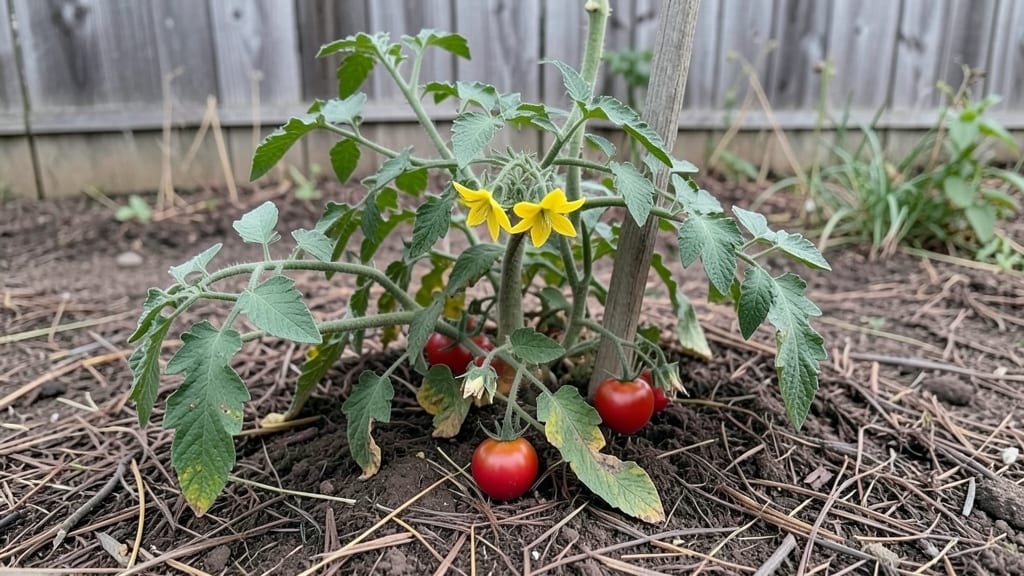
Starting Big Boy tomato seeds indoors in February gives you a head start on beefsteak tomatoes that weigh a pound each—something store-bought plants can’t match. 🌱 I’ve grown these giants for years, and the key isn’t just the seeds; it’s the timing, the light, and the stubborn refusal to let them get root-bound before transplanting.
Most people rush this step, but patience here means bigger fruit later.
The secret to their size lies in strong roots and consistent care. You’ll need a sunny window or grow light, seed-starting mix that drains well, and the discipline to harden off seedlings for two weeks before they hit the garden.
My first batch flopped because I skipped this step—now I treat it like a non-negotiable ritual. Once planted, these tomatoes thrive in full sun and warm soil, rewarding you with fruit that actually makes your neighbors ask, “How’d you grow those?”
By midsummer, you’ll be harvesting tomatoes so large they’ll make your cutting board look tiny. The flavor? Rich, meaty, and sweet—nothing like the watery store-bought varieties. Just watch for blossom end rot (calcium deficiency) and keep the soil moist but not soggy.
With the right care, one plant can feed a family for weeks, and the pride of slicing into a tomato that big? Priceless.
This method works in most climates, though cooler regions may need to extend the season with row covers. The payoff is worth the effort—imagine fresh, homegrown tomatoes from your own seeds, not a nursery. Let’s get those seedlings started right.
📚 In This Guide
- What you need
- Instructions
- Tips and common mistakes
- Wrapping up and next steps
What you need
- ● Big Boy tomato seeds – 5–10 seeds (or 1–2 seed packets for multiple plants). Pro tip: Save seed packets in a cool, dry place for next year!
- ● Seed-starting mix – 1–2 gallons of sterile, well-draining potting soil (avoid garden soil—it’s too dense!).
- ○ Containers – 4–6 small pots (3–4 inches deep) or a seed tray with individual cells. Optional: Biodegradable pots for transplanting!
- ● Grow lights or sunny windowsill – A 6–8 hour daily light source (south-facing window or LED grow lights work best).
- ● Watering can or spray bottle – With a fine mist setting to avoid disturbing seeds.
- ● Plant labels – To track varieties (especially if growing multiple types!).
- ○ Fertilizer (optional but helpful) – A balanced, water-soluble fertilizer (5-5-5 or 10-10-10 ratio) for seedlings.
- ● Trowel or small shovel – For transplanting seedlings later.
- ● Pruning shears – To snip suckers (side shoots) as plants grow.
- ● Stakes or cages – 5–6 foot tall tomato cages or wooden stakes (for support as vines grow).
- ○ Mulch (optional) – Straw or shredded leaves to retain moisture and suppress weeds.
- ● Weather awareness – Big Boys thrive in warmth (70–85°F) and need at least 6–8 hours of sunlight daily.
- ● Patience! 😉 – From seed to harvest takes 70–85 days (depending on climate).
- ● 🌡️ Temperature control: Keep soil 70–85°F for germination (use a heat mat if needed in cool climates).
- ● ✨ Seedling care: Thin seedlings to the strongest 1–2 per pot to avoid overcrowding.
- ● 🎯 Transplant timing: Wait until night temps stay above 50°F before moving outdoors.
Step-by-Step instructions for growing Big Boy tomatoes from seed
Here's my foolproof method to turn those tiny seeds into bushels of beefsteak tomatoes.
🌱 Step 1: Prepare Containers and Seed Starting Mix
Fill 4 biodegradable seedling pots (3 inches deep) with the 2 gallons of seed-starting mix. I press the mix down gently to remove air pockets—this ensures even moisture distribution. The goal is firm but not compacted soil that lets roots spread easily.
Moisten the mix until it holds together when squeezed but doesn't drip. Too much water creates anaerobic pockets that stunt root growth. Place the pots in a shallow tray to catch any excess drainage during watering. Label each pot with the planting date—Big Boy seeds germinate in 7-10 days at 75-85°F.
🌱 Step 2: Sow Seeds at Proper Depth and Cover
Plant 2 seeds per pot at a depth of ¼ inch—about the width of your pinky nail. Sowing deeper delays germination because the seedling must push through more soil. I use a toothpick to make small holes and drop seeds one by one to avoid clumping.
Cover lightly with additional mix, then mist the surface with a spray bottle until evenly damp. A heavy watering will dislodge seeds or bury them too deep. Place the tray under a grow light immediately—Big Boy seedlings need 14-16 hours of light daily from day one to prevent leggy growth.
💧 Step 3: Maintain Warmth and Moisture for Germination
Keep the soil consistently moist but never soggy—top inch should feel damp to touch. I place a humidity dome over the tray to retain warmth and moisture. Big Boy seeds germinate fastest at 75-85°F, so a seedling heat mat helps if your home runs cooler.
Check daily for sprouts but avoid disturbing the soil. Once 50% of seeds sprout, remove the dome immediately—trapped humidity invites damping-off disease that collapses stems overnight. Thin to the strongest seedling per pot after 2 weeks when true leaves appear.
☀️ Step 4: Harden Off and Transplant for Maximum Growth
Two weeks before your last frost date, start hardening off seedlings. Place them outside in a sheltered spot for 1-2 hours the first day, gradually increasing time over 10-14 days. Big Boy tomatoes need full sun (6-8 hours daily) and strong stems to support their weight.
Transplant outdoors after all frost risk passes, spacing plants 24-36 inches apart in well-draining soil. Bury the stem deeper than the pot—this encourages stronger root growth. Water deeply at the base to settle soil around roots and reduce transplant shock.
✂️ Step 5: Prune and Support for Year-Round Harvests
Once plants reach 18 inches tall, prune suckers (side shoots in leaf axils) to focus energy on fruit production. Big Boy tomatoes benefit from a stake or cage to support their heavy vines. I tie stems loosely every 2 weeks to prevent stem damage.
Harvest when tomatoes reach 3-4 inches and feel firm to touch. Regular picking encourages more fruit production. In cooler climates, use row covers to extend the season—Big Boy tomatoes thrive in 60-90°F temperatures and produce until frost.
Tips & tricks for perfect Big Boy tomato seedlings
Growing Big Boy tomatoes from seed is a game-changer for gardeners—here's how to avoid the common pitfalls that turn promising starts into disappointing plants.
Germination Temperature: Those 75-85°F temperatures in Step 1 aren't just ideal—they're critical. If your home runs cooler, place the seed tray on a seedling heat mat or move it to a sunny windowsill. I've seen germination times stretch to 2 weeks when temps drop below 70°F, and that's time you don't want to waste.
Lighting Strategy: The 14-16 hours of light daily in Step 2 is non-negotiable for preventing leggy seedlings. If you're using regular household lights, position them within 6 inches of the seedlings—they need intense light to develop strong stems. I use a timer to automate the light cycle, which saves me from remembering to turn lights on/off every day.
Thinning Technique: When you thin to the strongest seedling in Step 3, don't just yank it out—use clean scissors to snip at soil level. This prevents disturbing the remaining seedling's roots. I also recommend thinning slightly earlier than the suggested 2 weeks if one seedling is significantly stronger than its partner.
Transplanting Hack: In Step 4, bury those stems deeper than the pot—this might seem counterintuitive, but it encourages stronger root growth from the buried stem sections. I make a small trench around each seedling before transplanting to help settle the soil and reduce shock. Water deeply after transplanting to help the roots establish quickly.
Pro Tips for Big Boy Tomato Seeds
- Growing Big Boy tomatoes from seed is a game-changer for gardeners—here's how to avoid the common pitfalls that turn promising starts into disappointing plants.
- Germination Temperature: Those 75-85°F temperatures in Step 1 aren't just ideal—they're critical.
- Lighting Strategy: The 14-16 hours of light daily in Step 2 is non-negotiable for preventing leggy seedlings.
Frequently asked questions
How long does it take for Big Boy tomato seeds to germinate?
Big Boy seeds typically sprout in 5–14 days after planting, depending on warmth and moisture. Keep soil consistently moist (not soggy!) and maintain a cozy 70–85°F environment. A seedling heat mat speeds things up if your home runs chilly. Patience pays off—just don’t overwater!
When is the best time to plant Big Boy tomato seeds indoors vs. outdoors?
Start seeds 6–8 weeks before your last frost date indoors under grow lights. Transplant seedlings outdoors after soil warms to 60°F+ and night temps stay above 50°F. For warm climates, direct-sow seeds 2–3 weeks after frost risk passes. Pro tip: Hardening off seedlings for 7–10 days before moving them outside prevents shock!
Why aren’t my Big Boy tomato plants producing fruit?
Common culprits include lack of sunlight (6+ hours daily), poor pollination (shake plants gently on calm days), or nutrient deficiencies. Check for yellow leaves (nitrogen) or weak stems (phosphorus). If temps hit 90°F+, fruit may drop—provide afternoon shade or mulch to cool roots. Patience is key; Big Boys thrive with consistent care!
Can I grow Big Boy tomatoes in containers? What size pot do I need?
Big Boys need 5-gallon containers minimum (bigger = happier plants). Use a well-draining mix with compost and support cages/stakes early. Place pots in full sun and water deeply when the top inch of soil dries. Dwarf varieties like ‘Patio’ might fit smaller pots, but Big Boys need room to stretch their roots!
What can I do if my Big Boy seeds mold or rot before germinating?
Mold or rot usually means too much moisture or poor drainage. Try these fixes:
- Use sterile seed-starting mix (not garden soil).
- Plant seeds 1/4 inch deep and keep soil damp, not wet.
- Add a fungicide (like hydrogen peroxide spray) to prevent mold.
- Try paper towels for germination first, then transplant to soil.
How do I protect Big Boy tomatoes from pests like hornworms or blight?
Stay ahead with prevention:
- Handpick hornworms (they’re camouflaged—look for black stripes!).
- Spray neem oil or Bt (Bacillus thuringiensis) for caterpillars.
- Rotate crops yearly to prevent blight; remove infected leaves immediately.
- Improve airflow with pruning and mulch to deter soil-borne diseases.
Wrapping up and next steps
Growing Big Boy tomato seeds is your ticket to a bountiful, homegrown harvest—no matter the season! With the right tools, patience, and a dash of love, you’ll transform tiny seeds into beefy, flavorful tomatoes that’ll make your garden (and taste buds) sing. 🌱✨
Ready to take the next step? Start small—sprout a few seeds indoors this week, and soon, you’ll be reaping rewards that’ll put store-bought produce to shame. Happy planting!