
Featured
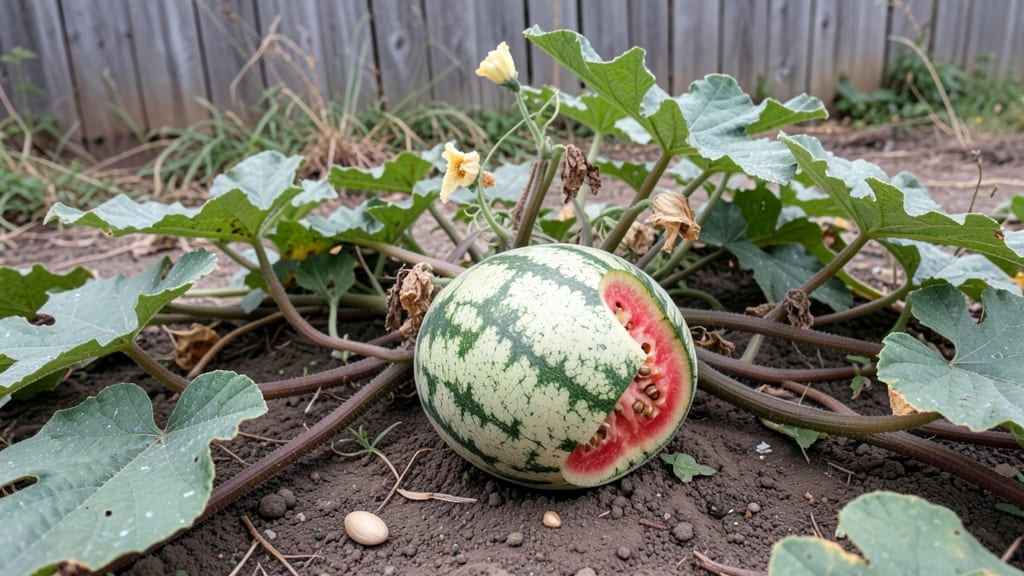
Watermelon seeds are safe for birds to eat in moderation, offering fiber and essential nutrients, but overfeeding can lead to digestive issues or blockages from their hard texture.
Watermelon seeds pack a nutritional punch for birds, delivering healthy fats and magnesium that support their energy levels and bone strength. 🌟 However, their size and hardness make them a choking hazard for smaller species like finches, while larger birds like cardinals can handle them better.
I always recommend crushing seeds slightly or offering them alongside watermelon flesh to create a safer, more balanced treat. The key is portion control—think of these as a side dish rather than a main course.
For backyard bird lovers, pairing watermelon seeds with other safe options like sunflower or pumpkin seeds creates a more varied diet. This approach not only prevents overreliance on any single food but also mimics the diversity birds would find in nature.
Always observe your feathered friends after feeding new treats—if you notice lethargy or digestive distress, it's time to adjust their menu.
💡 In This Article
- Nutritional Value of Watermelon Seeds for Birds
- Safe Ways to Serve Watermelon Seeds to Backyard Birds
Nutritional value of watermelon seeds for birds
Watermelon seeds contain a surprising array of nutrients that benefit avian diets, starting with their healthy fat content—about 15% by weight, primarily unsaturated fats that support energy metabolism.
This fat content is higher than sunflower seeds (50% fat but mostly unsaturated) but comparable to pumpkin seeds (40% fat), making them a balanced energy source.
The seeds also provide magnesium (about 160mg per 100g), crucial for muscle function and nerve signaling in birds, and fiber (around 1.5g per 100g) that aids digestion—similar to how chia seeds benefit human diets.
Here's what's actually happening in a bird's digestive system when they consume watermelon seeds: The hard outer shell requires grinding from their gizzard (a muscular stomach organ), which breaks down the seed's structure to release nutrients. 🌟 However, this grinding process can be inefficient for small birds like sparrows, whose gizzards aren't strong enough to fully process whole seeds.
Larger birds like jays or doves handle them better due to their more powerful digestive systems. The fiber content helps regulate bowel movements, but the seed's hardness can lead to blockages if consumed in excess.
What most people don't realize is that watermelon seeds contain trace amounts of cyanogenic glycosides—natural compounds that can release cyanide when metabolized. While the levels are extremely low (typically 0.005% of the seed's weight), this becomes a concern if birds consume seeds in bulk over time.
For comparison, sunflower seeds contain no cyanogenic compounds, making them a safer alternative for frequent feeding. The risk is minimal for healthy adult birds but could affect nestlings or birds with compromised liver function.
The key factor in determining seed safety is size relative to the bird's beak and digestive tract.
A single watermelon seed measures about 0.5-1cm in diameter, which is manageable for birds with beaks larger than 1.5cm (like robins or cardinals) but poses a choking hazard for finches with 0.5cm beaks.
This size comparison explains why seed preparation—like lightly crushing seeds—can make them accessible to a wider range of bird species without losing nutritional value.
When comparing watermelon seeds to other bird-safe seeds, their nutritional profile stands out in specific ways. Sunflower seeds offer more fat (50% vs. 15%) but lack the magnesium content found in watermelon seeds. Pumpkin seeds provide similar magnesium levels but are denser and harder to digest.
The combination of fiber, healthy fats, and magnesium in watermelon seeds makes them a well-rounded treat—just one that requires careful portion control to avoid digestive issues.
For backyard bird enthusiasts, understanding these nutritional details helps create a balanced feeding strategy. Offering watermelon seeds as part of a varied diet—alongside sunflower, pumpkin, or millet—ensures birds receive diverse nutrients while minimizing risks.
Always remember that moderation is key: a handful of seeds per bird per week is plenty, especially when paired with fresh fruit or vegetables to aid digestion.