
How To
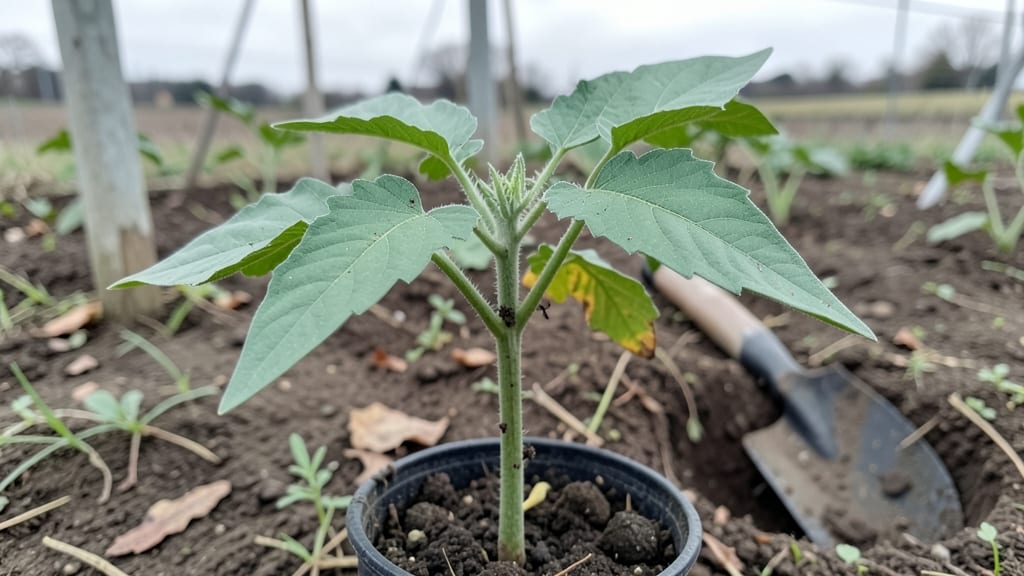
Planting using seeds is all about getting the depth right — most seed packets call for twice the seed’s width, but that’s just the starting point.
Struggling to get your seeds to sprout consistently? The secret often lies in planting them at the perfect soil depth—too shallow or too deep, and you risk wasting seeds or stunted growth. I’ve seen $20 seed trays turn into sad, leggy seedlings because of a ¼-inch miscalculation.
Here’s the good news: once you master a few simple rules, you’ll see 90%+ germination rates across your General Seed Plant 🌱 collection. We’ll cover everything from soil prep to post-planting care, so you can skip the guesswork and start growing with confidence.
By the end, you’ll know exactly how deep to bury each seed type, when to water without drowning them, and what to do when those first green shoots finally break through the soil.

Optimal soil depth for planting seeds by seed type
Planting seeds at the right depth is like giving them the perfect cozy blanket—too shallow, and they dry out; too deep, and they struggle to reach light.
The seed size dictates the ideal depth, with most experts recommending a rule of thumb: plant seeds at a depth 2-3 times their width. But not all seeds follow this rule, especially tiny flower seeds or massive pumpkin seeds.
Let’s break it down by category so you can avoid common pitfalls like failed germination or weak seedlings.
For small seeds like lettuce, carrots, or basil, the soil should feel like a gentle hug—not a tight squeeze. These delicate seeds need just enough coverage to stay moist but not so deep they suffocate.
Meanwhile, medium seeds like beans, peas, or sunflower seeds thrive when buried slightly deeper, while large seeds (think pumpkins or okra) can handle a deeper planting to protect them from birds and drying out. Understanding these nuances is key to maximizing your germination rates.
The science behind seed depth is rooted in a seed’s need for moisture, light, and oxygen. Most seeds require darkness to germinate, which is why they’re planted below the soil surface.
However, some light-loving seeds, like petunias or snapdragons, should barely be covered—just pressed into the soil. This balance ensures your seeds get the right conditions to sprout consistently without wasting your time or resources.
Here’s where many gardeners go wrong: they either eyeball the depth or follow outdated advice. For example, planting carrot seeds too deep can lead to leggy, weak seedlings that flop over, while bean seeds buried too shallowly may dry out before sprouting.
The good news? With the right depth, you’ll see faster germination and healthier plants from day one.
Now, let’s dive into the specifics. Below is a seed-by-seed breakdown of optimal planting depths, categorized by size. Use this as your go-to reference the next time you’re prepping your garden beds or seed trays.
Remember, soil type (sandy vs. clay) can slightly alter these guidelines, but these are the gold-standard depths for most gardeners.
🌱
| Seed Type | Plant Examples | Optimal Depth | Notes |
|---|---|---|---|
| Small Seeds | Lettuce, Carrots, Basil, Petunias, Snapdragons | 1/4" to 1/2" | Light cover; some need light to germinate |
| Medium Seeds | Beans, Peas, Sunflowers, Tomatoes, Marigolds | 1" to 1.5" | Ideal for most vegetables; firm soil helps |
| Large Seeds | Pumpkins, Okra, Beets, Squash, Sunflower (large) | 1.5" to 2.5" | Deep planting protects from drying out |
| Light-Loving Seeds | Petunias, Snapdragons, Lobelia | Surface or 1/8" deep | Press into soil; no covering needed |
| Special Cases | Carrots, Radishes, Parsnips | 1/2" max (shallow to prevent legginess) | Deep planting causes stunted growth |
Take carrot seeds, for instance. Planting them too deep (more than 1/2 inch) can lead to seedlings that stretch toward the light, becoming weak and prone to bolt (premature flowering).
On the flip side, pumpkin seeds, which are large and packed with nutrients, can handle a 2-inch depth without issue. This depth not only protects them from drying out but also deters hungry birds and pests.
If you’re still unsure, always check the seed packet instructions, as some varieties have unique requirements. For example, radish seeds should only be planted 1/4 inch deep to ensure quick germination, while okra seeds can go up to 1.5 inches deep because of their hard outer shell.
Pro tip: use a seed depth marker or a popsicle stick to create consistent furrows in your soil, ensuring every seed gets the same treatment.
Another pro move? Pre-moisten your soil before planting. Dry soil can cause seeds to adhere to the surface or sink unevenly, leading to inconsistent germination. Aim for soil that’s damp but not soggy—like a wrung-out sponge.
This step is especially critical for small seeds, which can dry out in seconds if the soil isn’t prepared properly. Think of it as setting the stage for your seeds’ big debut.
Lastly,
Step-by-step guide to planting seeds at the right depth
Planting seeds at the correct depth is an art that balances science and precision. Too shallow, and seeds dry out or fail to anchor; too deep, and they struggle to reach the surface. The key lies in understanding your seed’s size and moisture needs.
For instance, tiny lettuce seeds need just a sprinkle of soil, while sunflower seeds require a cozy 1-inch burial. Let’s break this down into actionable steps to ensure your seeds sprout with confidence.
Before you even touch your seeds, prepare your soil and workspace. Loosen the top 6 inches of soil with a garden fork or trowel to create a seed-friendly environment. Remove rocks and debris, then mix in compost or aged manure to improve drainage and fertility.
If you’re planting in containers, ensure they have drainage holes to prevent waterlogging—root rot is a seedling’s worst enemy. A little prep now saves hours of troubleshooting later.
Your Seed Planting Checklist
-
Step 1: Read the Seed Packet
Every packet lists the ideal planting depth—use this as your baseline. For example, carrot seeds should sit just 1/8 inch deep, while bean seeds need 1 inch of coverage. If unsure, err on the side of shallower for small seeds. -
Step 2: Use the Right Tools
For precision, grab a seed tape (pre-spaced seeds on tape) or a toothpick to mark planting spots. A measuring spoon helps create consistent furrows. Pro tip: A spray bottle keeps seeds moist during planting without disturbing them. -
Step 3: Create Furrows or Holes
Use your finger or a small tool to make shallow trenches or individual holes. The depth should match your seed’s width—double the seed’s diameter is a foolproof rule. For example, a 1/4-inch tomato seed needs a 1/2-inch deep trench. -
Step 4: Plant with Care
Place 1-2 seeds per spot (thinning later saves time). Cover gently with soil, then lightly pat to secure. Avoid pressing too hard—compacted soil can suffocate emerging roots. For large seeds like pumpkin, press them into the soil to ensure contact. -
Step 5: Water Gently
Use a fine mist or spray bottle to avoid displacing seeds. Aim for moist (not soggy) soil. Place a clear plastic dome or plastic wrap over containers to retain humidity until germination. Remove it once sprouts appear to prevent mold. -
Step 6: Monitor and Thin
Once seedlings have 2-3 true leaves, thin to the strongest plant per spot. Use scissors to snip weak sprouts at soil level—pulling can disturb roots of remaining plants. Label your rows with toothpicks and markers to track varieties.
Uneven germination often stems from inconsistent soil moisture or depth. If some seeds sprout while others lag, check for clumped soil or uneven planting. A quick fix: Gently fluff the soil around struggling seeds and add a light layer of compost to encourage root growth.
For stubborn seeds, try a warmth mat (set to 70°F) to speed up germination—especially useful for slow germinators like parsley or peppers.
Precision tools like seed tapes or planting grids can transform your germination rates. These tools eliminate guesswork, ensuring seeds are spaced and planted at the exact depth and distance they need.
For example, a seed tape for basil places seeds 1/4 inch deep and 6 inches apart, matching the packet’s recommendations perfectly. Investing in these tools pays off in stronger, healthier seedlings and less wasted effort.
Remember, every seed is unique—herbs, flowers, and vegetables all have different needs. Always double-check your seed packet or a reliable planting guide for specific advice. With these steps, you’ll go from guessing to growing like a pro. Happy planting! 🌱🌿