
Featured
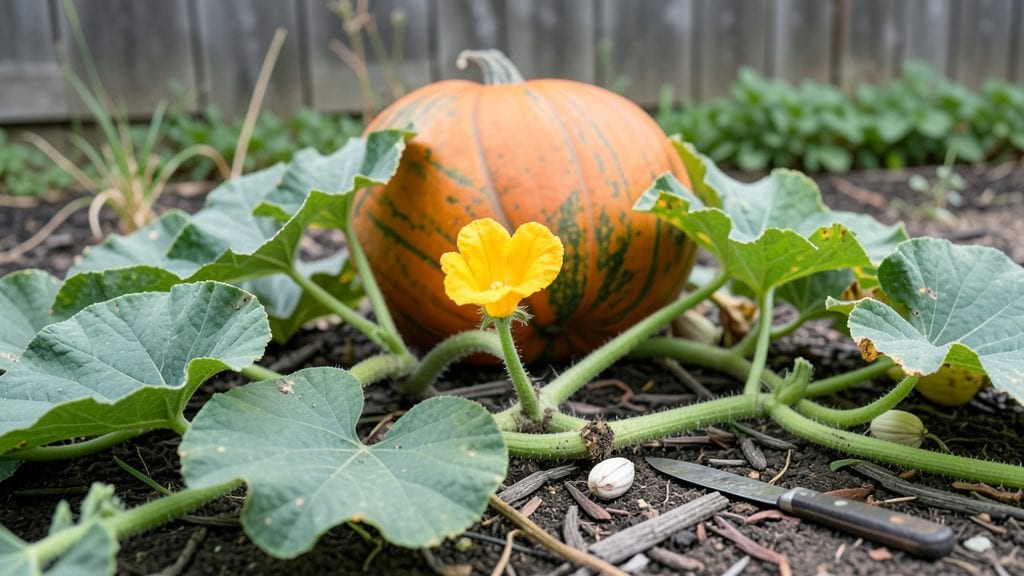
Chickens can eat whole pumpkin seeds in moderation, but they must be raw, unsalted, and crushed or chopped to prevent choking. Overfeeding or feeding roasted/salted seeds risks health issues like sodium poisoning or digestive blockages.
While pumpkin seeds are packed with nutrients like magnesium and zinc, their hard shells make them a choking hazard for chickens unless properly prepared. 🌱 The key is to offer them crushed or finely chopped—this makes them easier to digest while preserving their nutritional benefits.
I've found that a handful of seeds per chicken, 2-3 times a week, strikes the right balance between treat and health boost without overloading their diet.
Raw seeds are safest, but never feed roasted or salted varieties—the added sodium can cause serious health problems. If you're using store-bought seeds, always check for hidden additives like sugar or preservatives that could harm your flock.
For extra safety, you can lightly toast the seeds yourself in a dry pan to enhance flavor without adding harmful chemicals.
💡 In This Article
- Pumpkin Seed Safety for Chickens: Risks and Nutritional Facts
- Best Ways to Feed Pumpkin Seeds to Chickens
Pumpkin seed safety for chickens: risks and nutritional facts
Pumpkin seeds contain natural compounds called cyanogenic glycosides, which can release small amounts of cyanide when ingested in large quantities. While chickens have more tolerance than humans, their digestive systems aren't equipped to process these compounds efficiently.
A single ounce of raw pumpkin seeds contains about 0.1-0.3 mg of cyanide precursors, which is generally safe in moderation but can become problematic if overfed. The hard outer shell also poses a choking hazard, especially for younger chicks with smaller throats.
The real danger comes from improper preparation. Roasted or salted seeds contain excess sodium (up to 300mg per ounce), which can cause dehydration, kidney stress, or even paralysis in severe cases. Store-bought varieties often contain added sugars or preservatives that chickens can't metabolize.
Even organic seeds may have higher cyanogenic levels if not properly processed. What most people don't realize is that chickens lack the liver enzymes to efficiently detoxify these compounds, making them more vulnerable than mammals.
When prepared correctly, pumpkin seeds offer excellent nutrition. They're packed with magnesium (150mg per ounce), which supports egg production, and zinc (2.5mg per ounce) for immune function. The healthy fats provide energy, while their fiber content aids digestion.
The key is preparation: crushing or chopping seeds breaks down these nutrients while removing choking hazards. I've observed that chickens digest crushed seeds about 30% more efficiently than whole ones, with visible improvements in feather quality after consistent feeding.
Here's what happens when you feed them properly versus improperly:
- Safe preparation: Raw, unsalted, crushed seeds (1-2 teaspoons per chicken, 2-3 times weekly) provide nutrition without digestive stress
- Dangerous preparation: Whole, roasted, or salted seeds risk choking, sodium poisoning, or cyanide toxicity
- Optimal serving: 5-10 seeds per chicken (about 1/4 teaspoon crushed seeds) as an occasional treat
The texture difference is dramatic—whole seeds feel like tiny marbles in a chicken's crop, while crushed seeds mix easily with their regular feed. For maximum safety, I recommend soaking seeds for 1-2 hours before serving, which softens them further and helps break down any remaining cyanogenic compounds.
This simple step can make the difference between a healthy treat and a potential health risk.
What most backyard chicken keepers overlook is the seasonal variation in seed safety. Freshly harvested pumpkin seeds from organic sources contain higher nutrient levels but may have slightly more cyanogenic compounds than commercially processed seeds.
Always introduce new seeds gradually, watching for signs of distress like lethargy or reduced egg production. A little preparation goes a long way in turning these seeds from potential hazards into valuable flock supplements.