
Pests and Diseases
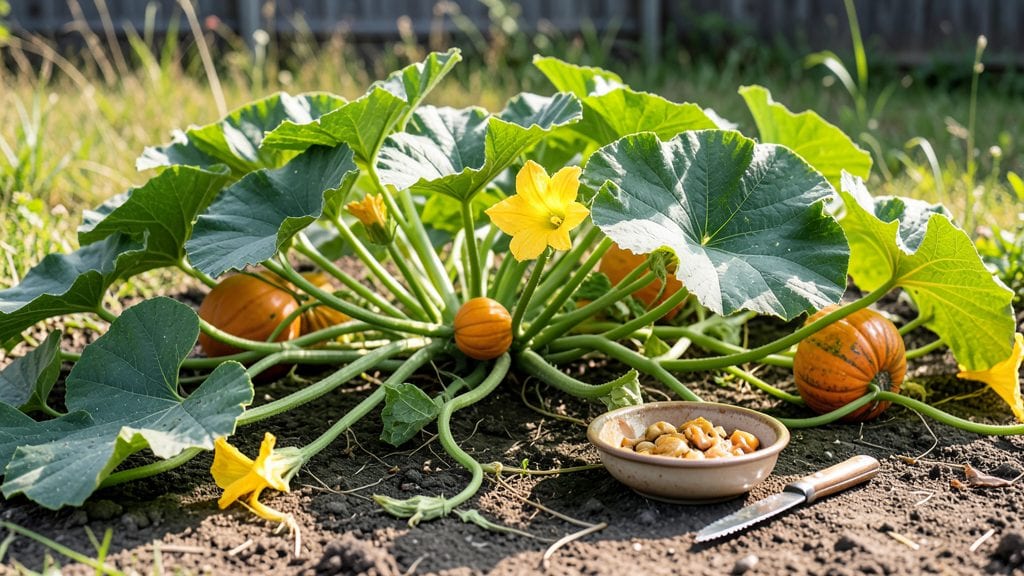
Chickens can eat pumpkin guts and seeds in moderation, as they provide fiber and nutrients, but remove any moldy or rotten parts to avoid digestive issues or illness. Feed raw or cooked seeds and flesh, but avoid large quantities to prevent obesity or nutrient imbalance.
Pumpkin isn't just safe for chickens—it's a powerhouse of vitamins A and C, along with minerals like magnesium and potassium that support their immune system and egg production. 🌟 The seeds add extra protein and healthy fats, but only when fed in small amounts.
I've seen chickens go wild for pumpkin scraps, especially when it's roasted or mashed—it makes a great treat during cooler months when fresh greens are scarce. Just remember to peel and chop it into bite-sized pieces for easy digestion.
For best results, start with 1-2 tablespoons per chicken and monitor their reaction. Overfeeding can lead to loose stools or weight gain, so treat it like any other snack rather than a staple.
If you're using canned pumpkin, opt for plain, unsweetened versions without added spices or preservatives. This simple swap can turn kitchen scraps into a nutritious boost for your flock!
💡 In This Article
- Nutritional Value of Pumpkin Guts and Seeds for Chickens
- Safe Feeding Practices for Pumpkin in Chicken Diets
Nutritional value of pumpkin guts and seeds for chickens
The pumpkin's edible flesh contains a nutrient profile that makes it an excellent treat for chickens. A 1-cup serving of raw pumpkin flesh provides approximately 12,000 IU of vitamin A (240% of a chicken's daily requirement) and 17% of their daily vitamin C needs.
This vitamin A supports their immune system and helps maintain healthy skin and feathers, while vitamin C acts as an antioxidant to protect cells from damage. 💛 The flesh also contains 2 grams of fiber per cup, which aids digestion by promoting gut motility and preventing impaction—a common issue in chickens.
When comparing raw versus cooked pumpkin, you'll notice some key differences. Cooking reduces the vitamin C content by about 30% due to heat sensitivity, but it makes the flesh easier to digest by breaking down tough fibers.
The seeds, on the other hand, offer a different nutritional punch: 1 ounce of raw seeds contains 5 grams of protein and 150 mg of magnesium (15% of a chicken's daily requirement), which supports muscle function and nerve signaling.
The seeds also provide healthy fats that chickens can convert into energy, though they should be fed in moderation due to their calorie density.
Here's what these nutrients actually do for your flock: Vitamin A promotes strong egg production and shell formation, while magnesium prevents leg weakness and muscle spasms. The potassium in pumpkin flesh helps regulate fluid balance, which is especially important for chickens in hot climates.
What most people don't realize is that pumpkin's natural sugars provide quick energy without spiking blood glucose levels—making it an ideal treat during molting seasons when chickens need extra nutrition. 🌟
Let's break down the mineral content further. A ½-cup serving of pumpkin seeds delivers 290 mg of potassium (about 6% of a chicken's daily needs) and 1.5 mg of zinc, which supports wound healing and immune function.
The fiber in the flesh acts as a natural prebiotic, feeding beneficial gut bacteria that improve nutrient absorption. This is why chickens often show improved droppings consistency when pumpkin is introduced to their diet—it's not just about the nutrients, but how those nutrients are delivered to their systems.
For practical application, consider this: If you're feeding pumpkin as a supplement to their regular feed, aim for 5-10% of their daily diet from pumpkin sources. The seeds should make up no more than 10% of that portion due to their fat content.
I've found that chickens will often self-regulate their intake—offering too much can lead to loose stools, but most will peck at it until they've had enough. The key is balance: too little won't provide benefits, but too much can disrupt their digestive systems.
One final insight worth noting: The orange color of pumpkin flesh comes from carotenoids, which chickens can convert into vitamin A. This is why you'll often see chickens with vibrant yellow skin and egg yolks when pumpkin is part of their diet—it's a visual indicator that they're getting these important nutrients. 💫 The seeds, meanwhile, contain compounds called cucurbitacins that have mild antibiotic properties, which may help support their immune systems naturally.