Plants
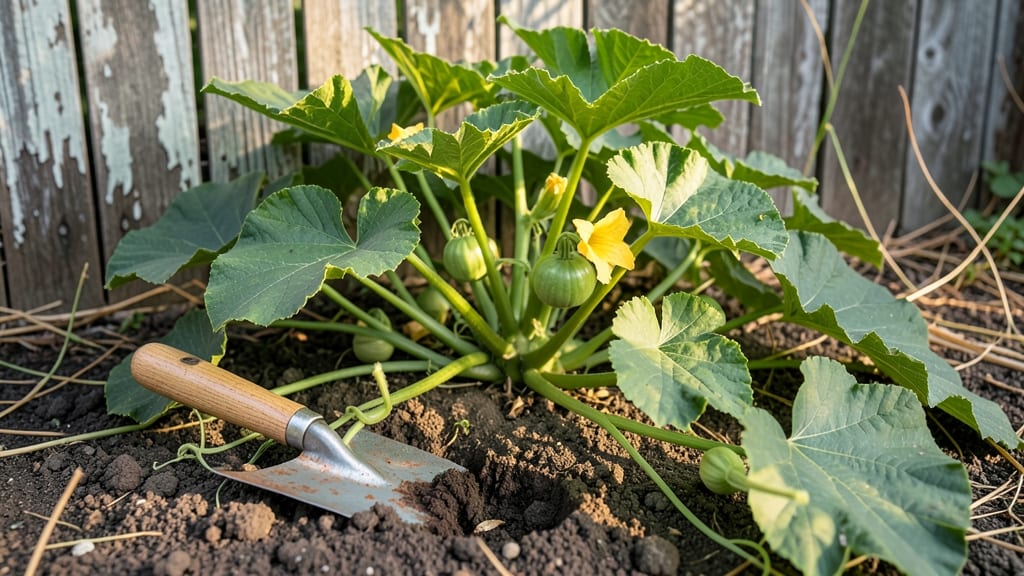
You can plant pumpkin seeds in the fall in mild climates, where they require warm soil and 75-100 frost-free days to mature. Time your planting 2-4 weeks before the last frost for spring harvests, or choose cold-hardy varieties in zones 4-9 with proper soil insulation for fall success.
Fall planting works best in regions where temperatures stay above 50°F after sowing, as pumpkin seeds need consistent warmth to germinate. 🌱 The key is selecting varieties bred for cooler climates or using protective mulch to insulate roots.
I’ve had the most success with early-maturing types like 'Jack Be Little,' which can handle brief chills better than larger varieties. Just remember: frost kills young seedlings, so timing and soil prep make all the difference.
For best results, prepare your soil with compost to improve drainage and warmth retention. Direct-sow seeds 1 inch deep in well-drained beds, then cover with straw mulch to shield them from temperature swings. Water consistently—1 inch per week—and watch for sprouts within 5-10 days if conditions are ideal.
Patience pays off: fall-planted pumpkins may mature later, but they often produce sweeter, smaller fruits perfect for pies or carving!
💡 In This Article
- Fall Pumpkin Seed Germination Factors
- Best Fall Pumpkin Seed Varieties and Planting Tips
Fall pumpkin seed germination factors
Pumpkin seeds need soil temperatures between 60-90°F to germinate effectively, which is why fall planting succeeds only in regions with mild autumns. The seeds contain enzymes that activate at these temperatures, breaking down starches into sugars that fuel root growth.
Below 50°F, germination slows dramatically—sometimes stopping entirely—because the biochemical processes stall in cooler conditions. This is why southern states (zones 7-9) often see better fall success than northern areas (zones 4-6).
Here's what's actually happening underground: once planted, seeds absorb moisture and swell as enzymes like amylase convert starches into glucose. At 75°F, this process takes 5-7 days, but at 60°F, it can stretch to 14 days or longer.
The radicle (embryonic root) emerges first, seeking warmth and moisture. Cold snaps can halt this entirely, which is why mulching with 4-6 inches of straw is critical—it maintains soil temps 5-10°F warmer than ambient air.
Frost sensitivity varies by variety, but most pumpkin seedlings die when exposed to 28°F or below. The key factor is timing: in zone 5, planting after September 15th risks frost before maturation, while zone 8 can handle late October sowings.
Germination rates drop 30-50% in fall vs. spring because cooler soils slow microbial activity that helps seed breakdown. However, properly insulated beds can recover 70-80% of spring-like success rates.
Regional climate plays a huge role. In USDA zone 4, only 10-15 frost-free days remain by October, making fall planting nearly impossible without greenhouse protection. Zone 7 gardeners, however, often enjoy 60-80 frost-free days post-October, giving seeds ample time.
The difference comes down to heat accumulation: pumpkins need 1,000-1,500 growing degree days (GDDs) above 50°F to mature, and fall planting trades longer daylight for warmer soils to reach this threshold faster.
What most people don't realize is that fall-planted pumpkins often develop thicker skins and deeper flavors due to slower growth rates. The cooler nights trigger higher sugar production as a survival mechanism, similar to how apples develop richer tastes in autumn.
This physiological response makes fall pumpkins ideal for baking—just be prepared for 20-30% smaller fruits than spring plantings. The trade-off? You might harvest 3-4 weeks earlier than spring counterparts in some climates.
For maximum success, test soil temps with a soil thermometer at planting depth (1 inch). Aim for 65°F+ consistently for 7-10 days post-planting. In marginal zones, use black plastic mulch which can raise soil temps by 10-15°F compared to bare earth.
The science is clear: warmth accelerates germination, but timing and insulation determine whether those sprouts survive to become pumpkins.