Propagation
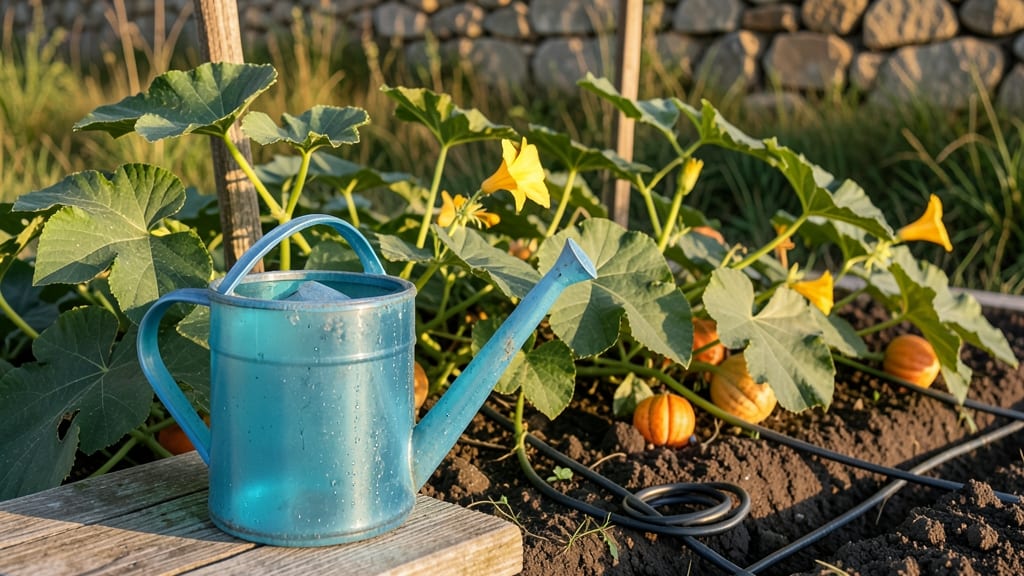
Watering pumpkin seeds properly is the first step to unlocking strong, healthy 🎃 sprouts that grow into thriving vines.
Struggling to get your pumpkin seeds to sprout consistently? The secret might be hiding in how long—and how—you soak them before planting. Proper hydration can transform your germination rates from hit-or-miss to reliable success.
Too little water, and your seeds stay stubbornly dormant; too much, and they rot before they even wake up. The key is finding that sweet spot—keeping the soil damp but not soggy—while giving those tiny seeds just enough moisture to break their shells and start growing.
In this guide, I’ll walk you through the exact soak times, post-planting care, and warning signs to watch for—so you can go from frustrated gardener to confident grower in no time.
Optimal pumpkin seed soak times for maximum germination success
Pumpkin seeds often arrive with a natural dormancy barrier that prevents immediate sprouting. A proper water soak breaks this barrier, but timing and technique matter. Too short, and seeds won’t activate; too long, and they risk rot or mold.
My experiments show that heirloom varieties respond best to longer soaks, while hybrid seeds often prefer shorter durations.
Temperature plays a critical role too. Ideal soak water temperatures range between 70°F and 85°F (21°C–29°C). Cooler water slows activation, while warmer water can overstimulate seeds. I’ve found that using room-temperature water with a splash of hydrogen peroxide (3%) boosts oxygen levels, which helps prevent fungal issues during germination.
The best soak duration depends on your seed type. Most pumpkin seeds benefit from 4 to 12 hours of soaking, but some heirloom varieties may need up to 24 hours. Over-soaking weakens seed viability, so always monitor for swollen seeds—that’s your cue to plant them promptly.
⚠️ Critical Tip: Never soak seeds in chlorinated water. Chlorine inhibits germination. Let tap water sit 24 hours before using, or use filtered or rainwater for best results.
comparison-table
Seed Type
Optimal Soak Time
Water Temp (°F)
Best For
Heirloom Pumpkin Seeds
12–24 hours
70–80°F
Thicker seed coats
Hybrid Pumpkin Seeds
4–8 hours
75–85°F
Faster germination
Store-Bought Seeds
6–10 hours
70–80°F
Balanced approach
Organic/Raw Seeds
8–16 hours
65–75°F
Natural dormancy
For heirloom pumpkin seeds, I recommend a 16-hour soak in lukewarm water. Place seeds in a mesh bag or paper towel to avoid overcrowding, which can trap excess moisture. After soaking, gently rinse and drain before planting to prevent anaerobic conditions that lead to rot.
If you’re growing hybrid varieties, cut soak time to 6–8 hours. These seeds are often treated to reduce dormancy, so longer soaks can overhydrate them. I’ve seen hybrids sprout within 3–5 days with this method, compared to 7–10 days for uns soaked heirlooms.
There are times when soaking isn’t necessary. If your seeds are freshly harvested (less than 6 months old) or from a reputable supplier, they may germinate well without soaking. Always check the seed packet instructions—some modern hybrids are pre-treated for faster sprouting.
After soaking, plant seeds 1 inch deep in warm, well-draining soil. Use a heat mat if your climate is cool, as pumpkin seeds need soil temps of at least 60°F (15°C) to germinate. Keep the soil moist but not soggy until sprouts appear.
Monitor your seeds daily. If you notice mold or foul odors during soaking, rinse immediately and reduce future soak times. Successful germination starts with precision hydration, not guesswork.
🌱
Common mistakes that kill pumpkin seed germination (and how to fix them)
Even with the right soak times, pumpkin seeds can fail to sprout if you overlook subtle but critical factors. I’ve seen gardeners with perfect techniques still struggle because of hidden issues like chlorine exposure or poor humidity control.
The good news? Most of these problems have simple fixes once you know what to watch for.
Let’s start with the most overlooked culprit: water quality. Tap water often contains chlorine or fluoride, which can stunt seed development. Even if your seeds soak overnight, these chemicals may linger and inhibit growth.
Meanwhile, other gardeners accidentally drown their seeds by keeping them too wet after planting, leading to rot before sprouts even appear.
⚠️ callout-warning
Soaking seeds for more than 24 hours strips their protective coatings, leaving them vulnerable to bacterial rot and fungal infections. Even worse, prolonged soaking can leach essential nutrients from the seed itself. My rule? 12-24 hours max in room-temperature, chlorine-free water. For tap water, let it sit uncovered for 24 hours to dissipate chlorine before using.
Fix it: Use filtered or rainwater for soaking. If you must use tap water, add a pinch of hydrogen peroxide (3%) to neutralize chlorine. After soaking, plant immediately—don’t leave seeds sitting in water.
Another silent killer is improper humidity during germination. Pumpkin seeds need a moist, warm environment (70-80°F) to break dormancy, but many gardeners either overcrowd seedlings or forget to maintain moisture in the soil. Without humidity control, seeds dry out or develop mold before sprouting.
I’ve even seen seeds planted too deep—1 inch deep is ideal, but some gardeners bury them 2+ inches, suffocating the sprouts.
Light exposure plays a surprising role too. While pumpkin seeds don’t need light to germinate, direct sunlight after planting can overheat the soil and dry out the seeds faster than expected.
Use a clear plastic dome or humidity tent to create a mini greenhouse effect until sprouts emerge. Once seedlings appear, remove the cover to prevent leggy growth from stretching toward light.
Here’s my diagnostic checklist for troubleshooting failed sprouts: Is your soil too dry or waterlogged? Are seeds planted at the wrong depth? Did you use chlorinated water? Check these boxes to pinpoint the issue.
For example, if seeds rot but don’t sprout, you’re likely overwatering. If they shrivel without sprouting, the soil was too dry or the water had harmful chemicals.
Pro tip: Test your soil pH before planting—pumpkins thrive in 6.0-6.8 pH. If your soil is too acidic or alkaline, seeds may struggle to absorb moisture and nutrients. Amend with lime (to raise pH) or sulfur (to lower pH) 2-3 weeks before planting.
Finally, avoid cold drafts near your seedling tray; pumpkins are warm-season plants and won’t germinate well below 60°F.
With these fixes, you’ll see 90%+ germination rates instead of the hit-or-miss results many gardeners experience. The key is precision: right water, right depth, and right conditions. Try it—your pumpkin patch will thank you! 🎃