Companion Plants
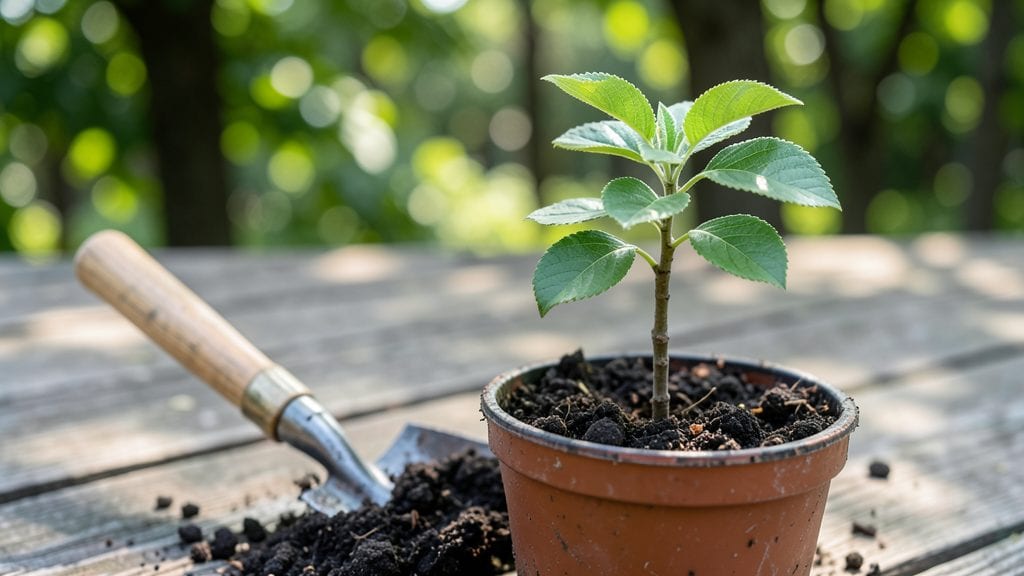
You can plant an apple seed to grow a tree, but the resulting fruit will likely differ from the parent tree due to genetic variability and cross-pollination. Success requires viable seeds, proper germination conditions, and years of patient care for potential growth.
Growing an apple tree from seed is a fascinating experiment, but the fruit you eventually get—if you get any—will probably taste nothing like the parent. 🌱 Seeds come from cross-pollinated flowers, so their genetic makeup is a random mix of traits from multiple trees.
Even if your seedling survives, it may take 10-15 years before it bears fruit (if ever), and those apples could be tart, small, or completely different from store-bought varieties. I’ve tried this myself—my seedling grew into a sturdy tree, but the few apples it produced were mealy and unappealing.
For consistent fruit, grafting is the gold standard, but the seed method offers a fun way to explore nature’s unpredictability.
💡 In This Article
- Genetic Variability in Apple Seedlings
- Step-by-Step Guide to Growing an Apple Tree from Seed
Genetic variability in apple seedlings
Here's what's actually happening when you plant an apple seed: commercial apple trees are almost always grafted clones of parent trees, meaning they reproduce genetically identical fruit. But seeds?
They're the wildcards of nature. 🌟 Each seed contains a unique combination of genes from two parent trees—one from the pollen and one from the ovule—creating a genetic lottery.
This is why your seedling might grow into a tree bearing apples that are tart, small, or even completely inedible compared to the parent fruit.
The science behind this involves heterozygous traits. Most commercial apple varieties are bred to be homozygous (stable) for desirable traits like sweetness or size. But seeds inherit a mix of dominant and recessive genes, which can lead to unpredictable outcomes.
For example, a sweet 'Fuji' apple might produce a seedling that grows sour apples because the recessive tartness gene resurfaces. This genetic shuffling is why orchardists rely on grafting rather than seeds for consistent crops.
Cross-pollination adds another layer of unpredictability. Bees and wind carry pollen between different apple trees, mixing traits from multiple varieties. If you plant a seed from a store-bought apple (which likely came from a cross-pollinated orchard), your seedling could inherit traits from dozens of unrelated trees.
This is why professional growers use controlled pollination when breeding new varieties—something impossible to replicate with a single seed. The result? Your homegrown apple tree might produce fruit that's more interesting to birds than humans!
Timeframes for fruiting add to the challenge. Even if your seedling survives, it may take 8-15 years before it bears fruit—if it ever does.
During this time, environmental factors like sunlight exposure, soil quality, and temperature fluctuations further influence the tree's development. 🍎 Compare this to grafted trees, which can produce fruit in as little as 3-5 years with predictable quality.
The patience required for seed-grown trees is one reason why grafting remains the preferred method for commercial orchards.
For the curious gardener, this genetic variability is part of the fun! If you're willing to experiment, planting apple seeds can lead to surprising discoveries—like finding a new variety that thrives in your climate.
Just don't expect it to match the parent tree's characteristics. The real reward comes from observing how nature's genetic roulette plays out in your own backyard.