Diseases
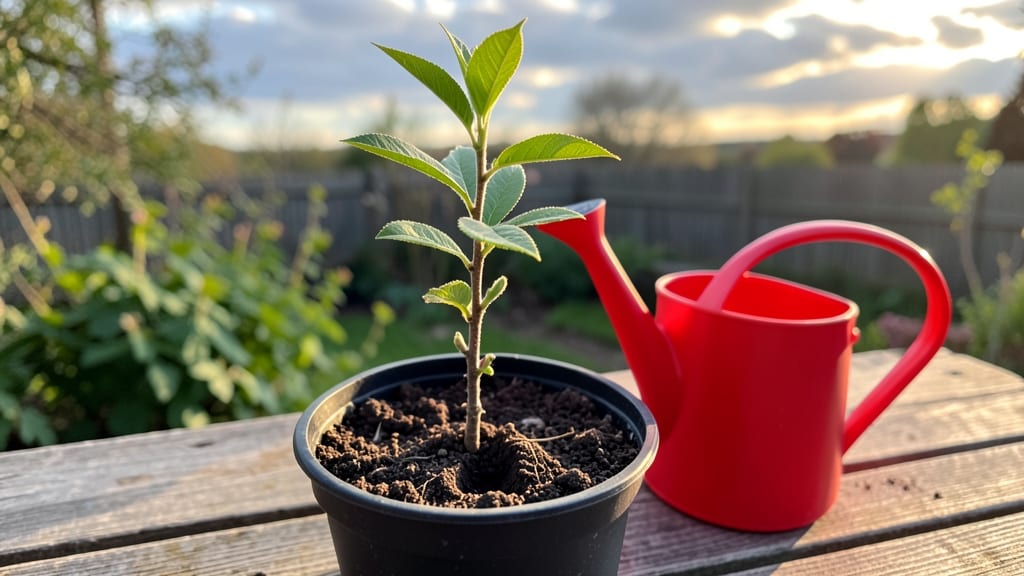
You can grow a peach tree from a peach seed, but the process is slow and unpredictable—expect 5-7 years before fruiting, and the resulting tree likely won’t resemble the parent variety due to genetic variation. Success hinges on proper seed preparation, soil conditions, and long-term care.
Peach seeds carry built-in dormancy, meaning they need stratification—a cold, moist treatment—to break their natural rest period. 🌱 I’ve found that placing seeds between damp paper towels in the fridge for 6-8 weeks works best, mimicking winter conditions in nature.
The hard seed coat also slows germination, so don’t be discouraged if sprouts take 4-6 weeks to appear after stratification. Even then, only about 30-50% of seeds typically germinate, making patience a gardener’s virtue.
Once seedlings emerge, they’ll need full sun exposure and well-draining soil with a pH of 6.0-6.5 to thrive. The first few years focus on building a sturdy root system—pruning aggressively in early spring helps shape strong branches.
Many gardeners skip this step and end up with leggy, weak trees that struggle to support fruit later. Remember, homegrown peach trees from seed are more of a botanical experiment than a reliable crop source, but the journey teaches invaluable lessons about plant genetics and horticulture.
💡 In This Article
- Peach Seed Germination Science and Stratification Process
- Best Practices for Cultivating Peach Seedlings into Trees
Peach seed germination science and stratification process
The biological reason peach seeds struggle to germinate lies in their hard seed coat and natural dormancy mechanisms. These adaptations help peach trees survive in their native habitats by preventing germination during unfavorable conditions.
The seed coat contains impermeable layers that block water absorption, while internal hormones like abscisic acid suppress growth until conditions improve. This built-in delay explains why simply planting a peach pit in soil often leads to failure—nature demands specific triggers before germination begins. 🔥
Stratification mimics winter's cold, moist conditions to break dormancy. The process involves storing seeds at 34-40°F for 6-8 weeks while maintaining 50-60% moisture in the growing medium.
For peach seeds, this typically means wrapping them in damp paper towels or burying them in a mix of sand and peat moss. The cold temperature softens the seed coat, while moisture triggers enzymatic activity that prepares the embryo for growth.
Without this treatment, germination rates drop below 20%, as the seed remains in a state of suspended animation.
The seed coat's hardness plays a critical role in timing. Thicker coats require longer stratification—sometimes up to 12 weeks—while thinner coats may germinate in as little as 4 weeks. This variation explains why some gardeners see sprouts within a month while others wait months.
The key is consistency: maintaining steady moisture without letting seeds dry out or rot. Too much water creates anaerobic conditions, while too little prevents the necessary biochemical reactions from occurring. 💫
Genetic unpredictability adds another layer of complexity. Peach trees grown from seed undergo cross-pollination in nature, resulting in offspring that rarely match the parent plant. This means your seedling might produce smaller fruit, different ripening times, or even a completely different variety.
For example, a seed from a Elberta peach might grow into a tree bearing fruit resembling Redhaven or another unrelated cultivar. This genetic lottery is why commercial orchards graft desirable varieties onto rootstocks rather than growing from seed.
What most gardeners don't realize is how stratification affects subsequent growth patterns. Seeds that germinate quickly often produce weaker seedlings because they've spent less time developing hardy root systems. Conversely, seeds that take longer to sprout tend to establish more robust initial growth.
This is why experienced growers recommend stratifying multiple seeds—to increase the odds of getting at least one vigorous seedling. The trade-off between speed and strength becomes apparent when transplanting, where faster germinators may struggle to adapt to outdoor conditions. ✨
Temperature fluctuations during stratification also matter. While 34-40°F is ideal, brief exposures to 50°F can accelerate the process by stimulating metabolic activity. This explains why some gardeners achieve germination in just 4-6 weeks by cycling seeds between fridge temperatures and slightly warmer conditions.
The science here involves chilling requirements that vary by seed maturity—younger seeds often need longer cold treatment than fully mature ones. Testing different durations helps identify what works best for your specific seeds.
One final consideration is seed viability. Peach seeds lose viability quickly—typically within 2-3 months of harvest—due to their high oil content, which becomes rancid over time. This means using fresh seeds from organic, disease-free fruit is crucial.
Storing seeds in the freezer can extend viability up to 6 months, but even then, germination rates decline. The lesson here? If you're saving seeds, do so immediately after eating the peach and prioritize stratification within weeks rather than months. 🌱