
Flowers
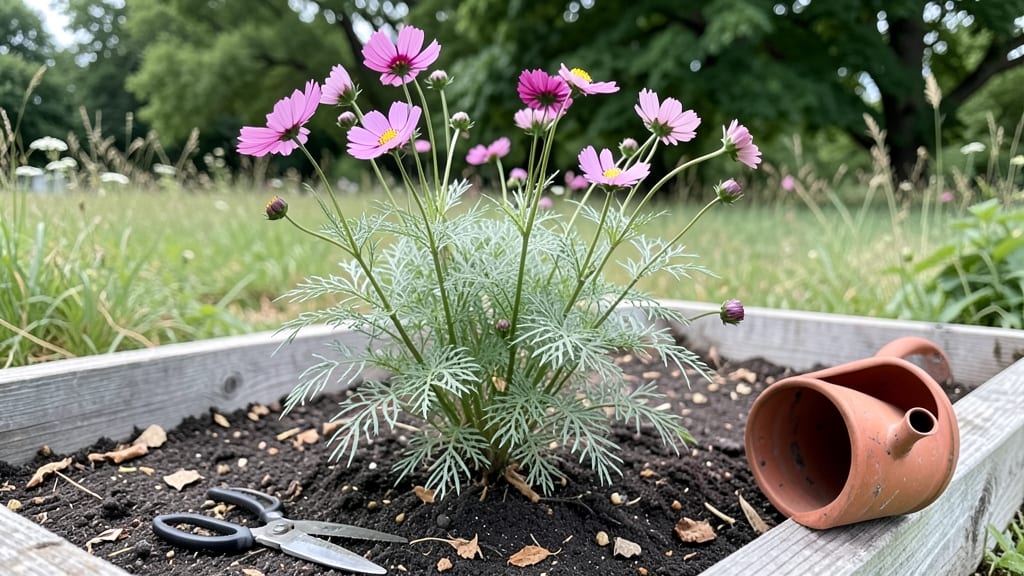
Direct sowing works best when seeds are small and lightweight, like most wildflower varieties, since they don’t need deep planting. 🌱 The key is maintaining even coverage—too thick, and seedlings compete for resources; too sparse, and you’ll have patchy blooms.
I’ve found that sowing in early spring or late fall gives seeds the ideal window to establish roots before summer heat or winter frost sets in. For best results, keep the soil lightly moist (not soggy) for the first few weeks, as this mimics natural rainfall patterns that trigger germination.
Wildflower mixes often contain a blend of seed sizes, so proper soil prep matters even more. A light raking after sowing breaks up surface crust, helping seeds settle into the top layer where they’ll find the moisture and light they need.
This simple step can double your success rate compared to simply scattering seeds and hoping for the best.
💡 In This Article
- Wildflower Seed Germination Requirements Explained
- Step-by-Step Guide to Direct Sowing Wildflower Seeds
Wildflower seed germination requirements explained
Most wildflower seeds are tiny—often less than 1/8 inch in diameter—and designed by nature to germinate in shallow soil layers where sunlight can reach. This is why direct sowing works so well: their lightweight structure means they don’t need deep burial to access moisture.
The top 1/4 inch of soil is typically ideal for these seeds, as deeper planting risks suffocating them by blocking light and air circulation. 🌱 For comparison, larger seeds like sunflower need 1-2 inches of depth, but wildflowers thrive with minimal disturbance.
The science behind this involves seed dormancy mechanisms. Many wildflower species require light exposure to trigger germination—a process called photoblasty. When seeds are buried too deeply, they may never receive the light signal needed to break dormancy.
Even a 1/8-inch burial can reduce germination rates by up to 30% for species like black-eyed Susan or coneflower. This is why a light raking after sowing is critical—it ensures seeds make contact with soil without being buried beyond their optimal depth.
Moisture retention is another critical factor. Wildflower seeds often have hard outer coatings that need softening before germination. Rainfall or consistent watering helps break this dormancy, but the soil must stay evenly moist (not waterlogged) during the first 2-3 weeks.
Too much water can cause seeds to rot, while too little leaves them dry and dormant. Think of it like mimicking a spring rain—gentle, frequent moisture keeps seeds hydrated without overwhelming them. 💧
Seed coverage also affects sprouting rates. Heavy coverage (more than 1/2 pound per 100 square feet) creates competition among seedlings, leading to weaker plants. Light coverage (1/4 pound per 100 square feet) allows each seedling room to grow without battling neighbors for sunlight and nutrients.
This is why many wildflower mixes recommend spreading seeds by hand or using a spreader for even distribution—uneven coverage leads to patchy blooms.
Sunlight exposure plays a dual role. While seeds need light to germinate, seedlings require it to thrive. Planting in full sun (at least 6-8 hours of direct sunlight daily) ensures strong, healthy growth.
However, in hot climates, afternoon shade can prevent seedlings from drying out too quickly. This balance is key—too much shade delays germination, while too much sun can stress young plants. 🌞
Temperature matters too. Most wildflowers germinate best in soil temperatures between 60-75°F. Sowing in early spring or late fall takes advantage of natural temperature fluctuations that trigger germination without extreme heat or cold.
For example, fall-sown seeds often germinate in spring when soil warms, while spring-sown seeds may need consistent moisture to prevent drying out during summer heat.