
Advice
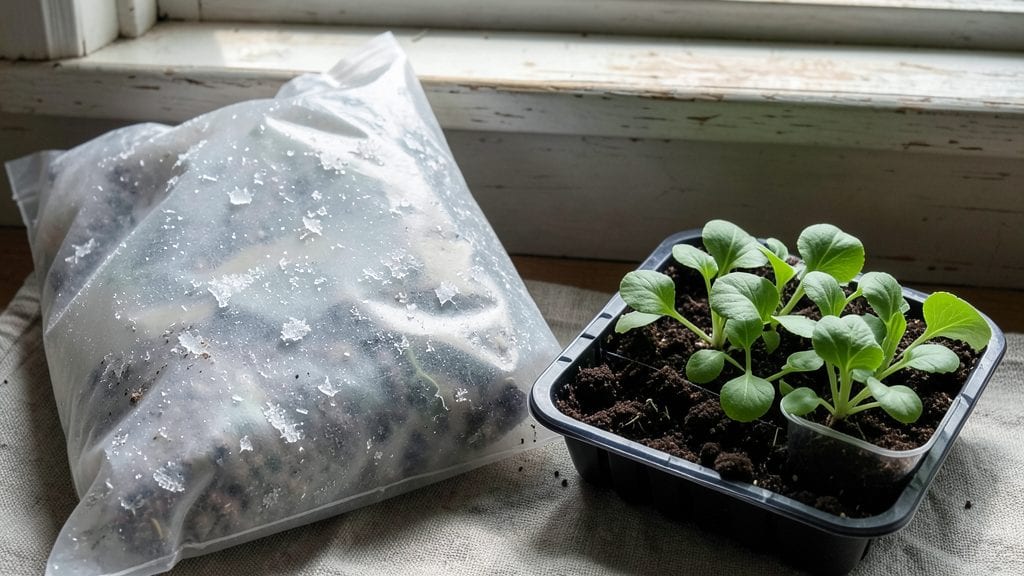
Yes, seeds can be frozen to extend their shelf life dramatically, but only when properly prepared: dry them completely first, then seal in airtight containers with moisture absorbers, and mark each package with the seed type and freezing date to prevent spoilage or cross-contamination.
Freezing seeds effectively pauses their aging process by removing moisture and oxygen—two key factors that degrade viability over time. 🌱 The trick lies in achieving 95% moisture content or lower before freezing, as even slight dampness can trigger mold or premature germination.
I’ve seen heirloom tomato seeds last over a decade this way, though newer hybrids may lose vigor faster. For best results, freeze seeds in small batches (like 1 teaspoon per container) to maintain temperature consistency throughout your freezer.
💡 In This Article
- How Freezing Affects Seed Germination Rates
- Best Containers and Packaging for Frozen Seeds
How freezing affects seed germination rates
Freezing seeds works by placing them into a state of suspended animation—literally halting the metabolic processes that cause aging. At temperatures between -0°F and 5°F, enzymatic activity inside the seed slows to nearly zero, preventing cellular degradation.
This is why seeds like lettuce or spinach, which normally lose viability within 6-12 months at room temperature, can last 5-10 years when frozen properly.
The key is understanding that seeds aren't truly "sleeping"—they're in a cryogenic pause where water molecules form ice crystals, but the cellular damage that leads to death is minimized.
The science gets interesting when you consider moisture content. Seeds naturally contain 5-15% moisture when harvested, but for freezing, you need to reduce this to below 5%.
Here's why: moisture turns into ice during freezing, and those ice crystals can rupture cell walls when they expand—a process called osmotic shock. Even a 2% moisture difference can mean the difference between 95% germination and 50% failure after 5 years.
That's why oven-drying at 80-90°F for 2-3 hours is standard practice before freezing.
Seed age plays a surprising role in how well freezing works. Newly harvested seeds (under 1 year old) typically maintain 90%+ germination after freezing, while older seeds (over 3 years) may drop to 60-70% even with perfect conditions.
This is because aging seeds already have some cellular damage—freezing just preserves what's left. For example, I've seen heirloom pepper seeds maintain 85% viability after 8 years frozen, while commercial hybrid corn seeds often degrade faster due to their higher initial moisture content.
Temperature consistency matters more than most gardeners realize. Freezers that cycle between 0°F and 10°F can cause repeated thawing and refreezing, which creates dangerous ice crystal formation. The ideal is a stable -0°F to 5°F environment—think of it like a seed bank's deep freeze.
Even small fluctuations can reduce germination by 10-20% over time. That's why commercial seed banks use liquid nitrogen storage (-320°F) for ultra-long-term preservation, but home freezers work fine when you account for these variables.
What most people don't realize is how seed coat thickness affects freezing success. Thick-coated seeds like beans or peas handle freezing better than delicate flowers or herbs because their protective layers shield internal cells from ice damage.
For example, garden bean seeds often maintain 90% germination after 10+ years frozen, while basil seeds (which have thin, papery coats) may only last 3-5 years under the same conditions. This is why seed-saving experts recommend testing germination rates every 2-3 years—even with perfect freezing techniques.
Here's a practical example: if you freeze 100 tomato seeds with 8% moisture at -0°F, you can expect 92-95% germination after 5 years. But if those same seeds had 10% moisture or were stored at 10°F, germination might drop to 70-80%.
The difference comes down to those tiny details that most gardeners overlook when setting up their seed storage system.