
Trees
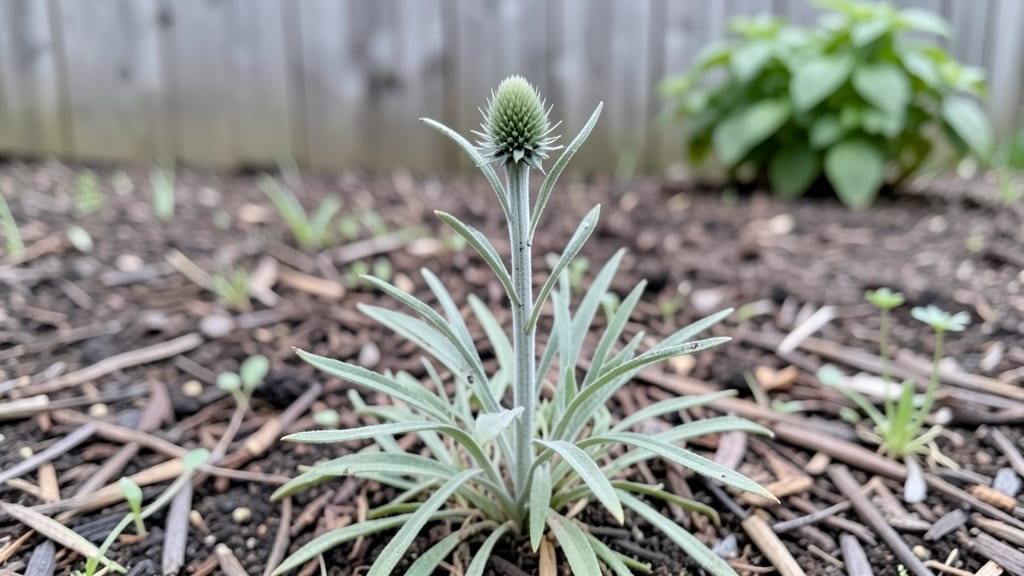
The identification of a coneflower seedling begins with its fuzzy, lobed leaves—so unlike weeds or other young plants that even experienced gardeners can mistake them for dandelions or chickweed. 🌱 I’ve spent years pulling up what I thought were coneflowers—only to realize they were impostors.
The key is those deep, rounded lobes with fuzzy edges, paired along the stem like tiny hands reaching up.
Healthy seedlings sprout in bright, indirect light and develop a rosette shape before shooting up. Mistake I made? Waiting too long to thin them—crowded seedlings stretch weak and leggy, while spaced ones grow sturdy stems and vibrant purple-blue buds by late summer.
A magnifying glass helps spot the fine hairs on leaves that set coneflowers apart.
Once you recognize the pattern, you’ll spot them in garden beds or wild patches—even in partial shade where they thrive better than in full sun. The first true leaves appear within 2-3 weeks of germination, and by month 2, you’ll see the classic daisy-like blooms forming at the tips.
That’s when you know you’ve got the real deal.
Common mix-ups happen with black-eyed Susans or yarrow, but coneflowers’ deeply cut, fuzzy foliage stays consistent from seedling to maturity. Pro tip: Snap a photo of the first leaves—comparing it to reference images later will save you from future misidentifications. Now let’s get those seedlings growing strong!
📚 In This Guide
- What you need
- Instructions
- Tips and common mistakes
- Wrapping up and next steps
What you need
- ● Coneflower seedlings or plants – At least 3-5 specimens (preferably at different growth stages) for accurate comparison.
- ● Hand lens or magnifying glass – A 10x magnification (e.g., Celestron 10x Magnifier) to examine fine leaf details.
- ● Ruler or measuring tape – A 6-inch or 12-inch ruler for measuring leaf length and spacing.
- ● Notebook or digital note-taking app – To record observations like leaf shape, color, and growth patterns.
- ● Camera or smartphone – For capturing close-up images of leaf structures and seedlings.
- ○ Gloves (optional but recommended) – Lightweight gardening gloves (e.g., Fiskars Leather Work Gloves) to protect hands from dirt or prickly stems.
- ● Field guide or plant identification app – Such as iNaturalist or The Plant Identifier for cross-referencing findings.
- ● Pruning shears – Small, sharp shears (e.g., Felco F2 Classic) for gently harvesting leaf samples if needed.
- ● Grow light or sunny windowsill – To observe seedlings under consistent lighting conditions.
- ● Potting soil and small pots – If you plan to nurture seedlings further (e.g., Miracle-Gro Potting Mix).
- ● Labeling tags – For marking seedlings by date or growth stage (e.g., Plant Label Tags by Gardeners.com).
How to identify coneflower seedlings by leaf shape and growth stages
Spotting young coneflowers among weeds or other seedlings can be tricky—until you know these key visual cues.
🌱 Step 1: Recognize First True Leaves (Cotyledons to First Growth)
Coneflower seedlings start with two small, rounded cotyledons that look like tiny, smooth-edged leaves. These aren’t true leaves but the plant’s first energy source. The real breakthrough comes when the first set of lobed, jagged-edged leaves appear—this is your confirmation. True coneflower leaves are deep green, slightly hairy, and have a serrated, almost fern-like shape.
Watch for these leaves to emerge within 10-14 days of germination. If you see smooth, heart-shaped leaves instead, it’s not a coneflower—those belong to plants like snapdragons or brassicas. Coneflower seedlings are delicate at this stage, so avoid disturbing them unless you’re certain of their identity.
🌿 Step 2: Observe Leaf Arrangement and Stem Structure
As seedlings mature, coneflowers develop a distinctive alternate leaf arrangement, meaning each leaf grows singly from a different node along the stem. The stems are thin but sturdy, often with a slight reddish tint near the base. Compare this to weeds or other seedlings, which may have opposite leaves (pairs at each node) or whorled patterns.
Look for 3-4 true leaves before transplanting—this ensures the seedling has enough energy to recover from root disturbance. If leaves are pale or yellowing, the seedling may need more light or water, but this isn’t a dealbreaker for identification.
✂️ Step 3: Confirm Growth Habits and Root Development
Healthy coneflower seedlings grow slow but steady, with leaves unfolding gradually. By the time they reach 2-3 inches tall, you should see a small rosette of leaves close to the ground. Pull gently on the stem—if it resists slightly (not too firmly), the roots are developing well. Weeds or misidentified seedlings often have weak, easily uprooted stems.
This is also when you’ll notice the hairy stems and leaves, a hallmark of coneflowers. If the seedlings are smooth and glossy, they’re likely something else, like sunflowers or marigolds. At this stage, you can safely thin seedlings to 6 inches apart if they’re crowded.
💧 Step 4: Watch for Distinctive Flower Bud Formation (Optional Verification)
While not necessary for early identification, coneflower seedlings often show tiny flower buds by 6-8 weeks in ideal conditions. These buds appear as small, compact bumps at the center of the leaf rosette. If you spot them, you’ve got true coneflowers—no mistaking them for anything else.
Until then, rely on leaf shape, growth pattern, and stem texture. If you’re still unsure, snap a photo and compare it to a coneflower seedling reference guide. Patience pays off—coneflower seedlings take their time but reward you with bold, long-lasting blooms.
Tips & tricks for perfect coneflower seedling identification
These subtle details can make all the difference when distinguishing delicate coneflower seedlings from weeds or lookalikes.
Leaf Texture is Key: The slightly hairy texture of true coneflower leaves is your best friend. Run your fingers gently over the seedlings—coneflower leaves should feel softly fuzzy, while weed leaves are usually smooth. This hairiness becomes more noticeable as seedlings grow to 2-3 inches, which is why Step 3's root check timing is crucial for verification.
Growth Rate Comparison: Coneflower seedlings follow a predictable timeline: cotyledons appear first, followed by true leaves within 10-14 days. If you're observing leaves appearing faster than this window, you're likely dealing with a different plant species. Remember, these seedlings grow slow but steady, so patience is essential when making your identification.
Lighting Matters for Visual Confirmation: When examining seedlings, position them near a bright window or use a magnifying glass to study leaf details. The serrated edges and alternate arrangement become much clearer under good light. I've found that morning sunlight works best—it enhances the deep green color and makes the hairy texture more visible than artificial light would.
Optional Verification Tool: Create a simple reference chart by printing images of coneflower seedlings at each growth stage alongside common weeds. When you're unsure, hold your seedlings next to the printed images—the differences in leaf shape and arrangement become immediately obvious. This visual comparison method has saved me countless hours of second-guessing in the garden.
Pro Tips for Coneflower Seedling Identification
- These subtle details can make all the difference when distinguishing delicate coneflower seedlings from weeds or lookalikes.
- Leaf Texture is Key: The slightly hairy texture of true coneflower leaves is your best friend.
- Growth Rate Comparison: Coneflower seedlings follow a predictable timeline: cotyledons appear first, followed by true leaves within 10-14 days.
Frequently asked questions
Got questions about spotting and nurturing young coneflowers? You’re not alone—here are some of the most common queries from gardeners, both new and seasoned!
How do I tell if a tiny sprout is a coneflower seedling vs. a weed?
Look for lobed, jagged-edged leaves (like a rough, miniature oak leaf) and a rosette growth pattern. Weeds often have smooth, oval leaves or grass-like blades. If unsure, wait—coneflower seedlings grow slowly and develop a central stem first.
When is the best time to transplant coneflower seedlings?
Transplant after the second set of true leaves appears (usually 4–6 weeks after sowing) and soil temps stay above 50°F (10°C). Avoid transplanting in extreme heat—morning or evening is ideal. Water deeply before and after to reduce shock.
Why are my coneflower seedlings stretching tall and leggy?
Leggy seedlings signal too little light or overcrowding. Move them to a sunny spot (6+ hours of light/day) and thin seedlings to 12–18 inches apart. If indoors, use a grow light 6 inches above them for 12–14 hours daily.
Can I save coneflower seedlings if they turn yellow or wilt?
Yellowing leaves often mean overwatering (check soil moisture—it should be dry 1–2 inches down). Wilting? It could be underwatering or heat stress. Trim damaged leaves, adjust watering, and provide afternoon shade until they recover.
Are there fast-growing coneflower varieties for quicker identification?
Yes! Echinacea purpurea (purple coneflower) and Echinacea paradoxa (yellow coneflower) germinate faster (7–14 days) and grow more aggressively than hybrids. Start with these if you’re eager to see blooms!
Wrapping up and next steps
Identifying coneflower seedlings doesn’t have to be a challenge—just remember to focus on leaf shape, growth stages, and color. Whether you’re a gardening newbie or a seasoned pro, recognizing these clues will help you nurture healthy plants from the start. 🌱
Now that you’re equipped with the knowledge, take the next step! Grab your gardening tools, head outdoors, and start observing your seedlings. With a little patience and care, you’ll soon be enjoying vibrant coneflowers in your garden—and maybe even sharing your success with fellow plant enthusiasts!