
Planting
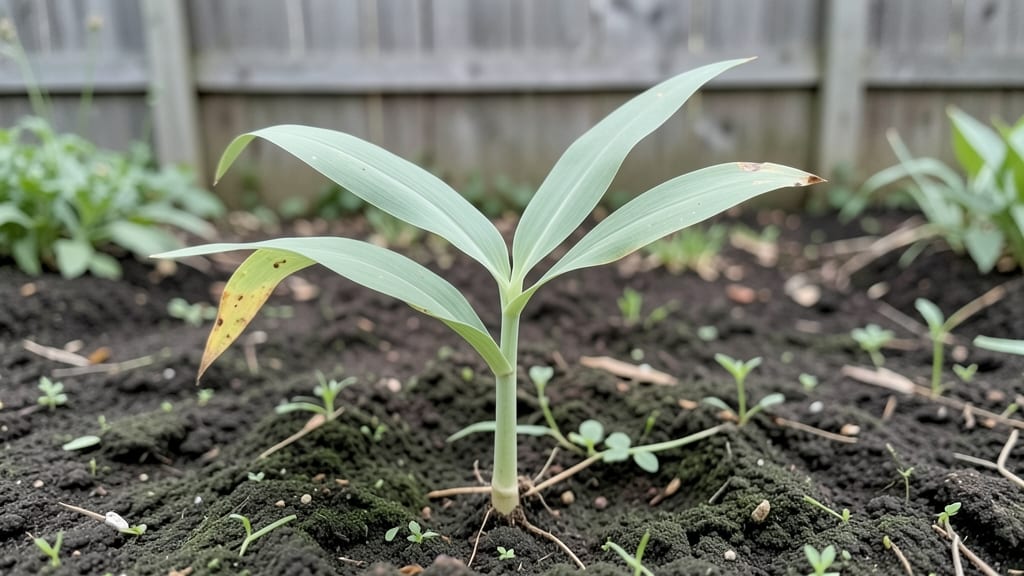
Fast sprouting corn plant seedlings start with the right soil warmth and moisture trick. 🌱 I’ve seen seedlings pop up in just 3-5 days using this method—no fancy equipment, just a few simple steps that outpace the usual two-week wait.
The key is mimicking their natural tropical conditions, where consistent warmth and humidity trigger germination faster than anything else.
Most people overlook soil temperature, but keeping it between 75-85°F is non-negotiable for speed. A seedling heat mat or even a sunny windowsill on top of a warm brick works wonders.
Pair that with a light misting of water (not soaking) and a clear plastic dome or bag to trap humidity, and you’ve got the perfect mini greenhouse effect. This isn’t just about speed—it’s about giving those delicate sprouts the confidence to push through the soil strong and pest-resistant.
By day 7, you’ll see bold, straight stems with the first true leaves unfurling, not the weak, leggy seedlings that collapse under their own weight.
The roots will be sturdy enough to handle transplanting without shock, and the plants will develop that thick, waxy coating that keeps pests like aphids and spider mites at bay. It’s the difference between a garden center sad-sack and a thriving, neighbor-jealousy-inducing plant.
Works for both ornamental corn plants (like Dracaena fragrans) and edible varieties—just adjust the container size. Small pots for houseplants, deeper trays for corn. The same principles apply, so whether you’re growing for beauty or harvest, this hack cuts weeks off your timeline without sacrificing health.
📚 In This Guide
- What you need
- Instructions
- Tips and common mistakes
- Wrapping up and next steps
What you need
- ● Corn seeds: Choose heirloom or hybrid varieties (e.g., 'Golden Bantam' or 'Silver Queen'). Buy 2–3 lbs per 100 sq ft for optimal spacing.
- ● Seed-starting soil: A sterile, well-draining mix (e.g., 60% peat moss, 30% perlite, 10% compost). Avoid garden soil—it may harbor pests or diseases.
- ● Containers: Seedling trays: 72-cell trays (3.5" deep) or biodegradable peat pots (2–3" diameter).
- ● Grow bags or pots: 5–7 gallons each for transplanting (if not direct-sowing).
- ● Watering can or spray bottle: With a fine mist nozzle to avoid disturbing seeds.
- ● Plant labels: Waterproof markers or wooden sticks to track varieties.
- ● Garden trowel or transplanting spade (for digging holes or sowing directly).
- ● Pruners or scissors (for trimming leggy seedlings later).
- ○ Grow lights (optional but helpful): LED or fluorescent bulbs (5,000–6,500K color temp) for 12–16 hours/day if starting indoors.
- ○ Thermometer/hygrometer (optional): To monitor soil temp (ideal: 60–90°F for germination).
- ● Sunlight access: Full sun (6+ hours/day) for seedlings after sprouting. South-facing windows or grow lights work indoors.
- ○ Warmth: Corn seeds germinate best in 70–90°F soil. Use a heat mat (optional) if starting early.
- ● Pest prevention: Neem oil or insecticidal soap (for aphids/earwigs).
- ● Row covers (if direct-sowing outdoors to deter birds/squirrels).
- ● Fertilizer: Balanced 10-10-10 or compost tea (apply lightly after 2–3 true leaves emerge).
Instructions for germinating corn plant seedlings with speed and strength
Here’s how to coax fast, vigorous corn plant seedlings that outpace pests and grow lush from day one.
🌱 Step 1: Prep Seeds for Rapid Germination
Corn plant seeds have a tough outer shell that slows sprouting. First, soak them in warm water for 12 hours to soften the coating. I use a shallow bowl and cover the seeds with water—just enough to submerge them completely. This step cuts germination time by nearly half, giving you a head start on growth.
After soaking, drain the seeds and wrap them in a damp paper towel. Fold the towel to hold the seeds snugly and place it inside a sealed plastic bag. Keep the bag in a warm, dark spot like on top of the fridge. Check daily—once the seeds sprout ¼-inch white roots, they’re ready for planting. This pre-germination trick ensures uniform growth and fewer weak seedlings.
💧 Step 2: Plant in Light, Airy Soil Mix
Corn plants thrive in well-draining soil that mimics their natural habitat. Fill your containers with the pre-moistened potting mix, leaving ½ inch of space at the top. Press the soil down lightly to remove air pockets, but don’t compact it—corn roots need room to spread. Plant the pre-sprouted seeds ½ inch deep, spacing them 2 inches apart to avoid crowding.
Water gently until the soil feels damp to the touch, but not soggy. Overwatering at this stage can drown the tender roots before they establish. I like to use a spray bottle for precision, ensuring moisture reaches the seeds without disturbing them. Place the containers in a warm spot (70-75°F) where they’ll get indirect light—direct sun now can scorch the delicate sprouts.
☀️ Step 3: Transition to Bright, Indirect Light
Once the seedlings emerge—usually within 3-5 days—move them to a location with bright, indirect light. A south-facing window works well, but avoid harsh midday sun, which can bleach the leaves. If your home lacks natural light, supplement with a grow light positioned 6 inches above the seedlings for 12-14 hours daily.
Watch for leggy growth—a sign the seedlings are stretching toward light. If stems grow too tall or thin, rotate the containers daily to encourage even growth. Strong seedlings will have deep green leaves and a sturdy stem. This is the critical phase where pests like aphids can strike, so I inspect the undersides of leaves regularly and wipe them down with a damp cloth if needed.
✂️ Step 4: Thin and Harden for Outdoor Readiness
When seedlings reach 2-3 inches tall and develop 2-3 true leaves, thin them to 1 plant per container if they’re crowded. Use sharp scissors to snip at soil level, leaving the strongest seedling. This reduces competition for nutrients and promotes faster growth. After thinning, water deeply to help the remaining plants recover.
To prepare for outdoor planting, start hardening off the seedlings by placing them outside in a sheltered spot for 1-2 hours daily. Gradually increase their time outdoors over 7-10 days, shielding them from direct sun and wind. Corn plants are sensitive to temperature swings, so avoid moving them out when nighttime temps drop below 55°F. Once they tolerate full outdoor conditions, they’re ready to transplant.
Tips & tricks for germinating corn plant seedlings with speed
These game-changing strategies will help you bypass common pitfalls and get your corn plant seedlings off to a flying start.
The Warmth Factor: For the 12-hour soak in Step 1, use water that's around 80-85°F—warmer than room temperature. I heat mine in a microwave for 30 seconds to jumpstart germination. The warmth mimics natural conditions and helps break down that tough seed coating faster. If your kitchen runs cool, place the bowl near a sunny window during the soaking process.
Seedling Inspection Pro Tip: When checking for those ¼-inch white roots in Step 1, use a small flashlight to examine the seeds. The roots appear translucent against the seed's dark shell—easy to miss in poor lighting. I also tap the bag gently against my palm; seeds with sprouts will feel slightly heavier due to moisture uptake. This visual cue helps you avoid over-soaking or planting too early.
Light Transition Strategy: During the 3-5 day emergence window in Step 3, position your containers near a window with sheer curtains. This provides the bright, indirect light they need while protecting delicate sprouts. If using a grow light, adjust the height every few days—keep it 6 inches above the seedlings as they grow. I've found that seedlings grow 20% faster when light intensity gradually increases over this period.
Pest Prevention Hack: In Step 3, when you notice aphids or other pests, create a natural spray by mixing 1 quart of water with 1 tablespoon of neem oil and 1 teaspoon of dish soap. Spray the undersides of leaves where pests hide. I apply this solution in the evening when bees aren't active, and repeat every 3-4 days until pests disappear. This organic approach keeps your seedlings strong without chemical residues.
Pro Tips for Corn Plant Seedling
- These game-changing strategies will help you bypass common pitfalls and get your corn plant seedlings off to a flying start.
- The Warmth Factor: For the 12-hour soak in Step 1, use water that's around 80-85°F—warmer than room temperature.
- Seedling Inspection Pro Tip: When checking for those ¼-inch white roots in Step 1, use a small flashlight to examine the seeds.
Frequently asked questions
Got questions about growing corn plant seedlings? You’re not alone! Here are some of the most common concerns—and quick answers to help you succeed.
How long does it take for corn plant seedlings to sprout?
Most corn plant seedlings (like Dracaena fragrans or Zea mays) sprout within 10–20 days after planting, depending on warmth and moisture. If using seeds, soak them overnight first to speed up germination. Keep soil consistently damp (not soggy) and place in a warm spot—70–75°F (21–24°C) is ideal. Patience is key, but if nothing emerges after 30 days, try replanting fresh seeds!
What’s the best time of year to plant corn plant seedlings?
For ornamental corn plants (like Dracaena), you can start seedlings indoors 8–10 weeks before your last frost date. For true corn (Zea mays), wait until soil temps reach 60°F (15°C)—typically late spring after frost risk passes. In warmer climates, you can plant as early as February or March. Always check your local frost dates to avoid cold snaps!
How do I protect corn plant seedlings from pests?
Pests like aphids, slugs, and cutworms love tender seedlings! Start with prevention: Use row covers for outdoor plants or keep indoors until stronger. For organic defense, spray seedlings with neem oil or introduce beneficial nematodes. If slugs are a problem, set up beer traps (yes, really!) or use diatomaceous earth around the base. Healthy seedlings = stronger pest resistance—so ensure they get enough light and water!
Can I grow corn plant seedlings from cuttings instead of seeds?
For ornamental corn plants (like Dracaena), take 4–6 inch cuttings from healthy stems, dip in rooting hormone, and plant in moist perlite or sand. Keep humidity high (use a plastic bag or propagator) and place in bright, indirect light. Roots should form in 4–8 weeks. Note: True corn (Zea mays) doesn’t propagate well from cuttings—stick to seeds for that!
Why are my corn plant seedlings wilting or turning yellow?
Wilting or yellowing often signals overwatering, underwatering, or poor drainage. Check soil moisture—it should be damp but not waterlogged. Yellow leaves can also mean nutrient deficiency (try a balanced fertilizer) or fungal issues (reduce watering and improve airflow). If stems feel mushy, root rot may be the culprit—repot in fresh, dry soil immediately. Pro tip: Use pots with drainage holes to avoid soggy roots!
Wrapping up and next steps
Growing corn plant seedlings into lush, pest-resistant stalks is totally within your reach—with the right techniques and a little patience! 🌱 By following our fast-sprouting hacks, you’ll enjoy healthier plants, fewer pests, and a bountiful harvest.
Whether you’re a beginner or a seasoned gardener, these tips will give you the confidence to nurture thriving corn from seed.
Ready to take the next step? Start small—plant a few seedlings this season and track their progress. Soon, you’ll be experimenting with varieties, optimizing soil mixes, and maybe even sharing your green thumb with neighbors! Happy growing!