
Pests
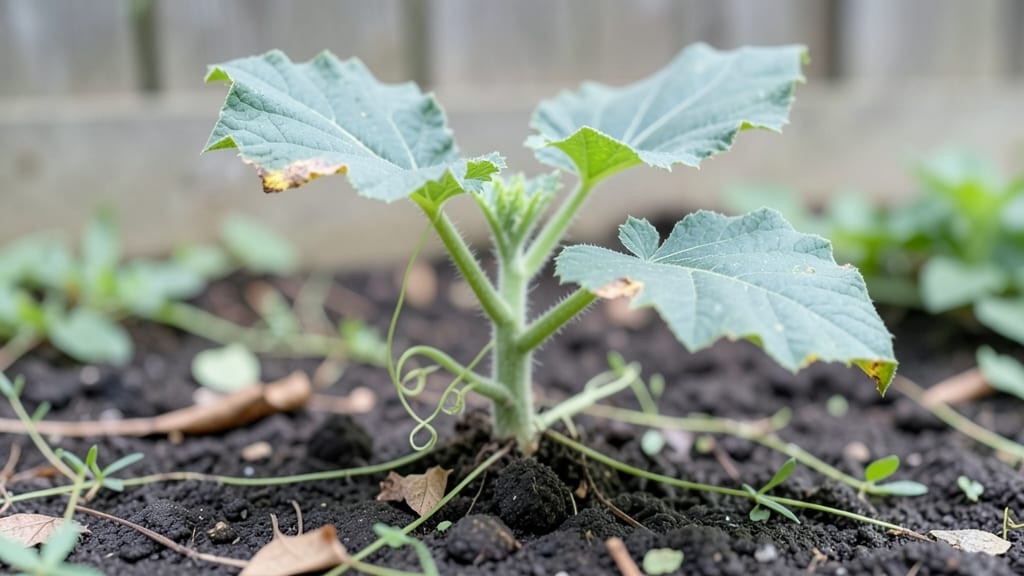
Cucumber seedling leaves turning yellow or spotted? You’re not alone—this is the fastest way to diagnose and fix the problem before your plants struggle. I’ve seen cucumbers go from sad and spotted to thriving vines in just 3-5 days with the right approach, and it’s easier than you’d think.
The usual culprits are overwatering (roots can’t breathe), aphids hiding on the undersides, or fungal spores from damp soil. Start by checking the leaves for tiny bugs or slimy trails—those are your first clues.
A quick spray of soapy water or neem oil can clear out pests, while adjusting watering to let the top inch of soil dry between sessions works wonders.
Within a week, you’ll see fresh green leaves pushing out, and the plants will start putting energy into vines instead of fighting damage. The key is acting fast—yellowing leaves won’t fix themselves, but a little attention turns them around.
This works for both garden beds and containers, and the same fixes apply whether you’re dealing with spots, wilting, or stunted growth. Let’s get those seedlings back on track before they miss their growing window.
Root Causes Of Weak Seedling Leaves
Understanding why your cucumber seedling leaves turn yellow, wilt, or develop holes is the first step to saving your plants. These issues usually stem from environmental stress, biological threats, or cultural mistakes—often working together.
Below, we break down the most common culprits and why they happen, so you can diagnose and fix the problem fast.
Why it happens: Cucumber seedlings thrive in moist but well-drained soil. When roots sit in soggy conditions, they suffocate, starving leaves of oxygen and nutrients. This triggers chlorosis (yellowing) as the plant struggles to transport chlorophyll.
- Scientific breakdown:
- Root rot (from Pythium or Fusarium fungi) blocks water uptake, causing leaves to wilt or turn yellow.
- Anaerobic soil (no oxygen) forces roots to "drown," releasing toxins that damage foliage.
- Nutrient leaching occurs when excess water washes away essential minerals like nitrogen and magnesium.
🔍 Actionable clue: Check soil moisture—if it’s muddy or smells sour, you’re overwatering.
Why it happens: While too much water harms seedlings, too little causes wilting, crispy edges, and yellowing as leaves lose turgor pressure. Heat stress (especially in direct sun without shade) accelerates moisture loss, leading to sunburn or leaf scorch.
- Scientific breakdown:
- Transpiration outpaces absorption—roots can’t pull up enough water to replace what’s lost through leaves.
- Cell membrane damage occurs when leaves dry out, disrupting chlorophyll production.
- Oxidative stress from UV rays breaks down pigments, turning leaves yellow or brown.
🔍 Actionable clue: Feel the soil—top 1 inch dry? It’s time to water. Use mulch to retain moisture and protect roots.
Why it happens: Cucumber seedlings are hungry and need a balanced diet. Deficiencies in nitrogen, magnesium, or iron cause yellowing, often starting in older leaves (nitrogen) or between veins (magnesium/iron).
| Nutrient | Symptom | Cause |
|---|---|---|
| Nitrogen | Pale yellow leaves (whole leaf) | Poor soil or overwatering leaches it away. |
| Magnesium | Yellow between veins (older leaves) | Compacted soil or high pH locks it out. |
| Iron | Yellow leaves with green veins | Alkaline soil (pH >7) or overwatering. |
🔍 Actionable clue: Test your soil’s pH (ideal: 6.0–6.8). Amend with compost, worm castings, or chelated iron if deficient.
Why it happens: Tiny pests like aphids, spider mites, or cucumber beetles sap leaves, causing:
- Yellow stippling (tiny white/yellow dots from mites).
- Holey leaves (beetles chew edges).
- Sticky residue (aphid honeydew attracts mold).
- Scientific breakdown:
- Aphids inject toxins that disrupt photosynthesis, turning leaves yellow.
- Spider mites pierce cells, causing chlorophyll breakdown.
- Cucumber beetles transmit bacterial wilt, killing plants quickly.
🔍 Actionable clue: Inspect undersides of leaves for pests. Use neem oil or insecticidal soap for mild infestations.
Why it happens: Damp conditions (from overwatering or poor airflow) invite powdery mildew, downy mildew, or bacterial leaf spot, which discolor, spot, or rot leaves.
- Powdery mildew (white fuzzy patches) blocks light, causing yellowing underneath.
- Downy mildew (yellow spots with gray fuzz) thrives in humid, shady conditions.
- Bacterial leaf spot (water-soaked brown spots) spreads via splashing water.
🔍 Actionable clue: Remove infected leaves immediately. Improve airflow with spacing or fans and avoid overhead watering.
Why it happens: Moving seedlings (even gently) can sever roots, slowing nutrient/water uptake. Root-bound seedlings or rough handling cause sudden wilting or yellowing.
- Scientific breakdown:
- Root pruning triggers osmotic stress, as roots struggle to re-establish.
- Trauma releases ethylene gas, accelerating leaf senescence (aging).
🔍 Actionable clue: Hardening off seedlings (acclimating to outdoor conditions) reduces shock. Use root stimulator when transplanting.
Why it happens: Salt buildup (from tap water or fertilizers), pesticide residue, or heavy metals (like copper) can burn roots and leaves, causing yellowing or browning.
- Salt stress disrupts osmotic balance, making it hard for roots to absorb water.
- Chemical burns (e.g., from vinegar-based sprays) destroy cell membranes.
🔍 Actionable clue: Use rainwater or distilled water if tap water is salty. Test soil for heavy metals if using contaminated compost.
Quick Fixes for Weak Seedling Leaves
When your cucumber seedlings show signs of distress—whether it’s yellowing, wilting, or pest damage—acting fast can save your plants. Below are practical, step-by-step solutions tailored to common issues, along with prevention tips to keep your seedlings thriving.
Yellowing leaves are often a cry for help from your seedlings. Here’s how to diagnose and fix it:
💧 Overwatering or Poor Drainage
If the soil feels soggy or leaves turn yellow with brown edges, your seedlings may be drowning. How to Fix It:
- 🔥 Stop watering immediately and let the top 1–2 inches of soil dry out.
- 🍳 Repot if needed—if roots are rotting, transfer the seedling to fresh, well-draining potting mix.
- 👨🍳 Use containers with drainage holes to prevent waterlogging.
💡 Prevention Tip:
- Water only when the topsoil feels dry to the touch.
- Avoid soggy soil by mixing in perlite or sand for better aeration.
🍽️ Nutrient Deficiency (Nitrogen, Iron, or Magnesium)
Pale yellow leaves (especially on younger leaves) signal nitrogen deficiency, while yellowing between veins suggests iron or magnesium issues. How to Fix It:
- 🥘 Apply a balanced fertilizer (10-10-10) or a nitrogen-rich option like fish emulsion.
- 🔪 For iron deficiency (chlorosis), use chelated iron or spray with an iron supplement.
- 🌡️ Boost magnesium with Epsom salt (1 tbsp per gallon of water, applied as a foliar spray).
🎯 Prevention Tip:
- Test soil pH (ideal: 6.0–6.8 for cucumbers).
- Use compost or worm castings for slow-release nutrients.
Pests like aphids, spider mites, and cucumber beetles can strip leaves and stunt growth. Here’s how to evict them:
🕷️ Spider Mites or Aphids (Sticky Leaves, Tiny Bugs)
How to Fix It:
- 🔥 Blast them off with a strong spray of water (early morning works best).
- 🍳 Use insecticidal soap (mix 2 tbsp soap + 1 quart water) and spray under leaves.
- 👨🍳 Introduce beneficial insects like ladybugs or lacewings for natural control.
✨ Prevention Tip:
- 🌿 Plant companion crops like marigolds or basil to repel pests.
- 🌡️ Check leaves daily—early detection = easier removal.
🐞 Cucumber Beetles (Chewed Leaves, Bacterial Wilt Risk)
These striped pests transmit deadly diseases.
Act fast! How to Fix It: - 🔪 Handpick adults and drop them in soapy water. - 🥘 Cover seedlings with floating row covers to block beetles. - 🔪 Use neem oil (1 tsp per quart of water) as a repellent and killer.
🎯 Prevention Tip:
- 🌱 Rotate crops—don’t plant cucumbers in the same spot yearly.
- 🌿 Plant trap crops like radishes to lure beetles away.
If leaves look limp or crispy, your seedlings may be thirsty or overheating.
💦 Underwatering
How to Fix It:
- 🍳 Water deeply until it drains from the bottom.
- 👨🍳 Move to a shadier spot if wilting happens in hot afternoons.
💡 Prevention Tip:
- 🌡️ Mulch around seedlings to retain moisture.
- 🌱 Water in the morning to reduce evaporation.
🔥 Heat Stress (Crispy Edges, Scorched Look)
How to Fix It:
- 🔥 Provide afternoon shade with a light cloth or shade cloth.
- 🥘 Increase humidity by misting leaves (early morning only).
- 🌿 Move seedlings to a cooler, breezy location.
✨ Prevention Tip:
- 🌱 Start seedlings indoors if your climate is too hot.
- 💧 Use self-watering pots for consistent moisture.
| Problem | Quick Fix | Prevention Tip |
|---|---|---|
| Yellow leaves | Fertilize, check drainage | Test soil pH, use compost |
| Pest infestation | Soap spray, neem oil, handpick | Companion planting, row covers |
| Wilting | Deep water, shade from heat | Mulch, morning watering |
| Stunted growth | Repot if root-bound, fertilize | Rotate crops, avoid overcrowding |
🌟 Pro Tip: Keep a seedling care journal—note watering, pests, and growth patterns to spot issues before they worsen!
By addressing problems early and methodically, your cucumber seedlings will grow strong and productive. 🚀🌱
Frequently asked questions
Why are my cucumber seedling leaves turning yellow?
Yellowing leaves usually signal overwatering, nutrient deficiencies (like nitrogen or magnesium), or root rot from soggy soil. Check soil moisture—it should be damp but not soggy. If roots look mushy, repot in fresh, well-draining mix immediately.
How do I tell if my seedlings have pests or a disease?
Pests like aphids leave sticky residue and tiny bugs, while spider mites cause yellow stippling. Diseases (e.g., powdery mildew) show as white fuzz or water-soaked spots. Inspect leaf undersides—pests hide there! Use neem oil for pests or remove infected leaves for disease.
Can I save my seedlings if the leaves are already wilted?
Yes! Move seedlings to shade and water deeply (but avoid soggy soil). For wilting from heat, mist leaves early in the day. If roots are healthy, new growth should appear in 3-5 days. Severe wilting from root rot may require repotting—trim damaged roots before replanting.
What’s the best way to prevent future seedling problems?
Use well-draining soil with perlite, water only when the top 1 inch feels dry, and space seedlings for airflow. Add compost for nutrients and companion plants like marigolds to deter pests. Test soil pH (6.0–6.8) to avoid deficiencies.
Are chemical fertilizers safe for cucumber seedlings?
Use organic options like fish emulsion or compost tea first—they’re gentler. If using synthetic fertilizers, dilute to half-strength to avoid burning tender roots. Always water after applying to prevent salt buildup, which harms seedlings.