
Planting
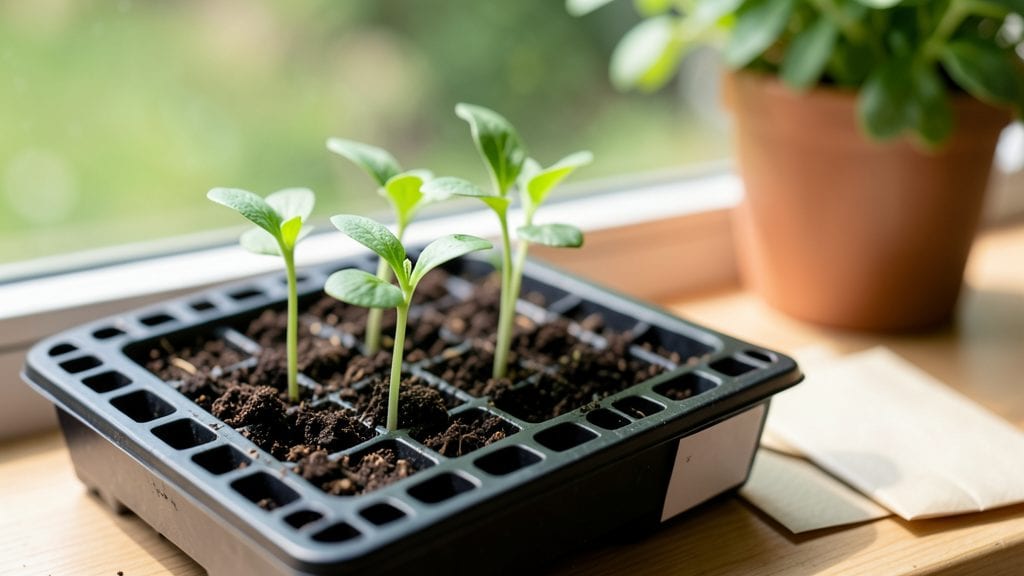
Sowing seeds is essentially the first step in growing plants from scratch, where you introduce seeds to the right conditions for life to begin. 🌱 The magic happens when seeds absorb moisture, activating enzymes that break down stored nutrients to fuel root and shoot growth.
Temperature plays a huge role—most seeds thrive between 60°F and 85°F, but some tropical varieties need even warmer soil. Beginners often overlook how seed size affects depth: tiny seeds like basil need just 1/4 inch of coverage, while large beans can handle 1 inch.
This process isn't just about throwing seeds in dirt—it's about creating the perfect microclimate. Proper spacing prevents competition for nutrients, while consistent moisture keeps seeds from drying out before they sprout.
I always recommend starting with fast germinators like radishes (5-10 days) to build confidence before tackling slower varieties like okra (15-20 days). The right tools—like a fine mist spray bottle—make all the difference in maintaining those critical conditions.
💡 In This Article
- How Seed Germination Works During Sowing
- Essential Tools and Techniques for First-Time Seed Sowers
How seed germination works during sowing
Here's what's actually happening when you plant those tiny seeds: germination begins with imbibition, where the seed absorbs water through its outer coat, swelling up to 1.5 times its original size.
This triggers a cascade of biochemical reactions, particularly the activation of amylase enzymes that break down starches into simple sugars for energy.
The radicle (embryonic root) emerges first, typically within 24-48 hours for fast germinators like radishes, while the shoot follows once the seedling has established a root system to anchor itself.
The temperature range of 60-85°F is critical because enzymes work most efficiently within this window. At 50°F, germination slows dramatically, while above 90°F, seeds may fail to sprout or produce weak seedlings.
Moisture levels must stay consistently high—around 50-70% soil moisture—but not waterlogged, as excess oxygen deprivation can suffocate developing roots. The texture of the growing medium matters too: fine seed-starting mixes provide better moisture retention than coarse garden soil, which is why many gardeners use peat-based mixes for delicate seedlings.
What most people don't realize is how seed size affects planting depth. Tiny carrot seeds need only 1/8 inch of coverage, while large okra seeds can handle 1 inch of soil. This rule of thumb applies: plant seeds 2-3 times their diameter deep to balance light exposure with moisture protection.
Fast germinators like lettuce (7-14 days) give immediate feedback, while slow germinators like okra (15-20 days) require patience and consistent conditions. The key factor is maintaining that delicate balance between hydration and aeration during this vulnerable stage.
Light plays a surprising role too—some seeds like tomatoes actually germinate better in darkness initially, while others like spinach need light to prevent leggy growth. The shoot emerges when the seedling has built up enough energy reserves, typically after 3-5 days of root development.
This is why you'll often see the first green leaves appear only after the roots have established a network to support them. The entire process relies on this precise sequence of biological events working in harmony.
Consider these key differences between fast and slow germinators:
- Fast germinators: Radishes (5-10 days) and lettuce (7-14 days) sprout quickly because their seeds contain high-energy reserves that activate rapidly. These work well for beginners because you see immediate results.
- Slow germinators: Okra (15-20 days) and peas (10-14 days) require more time because their seeds have thicker coats that need to soften first, or they're adapted to warmer soil temperatures.
- Temperature sensitivity: Cool-season crops like broccoli (60-70°F) germinate best in cooler conditions, while tropical plants like beans (75-85°F) need warmth to activate their enzymes.
The science behind this involves understanding that each seed contains everything needed for life—just in a dormant state.
When you provide the right conditions, you're essentially helping it wake up from its biological slumber. 🌱 The first signs of life are always thrilling to witness, especially when you've created the perfect environment for them to thrive.