
Lawn
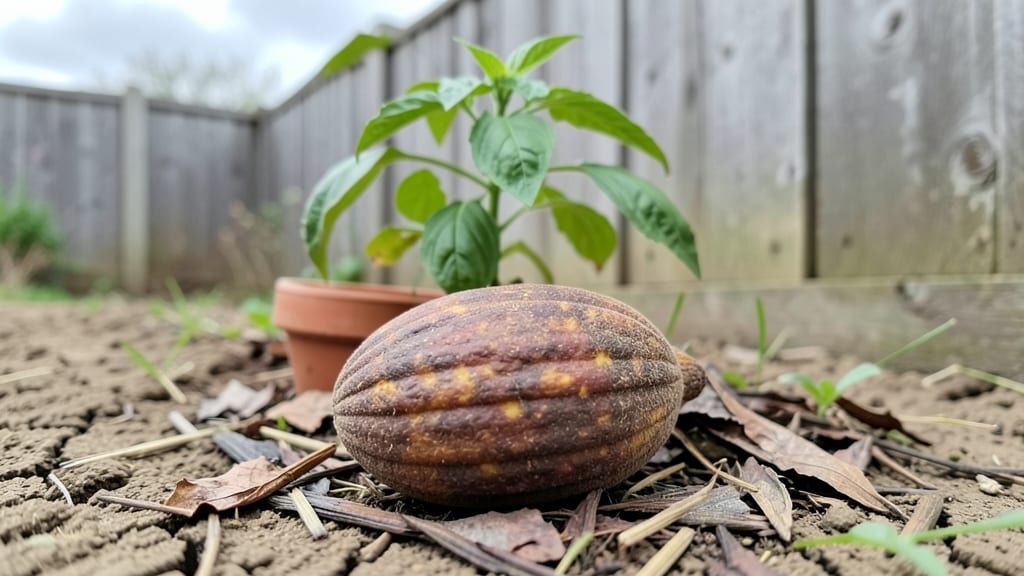
Growing a mango tree from a dried seed feels like unlocking a tiny piece of paradise. 🌱 I’ve nursed several from grocery store scraps into sturdy saplings, and the process is simpler than you’d think—though it takes patience, especially if you’re not in a warm climate.
The key starts with the seed itself: dried seeds (like those from store-bought mangoes) need a little extra coaxing to break their dormancy, but with the right prep, they’ll sprout just like fresh ones.
The magic happens in a warm, humid environment—think sunny windowsills or a greenhouse where temperatures stay above 50°F. You’ll need a small pot, well-draining soil mix, and a spray bottle to keep things moist without drowning the seed.
Most seeds germinate within 2-4 weeks, but some stubborn ones take months. The first leaves are delicate, so avoid moving the pot once it starts growing—transplant shock is the enemy of young mango trees.
By the time your seedling hits 6-12 inches tall, you’ll see the unmistakable promise of a tropical tree: glossy leaves and a sturdy trunk. Outdoors in warm zones (like USDA 10-11), it can thrive in the ground; elsewhere, it’ll need container life.
With proper care, you could be harvesting fruit in 5-7 years—though store-bought mangoes will always be sweeter. The real reward? Watching your own tree grow, year after year.
Fair warning: Mango trees are high-maintenance in cooler climates. If you live north of Zone 9, treat it as a houseplant or move it indoors during winter.
But if you’re up for the challenge, there’s nothing like the thrill of growing something this exotic from scratch. Ready to give it a try?
📚 In This Guide
- What you need
- Instructions
- Tips and common mistakes
- Wrapping up and next steps
What you need
- ● Dried mango seeds (10–20 seeds) – Ensure they’re fully dried and free from mold or damage. Pro tip: 💡 Store them in a cool, dry place until ready to plant!
- ● Well-draining potting mix (5–10 lbs) – A blend of cactus/succulent mix or a 50/50 mix of peat moss and perlite works best.
- ○ Small pots or seed trays (3–4 inches deep) – Use biodegradable pots (optional but eco-friendly!) or plastic nursery pots.
- ● Spray bottle (8–16 oz) – For gentle watering to avoid displacing seeds.
- ● Clear plastic wrap or humidity dome – Helps maintain moisture while seeds germinate.
- ● Grow lights or a sunny windowsill – Mango seeds need bright, indirect light (6–8 hours/day) to sprout.
- ○ Heat mat (optional but helpful) – Keeps soil at 75–85°F to speed up germination.
- ● Fertilizer (balanced 10-10-10 or seaweed extract) – Once seedlings sprout, use a diluted dose every 4–6 weeks.
- ● Humidity tray or pebble tray – Creates a mini greenhouse effect for faster germination.
- ● Label markers & tags – Keep track of planting dates and seed varieties!
- ● Pruning shears (small, sharp pair) – For future trimming as your tree grows.
- ● Outdoor space (full sun, 6+ months warm climate) – Mango trees thrive in USDA zones 10–11 but can be grown in containers indoors.
Step-by-Step instructions for growing a mango tree from dried seed
Here's how to transform that dried mango pit into a thriving tropical tree—with patience and the right care.
🌱 Step 1: Extract and Prepare the Seed
Start by carefully cracking open the dried mango pit with a nutcracker or hammer. You'll find a single, hard seed inside—this is your future tree. Rinse it thoroughly under running water to remove any remaining fruit flesh, then let it dry completely for 24 hours. I like to place it on a paper towel in a warm, dry spot to speed up the process.
Once dry, gently sand the seed's outer shell with fine-grit sandpaper until it feels slightly rough—this helps water penetrate later. Don’t remove too much; you only want to scratch the surface. This step is crucial because mango seeds have a tough outer coating that slows germination.
💧 Step 2: Soak the Seed to Kickstart Germination
Fill a small glass or jar with lukewarm water and place the prepared seed inside. The water should cover the seed by about 1 inch. Let it soak for 5-7 days, changing the water every 2 days to prevent mold. You’ll know it’s ready when you see a tiny white root—called a radicle—emerging from one end.
I know it seems weird to wait this long, but this soaking mimics the tropical rainforest conditions where mango trees naturally grow. Without it, germination can take months instead of weeks. Keep the jar in a warm spot, like near a sunny window or on top of your fridge.
☀️ Step 3: Plant the Germinated Seed in Soil
Once the radicle appears, it’s time to plant. Fill a 4-inch pot with well-draining potting mix—mango trees hate soggy roots. Make a small hole about 1 inch deep in the center of the pot. Gently place the seed with the radicle facing downward and cover it lightly with soil.
Water the soil until it’s evenly moist but not waterlogged. Place the pot in a bright, indirect light spot, like a shaded windowsill. Mango seeds need warmth (75-85°F) to thrive, so if your home runs cooler, consider using a seedling heat mat. You’ll see the first true leaves—small and round—in about 4-6 weeks.
🌿 Step 4: Care for the Seedling and Transplant Gradually
Once the seedling reaches 6 inches tall and has 4-5 leaves, it’s ready for its first transplant. Choose a 6-inch pot with drainage holes and fill it with fresh potting mix. Water the seedling thoroughly, then carefully lift it from the original pot, keeping the root ball intact. Place it in the new pot and firm the soil gently around the base.
From this point on, keep the soil consistently moist but never soggy. Mango trees love humidity, so mist the leaves occasionally or place the pot on a tray of pebbles filled with water. Move the seedling outdoors to a sheltered, sunny spot for a few hours each day, gradually increasing its time outside over 2 weeks to harden it off.
⏰ Step 5: Move to a Permanent Outdoor Spot
After 3-4 months, when the seedling is 12-18 inches tall and sturdy, it’s time to plant it outdoors in a large container (10+ gallons) or directly in the ground. Mango trees need full sun (6+ hours daily) and well-draining soil. If you’re planting in a pot, use a mix of potting soil and perlite to improve drainage.
Water deeply after transplanting, then reduce watering slightly—mango trees are drought-tolerant once established. Mulch around the base with 2-3 inches of organic mulch to retain moisture and protect the roots. With patience, your mango tree could produce fruit in 5-7 years—though it may take longer for tropical varieties to mature in cooler climates.
Tips & tricks for growing a mango tree from dried seed
Transforming that dried mango pit into a thriving tree takes patience, but these key tips will help you avoid common pitfalls and give your seedling the best start possible.
Seed Preparation: Don't rush the 24-hour drying time in Step 1—this is crucial for preventing mold during the soaking phase. I've seen seeds develop mold when rushed, so place your seed on a paper towel in a warm spot like a sunny windowsill. The key is complete dryness before soaking begins. This step mimics the natural drying process tropical seeds undergo before germination.
Soaking Strategy: The 5-7 day soaking period in Step 2 might seem long, but trust me on this—this mimics tropical rainforest conditions where seeds naturally soak during monsoon seasons. Change the lukewarm water every 2 days to prevent bacterial growth, and keep the jar in a warm spot. If you notice any white fuzz developing, that's mold—discard and start fresh with a new seed. The radicle should appear within this window, but don't be surprised if it takes the full 7 days.
Planting Environment: When planting your germinated seed in Step 3, pay special attention to the 75-85°F temperature range. If your home runs cooler, consider using a seedling heat mat underneath the pot. I've had seeds fail to germinate properly in homes below 70°F—this is why tropical plants need special care in cooler climates. The bright, indirect light requirement is also critical; direct sunlight can scorch delicate seedlings at this stage.
Transplanting Timing: The 6-inch height and 4-5 leaves milestone in Step 4 is your cue for the first transplant, but don't rush it. Wait until you see these specific growth indicators before moving to a larger pot. This timing ensures your seedling has developed a strong enough root system to handle the transition. When hardening off outdoors, start with just a few hours of sheltered sunlight per day, gradually increasing over the 2-week period to prevent shock.
Pro Tips for Dried Mango Seed
- Transforming that dried mango pit into a thriving tree takes patience, but these key tips will help you avoid common pitfalls and give your seedling the best start possible.
- Seed Preparation: Don't rush the 24-hour drying time in Step 1—this is crucial for preventing mold during the soaking phase.
- Soaking Strategy: The 5-7 day soaking period in Step 2 might seem long, but trust me on this—this mimics tropical rainforest conditions where seeds naturally soak during monsoon seasons.
Frequently asked questions
Got questions about growing dried mango seeds?
You’re not alone! Here are some of the most common queries—and their answers—to help you get started with your tropical tree adventure.
Can I grow a mango tree from a dried seed?
Dried mango seeds can germinate, but they may take longer than fresh ones. Soak the seed in warm water for 24–48 hours to soften the hard shell and speed up sprouting. Patience is key—some seeds can take weeks or even months to break dormancy.
How long does it take for a mango seed to sprout?
Germination time varies widely! With proper soaking and warmth (75–85°F), you might see sprouts in 2–6 weeks. However, some seeds take 2–3 months or longer. Keep the soil moist but not soggy, and stay consistent—rewarding progress is worth the wait!
What’s the best climate for growing a mango tree from seed?
Mango trees thrive in tropical or subtropical climates with warm temperatures (above 60°F) and plenty of sunlight. If you live in a cooler zone, grow it in a container and bring it indoors during winter. Young trees are sensitive to frost—protect them until established!
Are there alternatives if my seed doesn’t sprout?
Don’t give up! Try these tips:
- Test viability: Place the seed in a glass of water—if it sinks, it’s likely still alive.
- Scarify the seed: Gently sandpaper the hard shell to help water penetrate.
- Use a heat mat: Warmth (80–90°F) can mimic tropical conditions and encourage germination.
Will my homegrown mango tree produce fruit?
Yes—but it may take 3–5 years (or longer!) for a seed-grown tree to bear fruit. Seedlings often produce small, inferior-quality mangoes compared to grafted varieties. For better yields, consider grafting a high-quality scion onto your seedling later. Patience pays off!
Wrapping up and next steps
Growing a dried mango seed into a thriving tropical tree is a rewarding journey filled with patience and potential! 🌱 Whether you’re drawn to the exotic charm of its blossoms or the sweet promise of future fruit, this guide has given you all the tools to succeed.
Start small—plant that seed today—and watch as your backyard transforms into a slice of paradise.
Ready to take the next step? Research local climate conditions or connect with gardening communities for tips tailored to your area. Happy planting—your tropical oasis awaits! 🌴✨